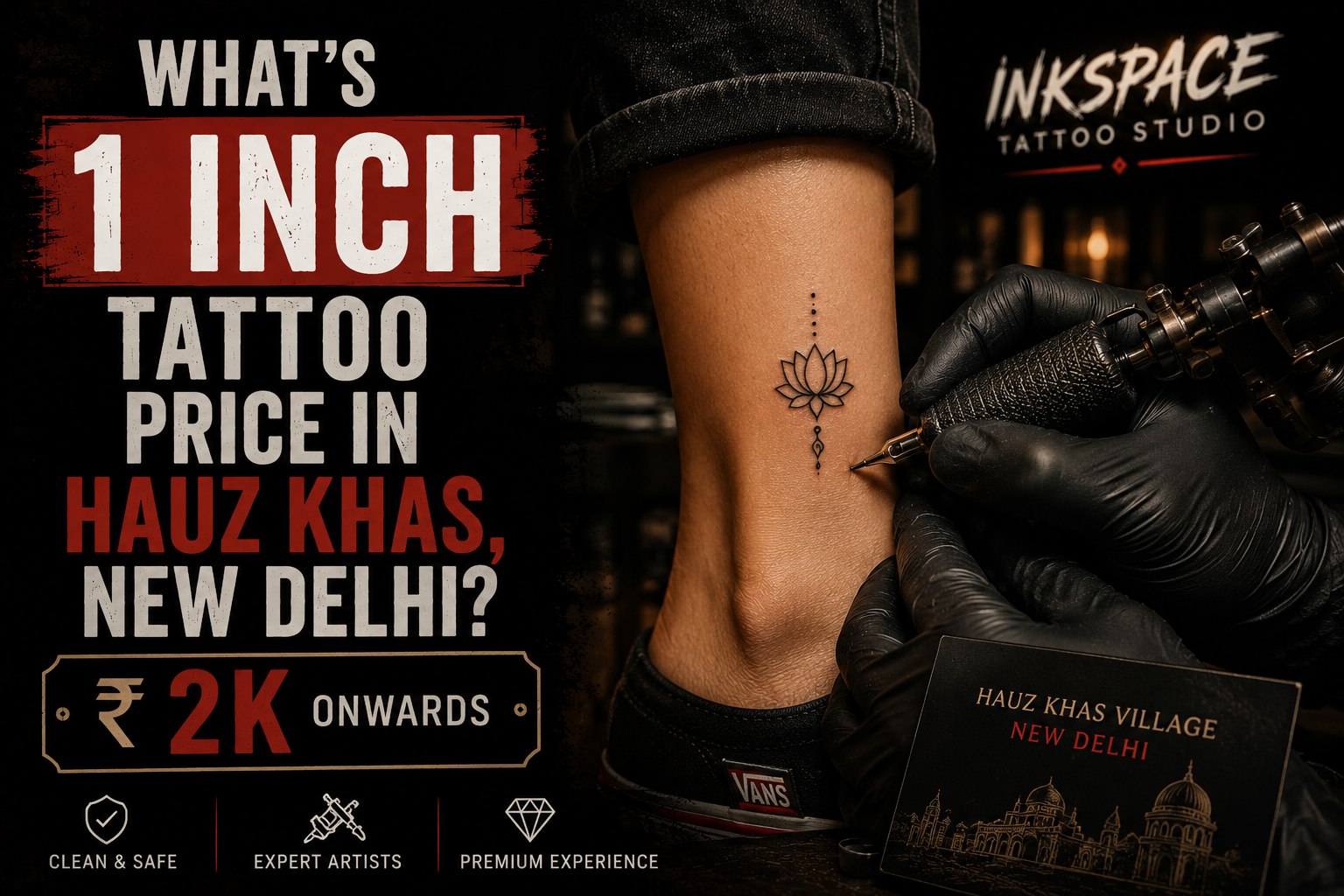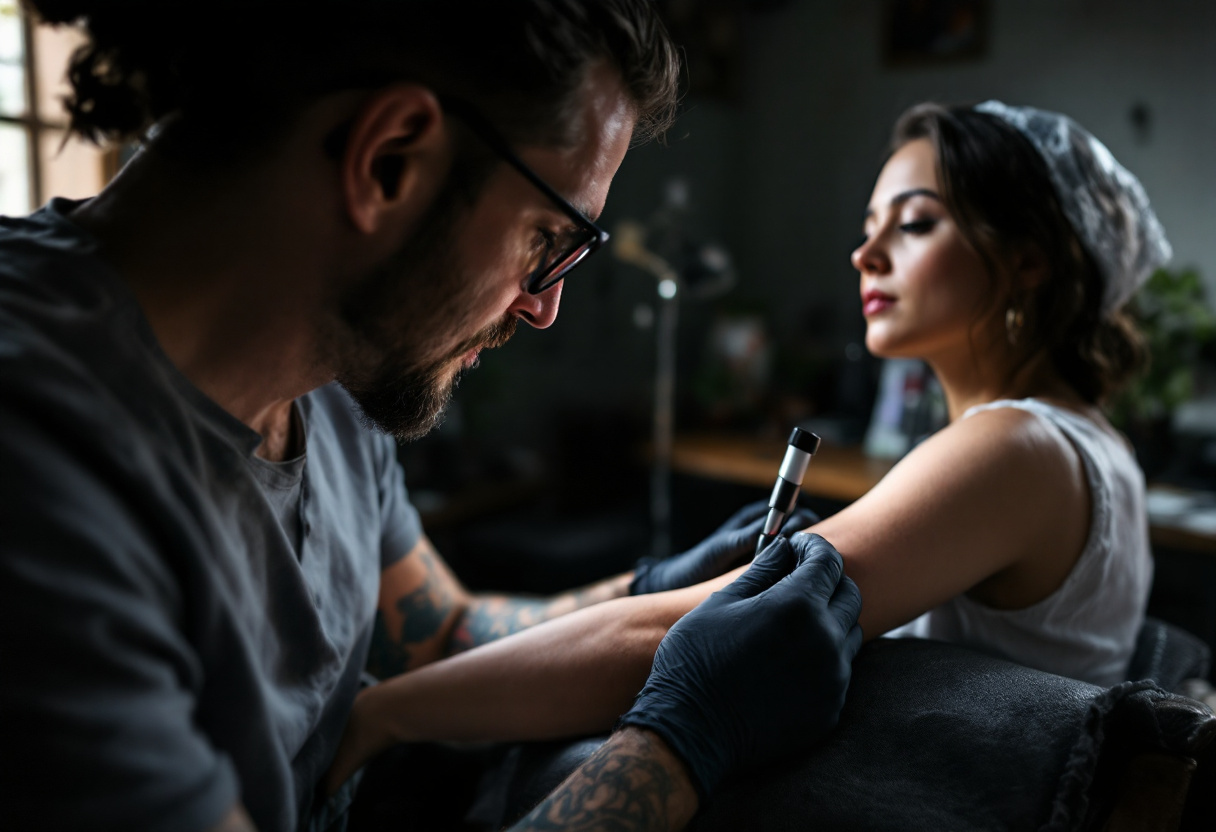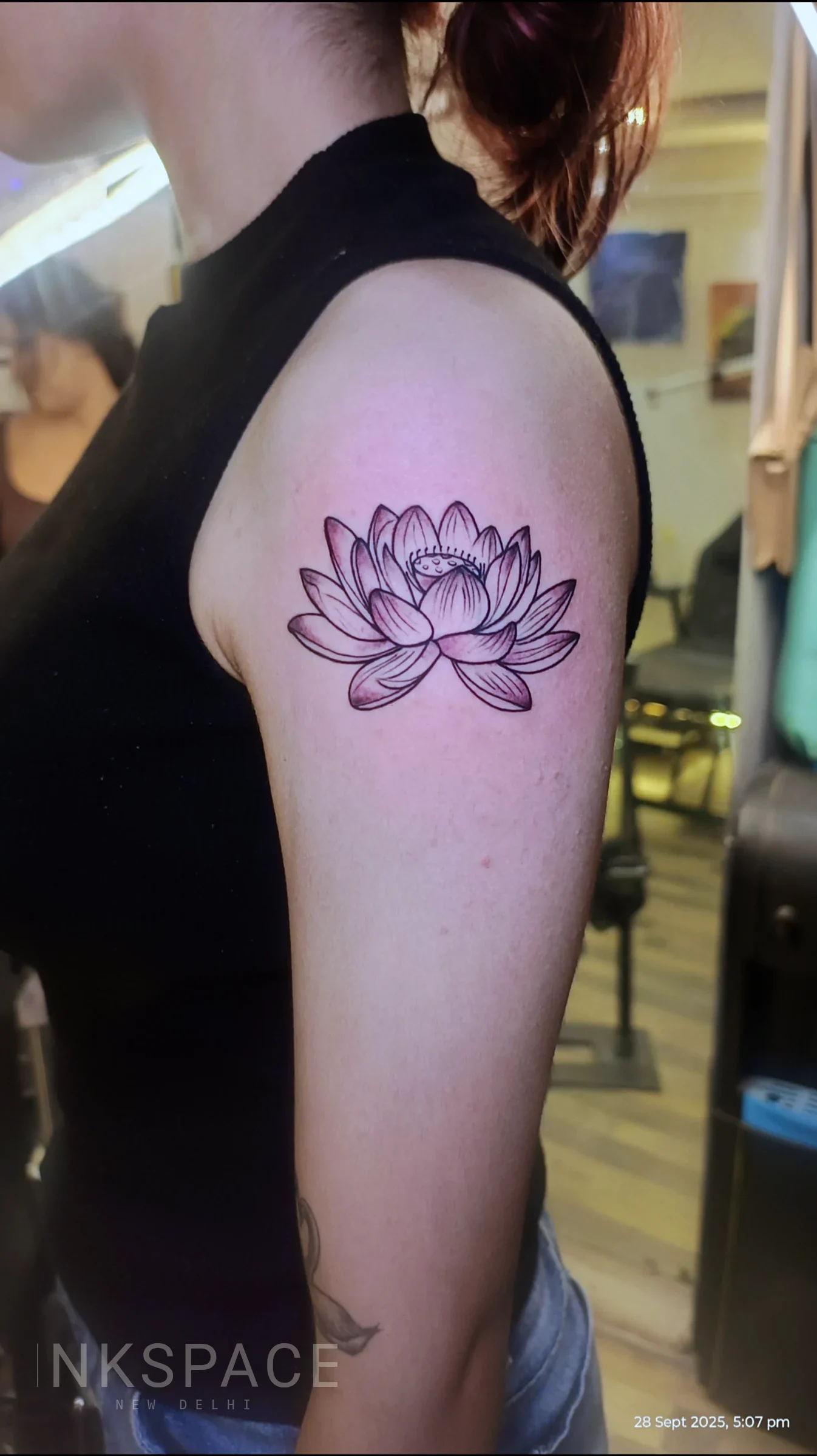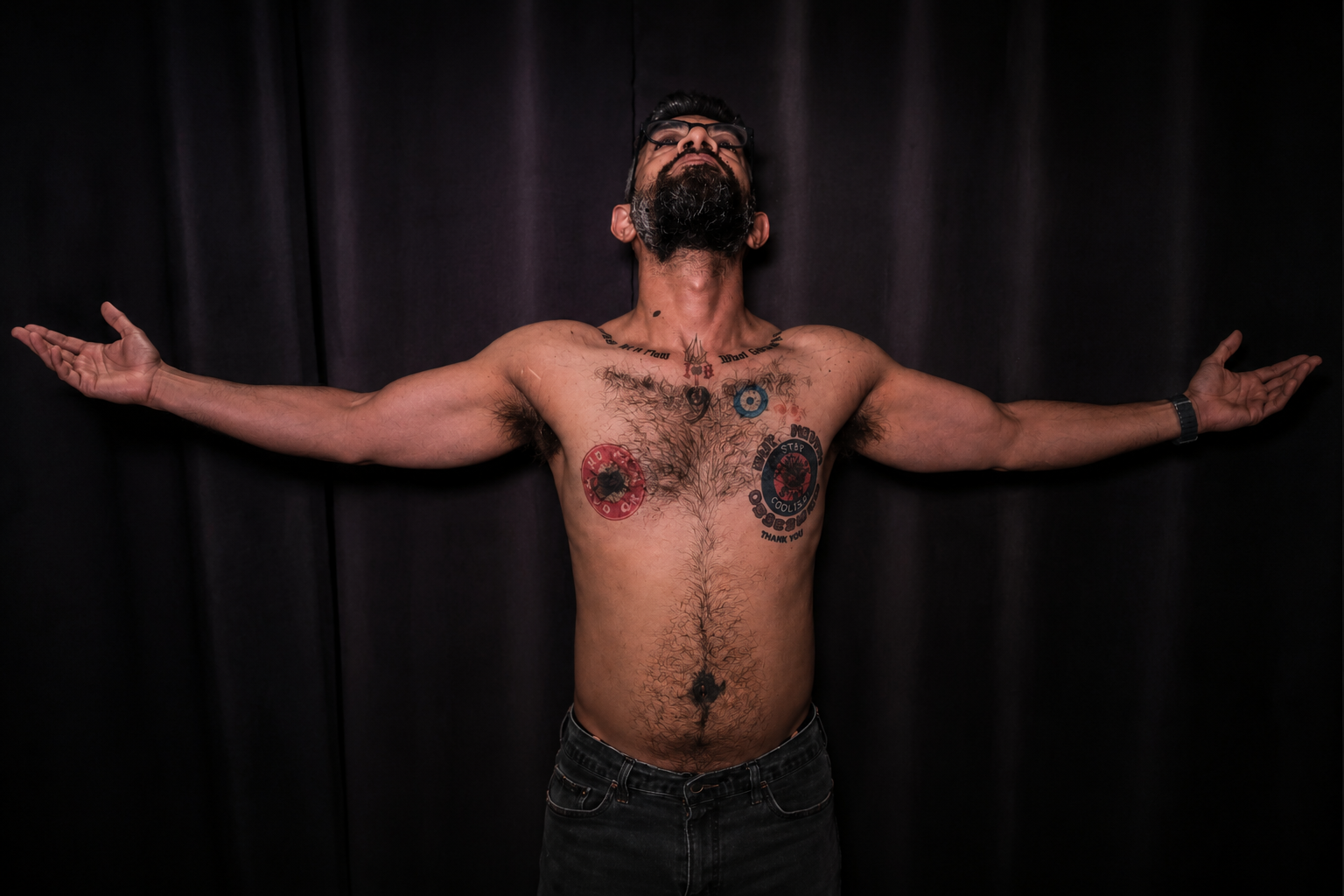
At Inkspace Tattoo Studio, tattoo placement often reveals more than just a personal style choice. It can indicate personality traits and lifestyle preferences. For example, forearm tattoos might suggest a desire for visibility and self-expression, while more discreet placements like behind the ear can show a preference for subtlety. Understanding these psychological aspects helps clients make informed placement decisions.
What does tattoo placement reveal about you?
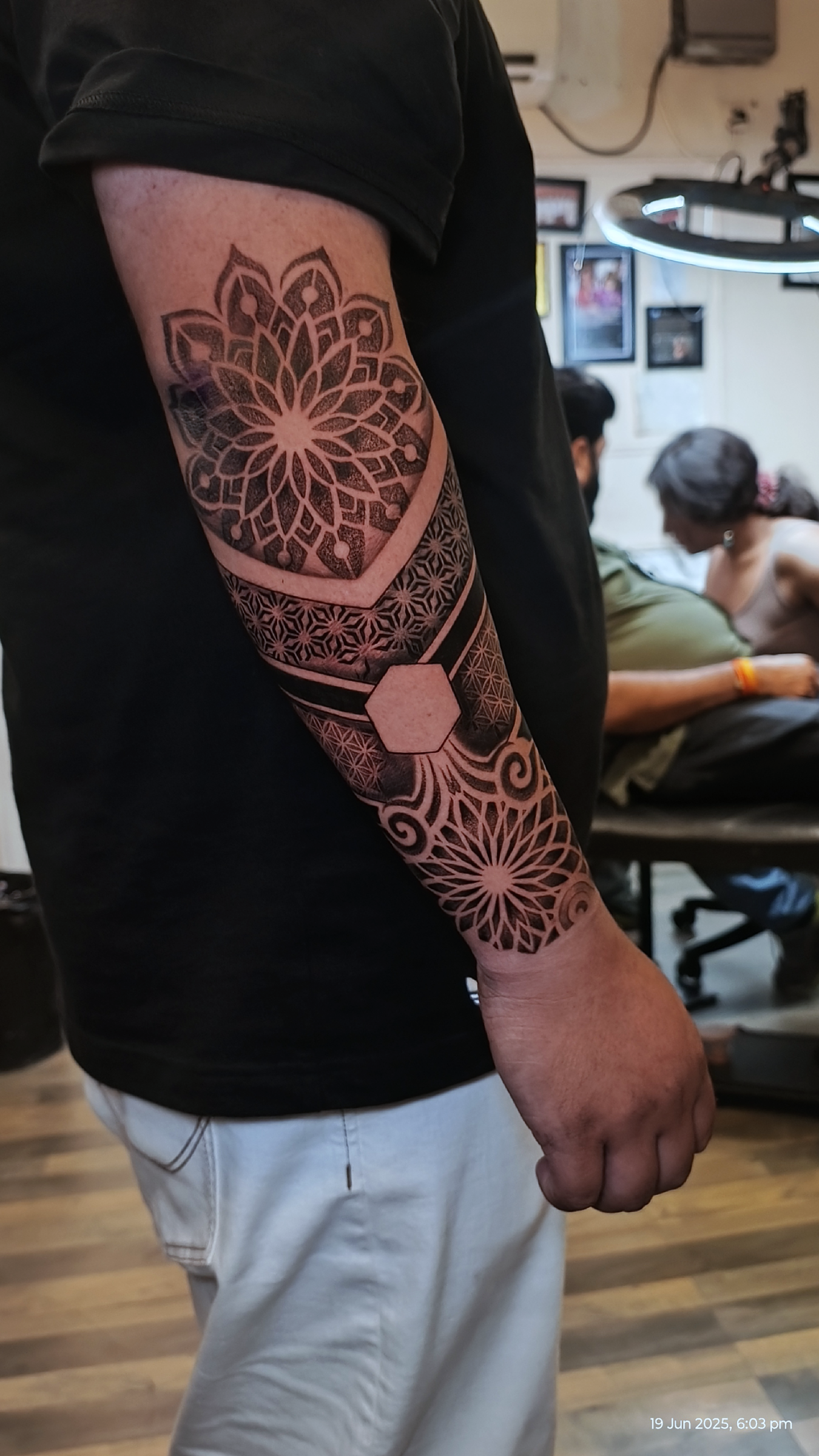
Choosing where to place a tattoo is more than a personal preference. It often reflects deeper personality traits and lifestyle priorities. At Inkspace, we've observed that clients pick placements that align with their daily lives. For instance, professionals might opt for discreet areas like the upper arm or thigh, balancing personal expression with workplace norms. On the other hand, visible spots like hands or necks are chosen by those who embrace their identity openly. This choice can be particularly telling in a city like New Delhi, where cultural and professional expectations vary widely across different sectors.
Understanding these motivations can guide you in selecting a placement that not only suits your style but also resonates with your personal and social identity. For example, someone working in a creative industry in Hauz Khas Village might feel comfortable with a visible tattoo, while someone in a corporate setting might prefer a more concealed placement. It's about finding that balance between expressing oneself and fitting in with the norms of one's environment.
How does tattoo placement affect perception?
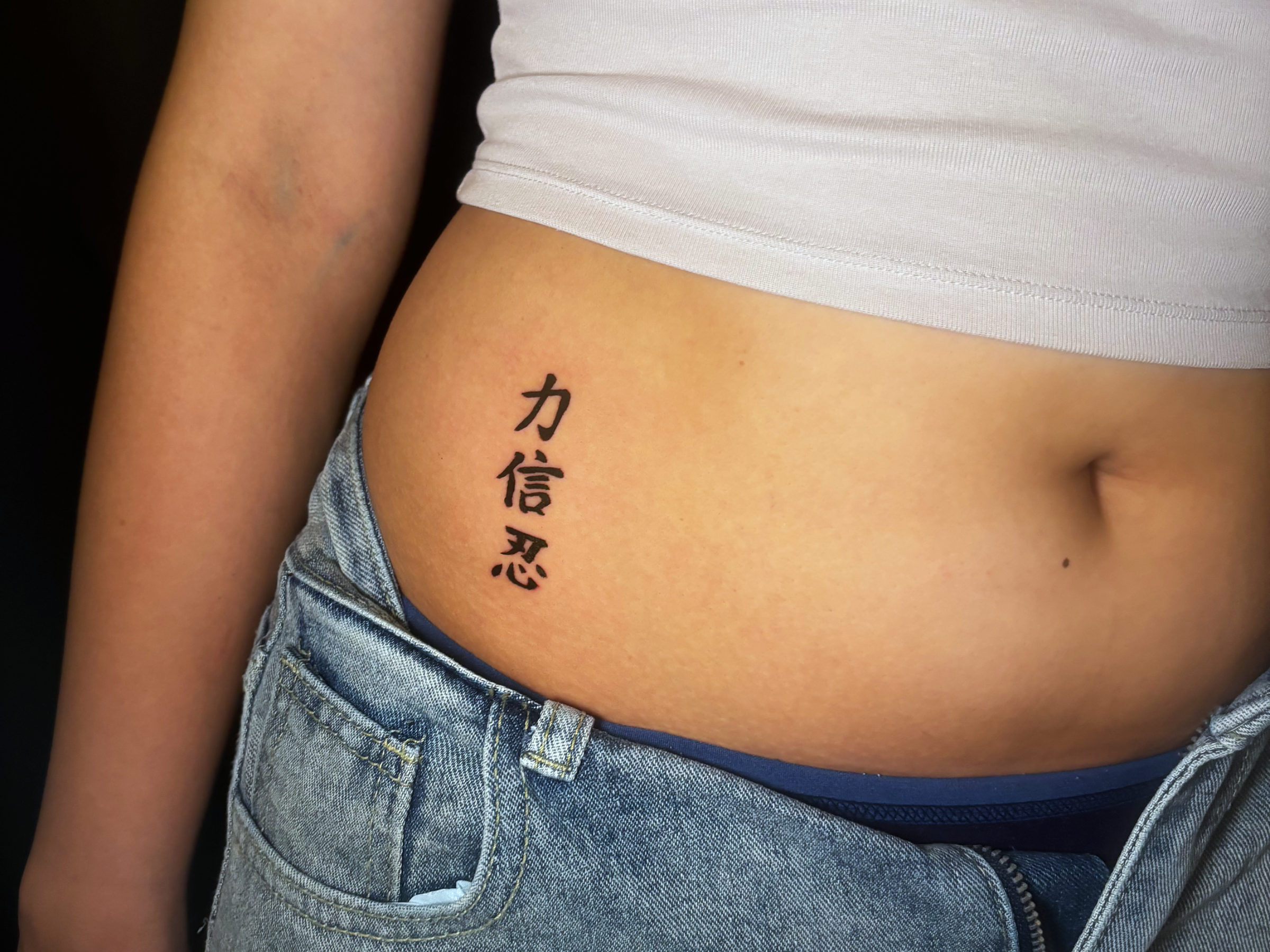
The placement of a tattoo significantly influences how it is perceived by others. At Inkspace, we notice that clients often consider how visible a tattoo will be in social or professional settings. For instance, a forearm tattoo is more visible and can be seen as a bold personal statement, while a back tattoo might be chosen for its privacy. This consideration is particularly important in a multicultural city like Delhi, where social norms can vary significantly from one community to another.
This perception can be crucial, especially for those working in conservative environments. Our consultations often address such concerns, helping clients find a balance between personal expression and social acceptance. A client might choose a more discreet placement if they frequently interact with conservative clients or colleagues, while someone in a more liberal environment might opt for a more visible placement. Ultimately, the goal is to ensure the tattoo enhances the client's sense of self without causing unintended social friction.
What do different placements say about personality?
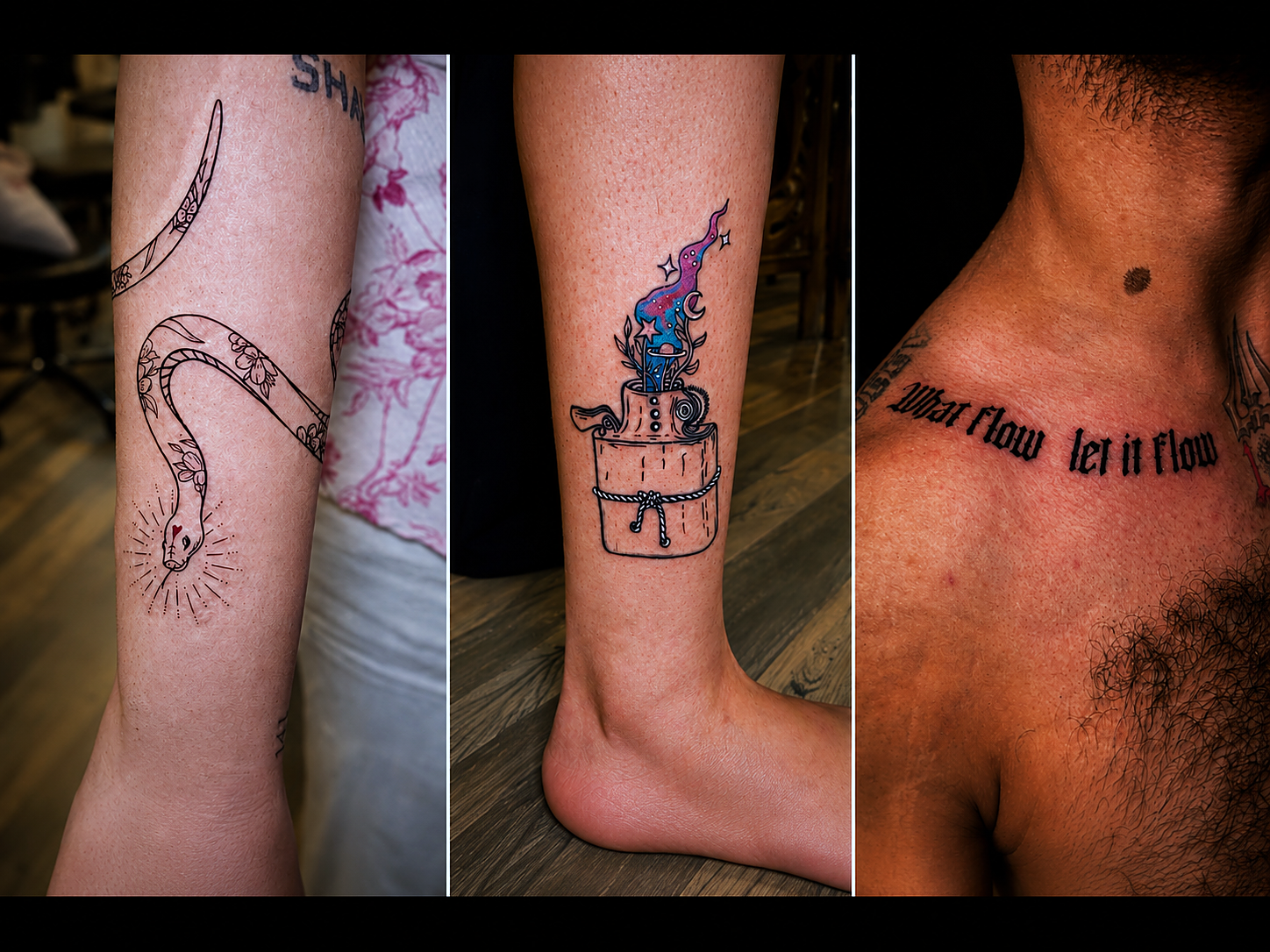
Each tattoo placement can suggest different aspects of personality or values. For example, tattoos on the ribs, often chosen by first-timers concerned about pain, reflect a willingness to endure discomfort for something meaningful. Neck tattoos may indicate boldness and a strong sense of identity, while ankle tattoos might suggest a playful or adventurous spirit. These choices often reflect deeper motivations and personal narratives.
Our artists at Inkspace have noticed these patterns during consultations, helping clients choose placements that align with their personality and lifestyle. In the diverse setting of Hauz Khas Village, we encounter clients from various backgrounds, each bringing their unique preferences and stories. This diversity enriches our understanding of how placements can communicate personality traits, allowing us to provide personalized advice that resonates with each client's individual journey.
How do cultural differences influence placement?
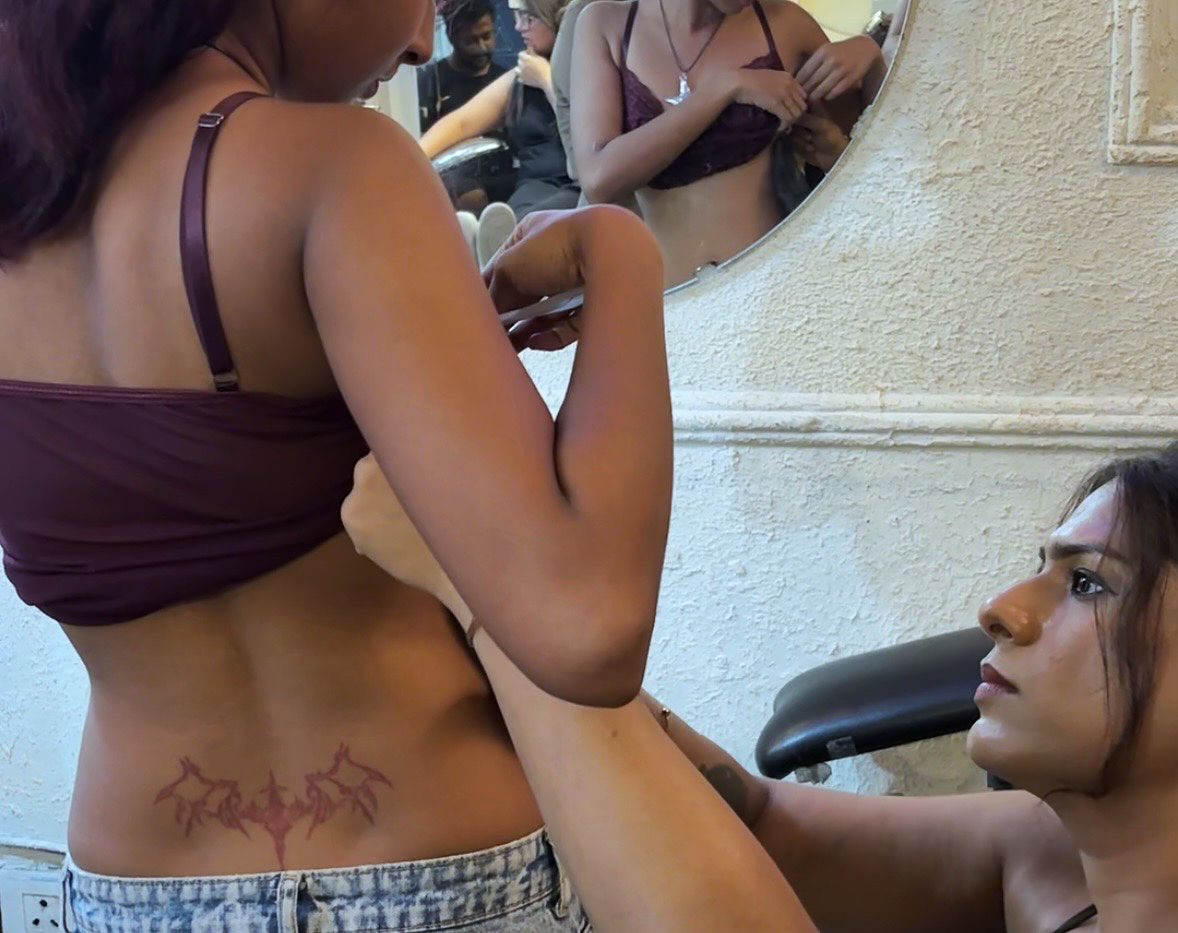
In a culturally diverse city like Delhi, tattoo placement preferences can vary widely. At Inkspace, we've seen that cultural backgrounds heavily influence these choices. [Traditional](/blog/american-traditional-tattoo-guide) Indian tattoos, such as those incorporating motifs from local art, are often placed in areas that hold cultural significance, like the arms or chest. These placements not only honor cultural heritage but also highlight the significance of the tattoo's design.
This diversity is reflected in our clientele, ranging from Delhi locals to expats exploring Hauz Khas Village. Understanding these cultural nuances can help in making a placement choice that respects personal heritage while embracing modern tattoo trends. For instance, a client might choose to place a traditional Indian motif on their forearm to celebrate their heritage while still participating in contemporary tattoo culture. This blend of old and new is a hallmark of Delhi's vibrant and ever-evolving cultural landscape.
What are the practical considerations for tattoo placement?
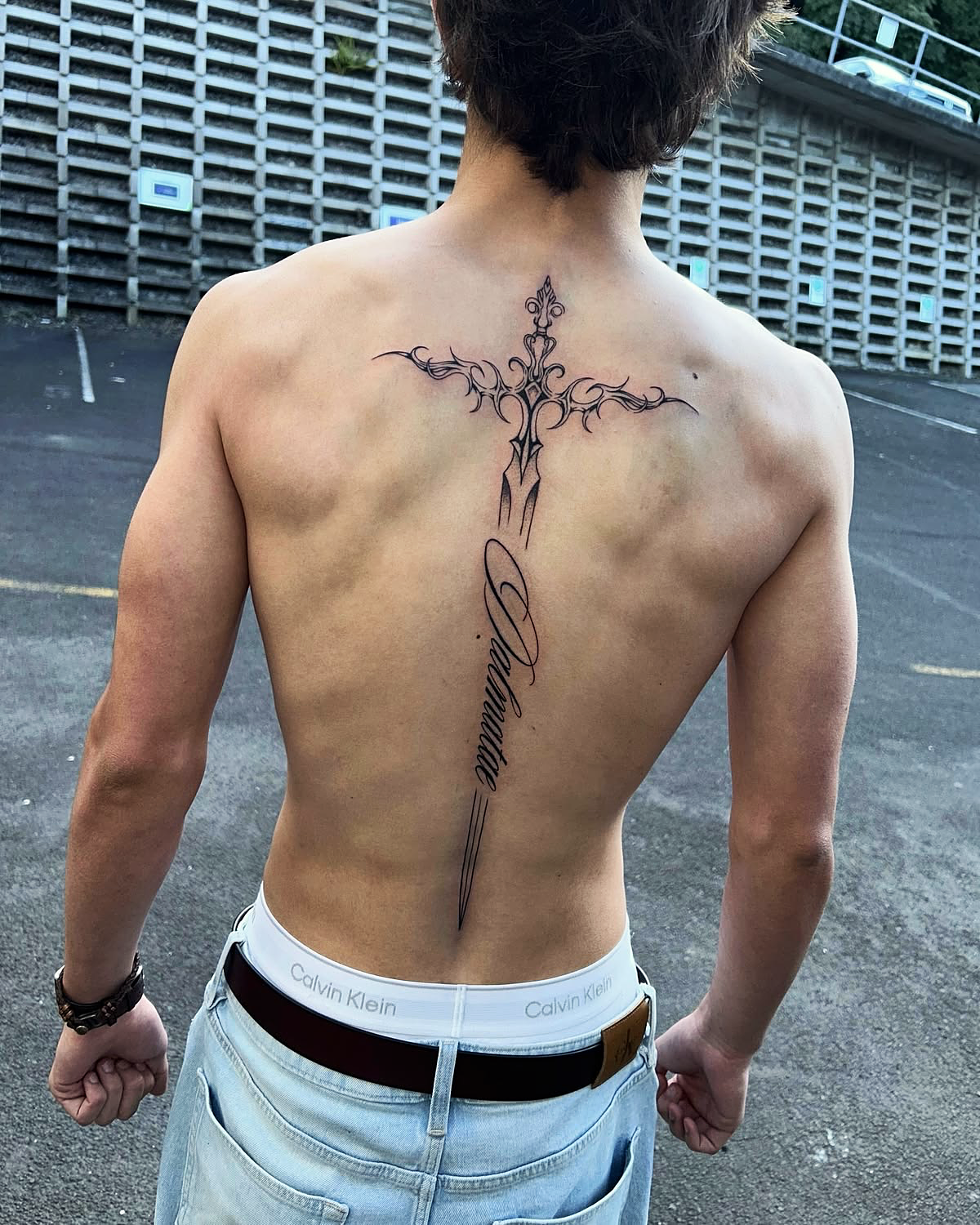
When choosing a tattoo placement, there are practical factors to consider, such as pain tolerance, healing time, and professional visibility. Tattoos on bony areas like ribs or spine can be more painful, a common concern among first-timers at our studio. Healing is another consideration; for example, tattoos on the feet may take longer to heal due to friction and movement. These practical aspects can significantly impact the tattoo experience and the client's overall satisfaction.
Our consultations at Inkspace frequently address these aspects, ensuring clients are aware of what to expect throughout the tattooing process. We provide detailed aftercare instructions tailored to the specific placement, helping clients manage pain and healing effectively. This proactive approach is crucial in a bustling city like Delhi, where the pace of life can often clash with the need for careful tattoo aftercare. By preparing clients for these challenges, we help them achieve the best possible results from their tattoo.
How to choose the right placement for your tattoo?
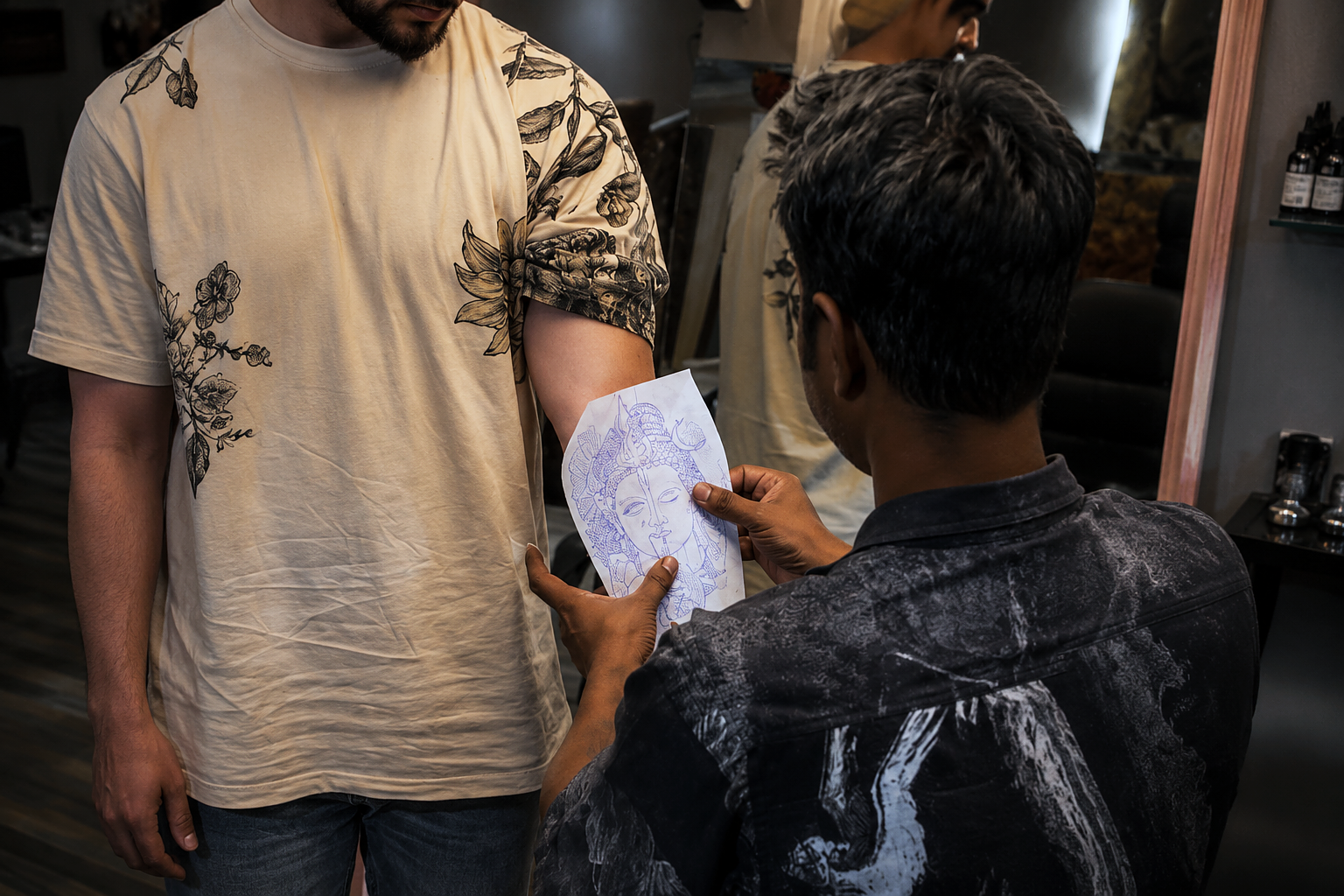
Aligning your tattoo placement with personal meaning and lifestyle is crucial. At Inkspace, we emphasize the importance of personalized consultations to guide this decision. For those unsure, we recommend starting with less visible areas, especially for first tattoos, to gauge comfort and style. This cautious approach allows clients to build confidence and familiarity with the tattooing process.
However, for those confident about their choice, bold placements like the forearm or neck can make a strong statement. Ultimately, the right placement should resonate with your personal [story](/blog/realism-why-are-finger-tattoos-so-addictive-story-inkspace) and be something you are proud to display. In the dynamic setting of Hauz Khas Village, where artistic expression is celebrated, bold tattoo placements can be a powerful way to connect with the local creative community. Whether you choose a visible or discreet placement, the key is to ensure it aligns with your personal and professional life, allowing you to wear your tattoo with pride.
Options: Clients usually choose between visible and discreet placements.
- Visible: Forearms, hands, necks. Bold, expressive. Consider social and professional implications.
- Discreet: Upper arms, thighs, rib cage. Private, personal.
Trade-offs: Visible placements offer constant visibility but may impact professional interactions. Discreet placements are more private but less visible.
Pro Tip: According to Chetan Salhotra, 'Consider both your current lifestyle and potential future changes when choosing placement.'
Recommendation: For first-timers, start with a discreet placement. As you become more comfortable, explore visible areas.
When recommendation is wrong: If your profession allows for visible tattoos and you feel confident, embrace a bold placement from the start.
Frequently Asked Questions
Does tattoo placement affect pain levels?
Yes, placement can significantly influence pain levels. Bony areas like ribs or ankles tend to be more painful. At Inkspace, we advise clients to consider their pain tolerance during consultations. We also provide strategies to manage pain, such as choosing the right time of day for your appointment and using topical anesthetics if necessary.
What are the most popular tattoo placements?
Popular placements include forearms, upper arms, and ankles. These areas balance visibility and personal significance, making them ideal for many clients. In Delhi, these placements are favored for their versatility and ability to blend personal expression with professional expectations.
How long does tattoo placement take to heal?
Healing time varies by location. Generally, tattoos take 2-4 weeks to heal. Areas with friction, like feet, may require longer care. At Inkspace, we provide a detailed aftercare guide to help clients navigate the healing process successfully.
Can I get a tattoo anywhere on my body?
While you can tattoo most areas, consider factors like skin type and movement. Areas with thin skin or constant movement may require special care. Our artists at Inkspace are experienced in advising on the best placements for your specific needs.
Does tattoo placement affect job prospects?
It can, especially in conservative fields. Consider your career path when choosing visible placements like hands or neck. In Delhi, where professional environments vary greatly, this consideration is particularly important.
How do I decide on the best placement for a small tattoo?
Small tattoos work well on wrists, behind ears, or ankles. Consider visibility and personal significance when choosing placement. Our team at Inkspace can help you find the perfect spot that complements your style while meeting your personal preferences.
Are there any placements to avoid for first-time tattoos?
First-timers may want to avoid highly visible or painful areas like the face or ribs. Starting with a less visible area can ease the experience. This approach allows you to get comfortable with the tattoo process [before](/gallery/realism-tiger-tattoo-hauz-khas-delhi) committing to more prominent placements.