A researched editorial on the Indian celebrity tattoos that helped move ink from a niche statement to a mainstream form of personal storytelling.
There was a time when a tattoo in India could make you the most interesting person in the room - or the person everyone had an opinion about. Then celebrities started wearing ink in plain sight. A lover's name, a child's name, a piece of handwriting, a symbol of belief: suddenly the tattoo was no longer just a Western fashion statement. It became personal, visible and aspirational. From Deepika Padukone's famous 'RK' era to Priyanka Chopra's deeply intimate tribute to her father, certain celebrity tattoos became cultural reference points. They did not single-handedly create India's tattoo industry, but they helped normalise the idea that a permanent mark could be stylish, emotional and worth talking about.
Saif Ali Khan's Kareena Tattoo Made the Name-on-Skin Gesture Mainstream
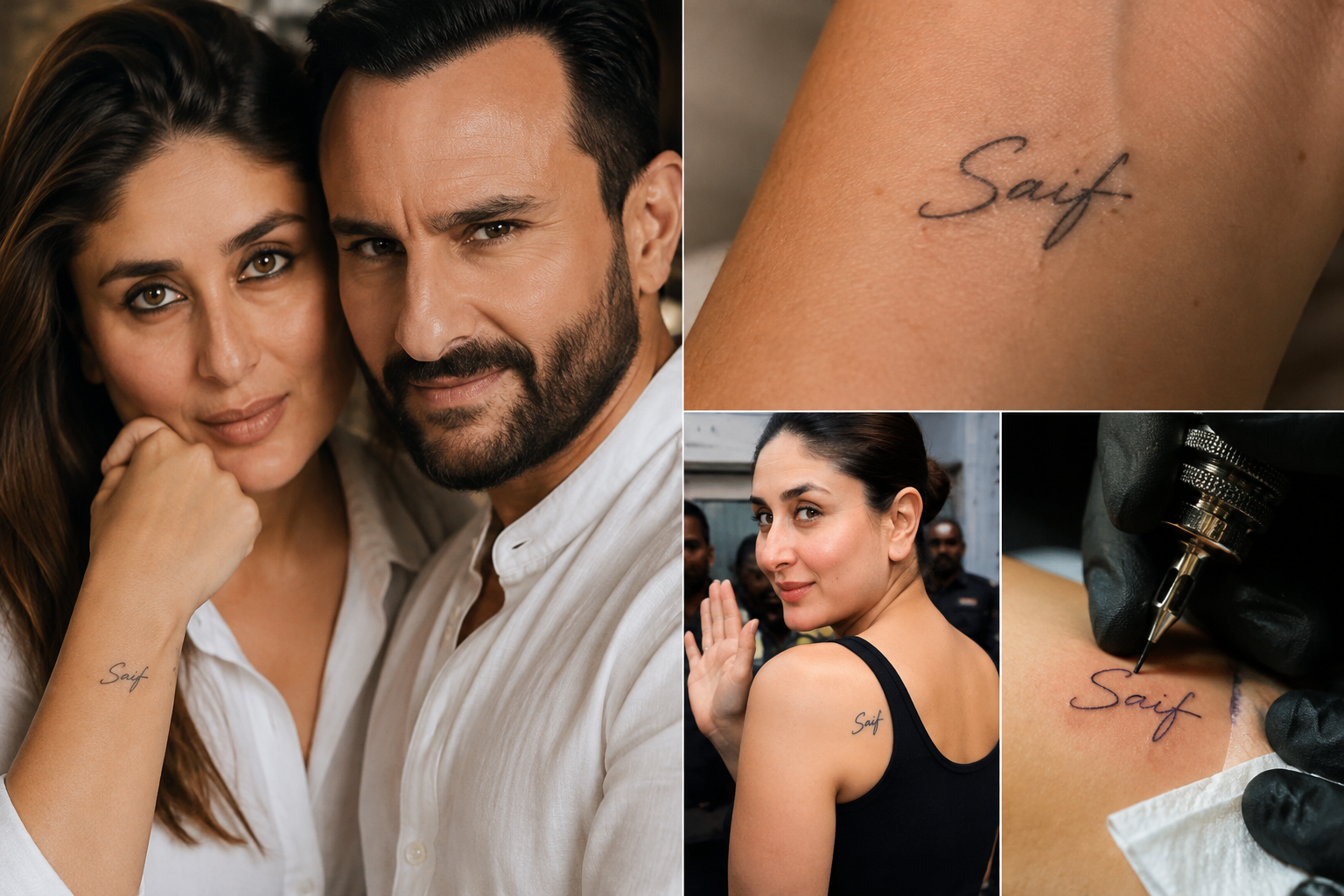
In 2008, Saif Ali Khan turned a very private relationship into a very public tattoo. The actor had Kareena Kapoor's name inked in Devanagari on his forearm, a piece that quickly became one of Bollywood's most recognisable tattoos. In 2025, Saif revisited the story and explained that the original plan had simply been to get a tattoo on his shoulder. The decision to use Kareena's full name was impulsive - and very much a product of being in love.
What made the tattoo culturally powerful was its simplicity. There was no elaborate symbolism to decode. It was a person's name, permanently declared. For years, celebrity couples, fans and first-time tattoo clients repeatedly returned to the same visual language: names, initials and script associated with someone they loved. Saif's tattoo became shorthand for a particular kind of romantic commitment - bold, visible and unapologetically personal.
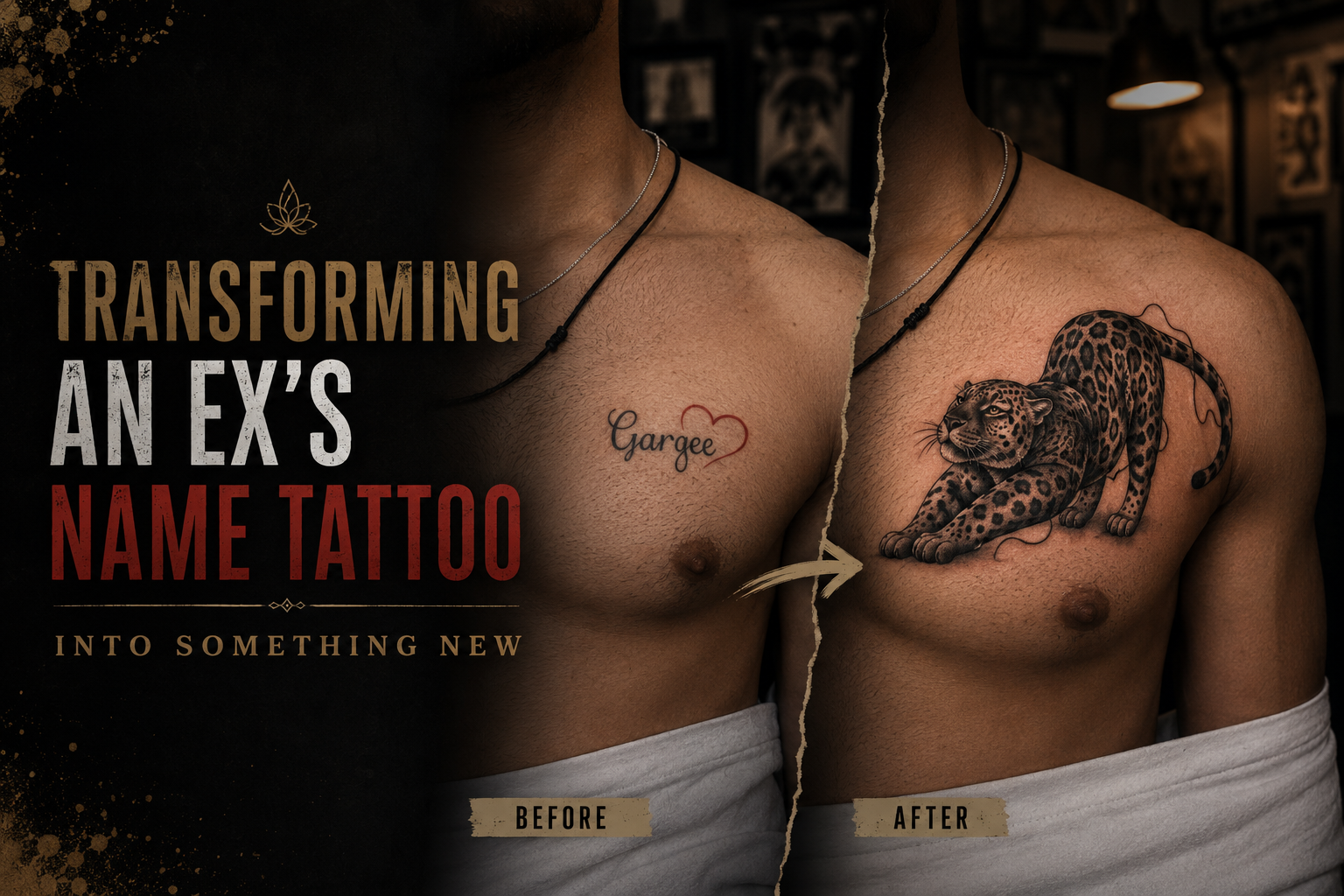
The story also gave tattoo culture a useful warning: a tattoo can be emotionally honest and still be a decision worth thinking through. Saif's later cover-up with a trishul, reported in 2024, showed the other side of permanent ink - bodies change, lives change and tattoos sometimes evolve with them.
Deepika Padukone's 'RK' Tattoo Turned Celebrity Ink Into a Cultural Conversation
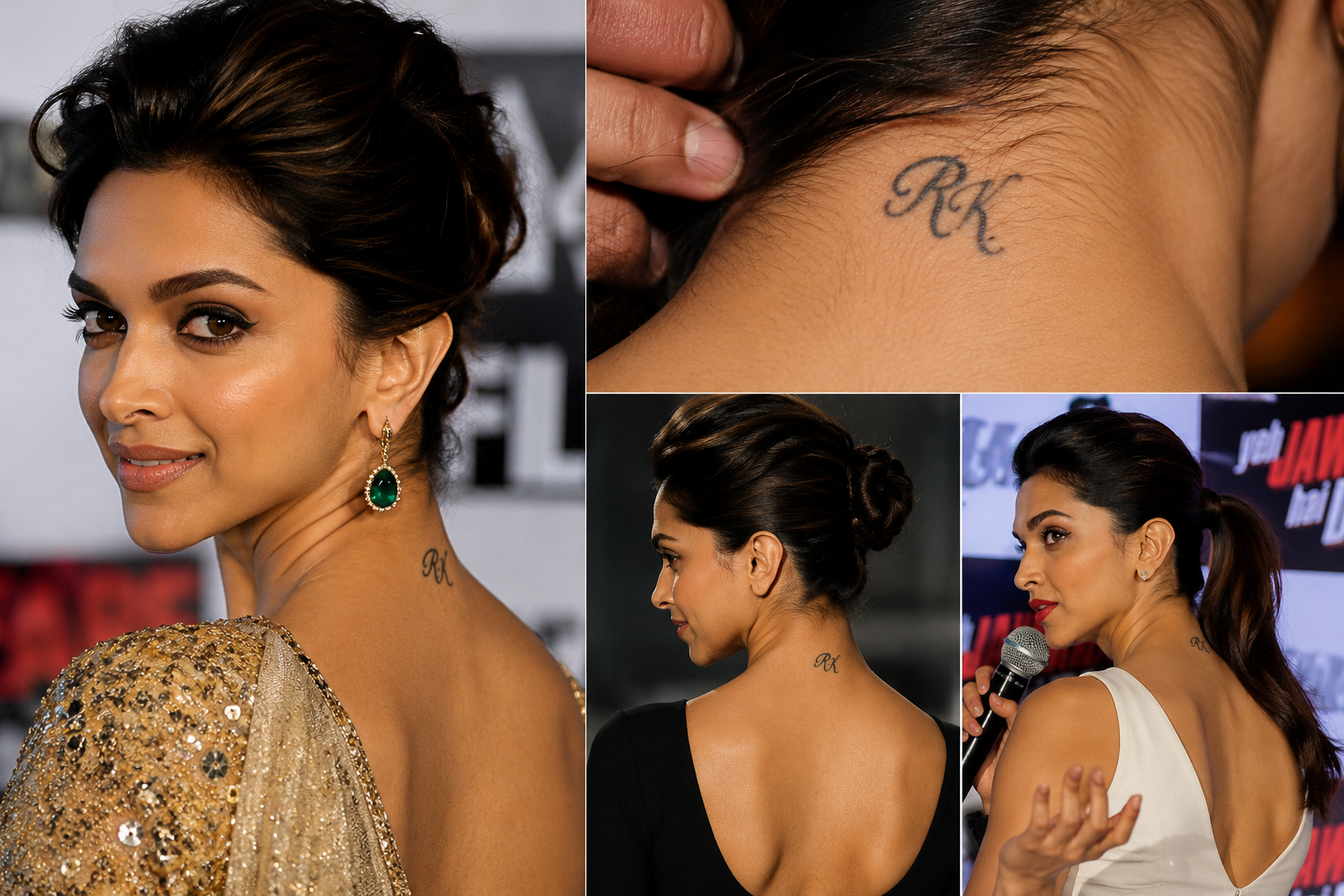
Few Indian celebrity tattoos have had the same public life as Deepika Padukone's 'RK' tattoo. The initials referred to Ranbir Kapoor during their relationship and were placed high on her neck, making the mark difficult to miss whenever she wore certain hairstyles or red-carpet looks. It became tabloid material, fan discussion and a recurring part of early social-media-era celebrity culture.
What mattered was not simply that the tattoo existed. It was that millions of people watched the story around it unfold. The tattoo became a living example of the promise - and risk - of putting a relationship into your skin. When the relationship ended, the tattoo did not magically disappear with it. Deepika later redesigned the mark, a visual reminder that tattooing can be permanent without meaning a person is permanently stuck in the same chapter of their life.
That changed the conversation. A celebrity tattoo stopped being something you only copied because it looked cool. It became a way to discuss identity, relationships, regret, reinvention and the possibility of transforming an old tattoo rather than simply living with it.
Priyanka Chopra's 'Daddy's Lil Girl' Tattoo Showed India the Power of Personal Ink
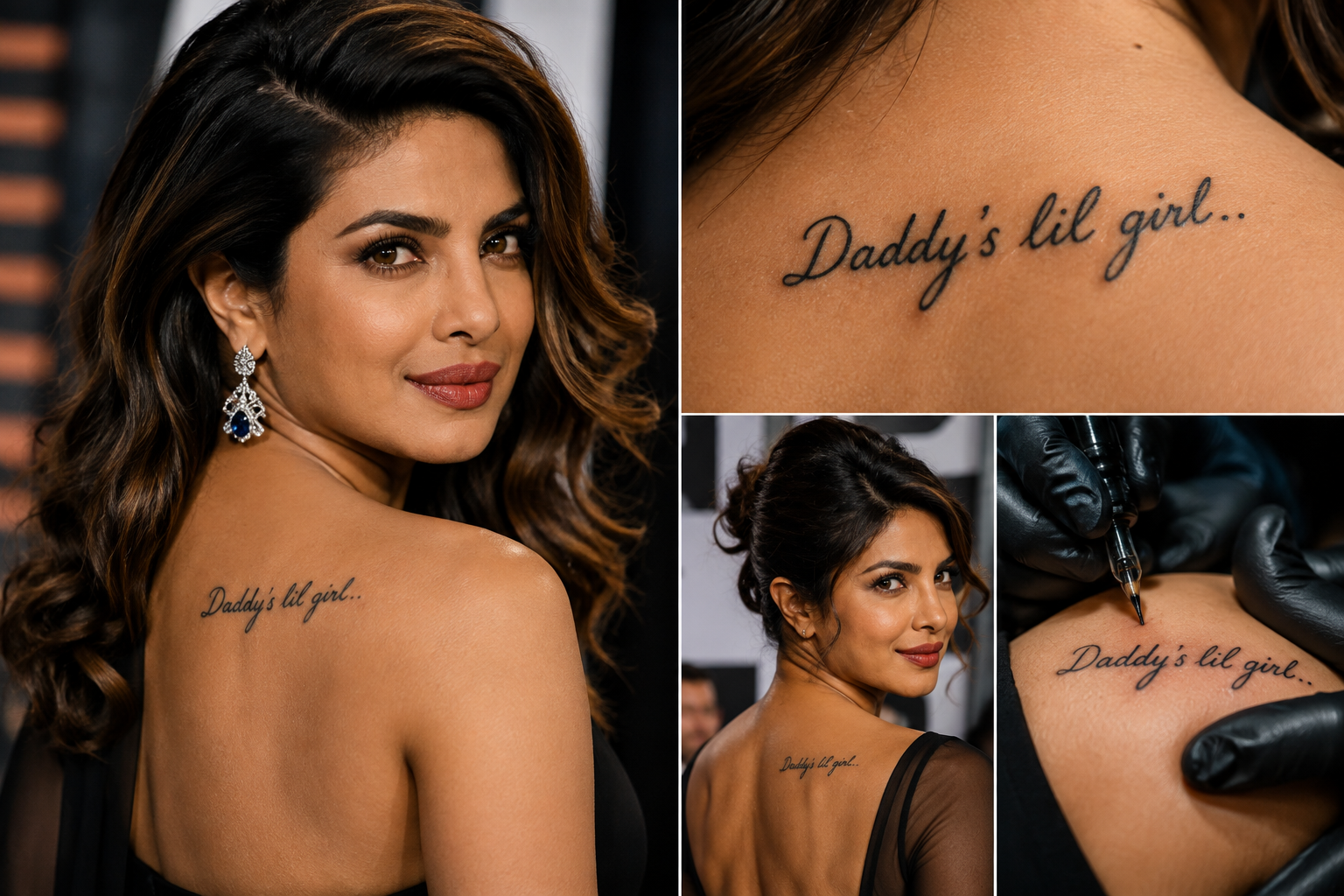
Priyanka Chopra's first tattoo is arguably the opposite of a trend tattoo. It was deeply specific: the words 'Daddy's lil girl' written in her late father's handwriting. She has described her father as a major source of encouragement in her life, and the tattoo became a permanent way to keep his handwriting - and the relationship behind it - close to her.
The cultural effect was subtle but important. Instead of using a tattoo mainly as decoration or romance, Priyanka's ink made remembrance feel fashionable without making it feel superficial. It helped reinforce a different idea of what a meaningful tattoo could be: not a complicated design, but a tiny piece of someone's actual life.
For tattoo artists and clients, this is one of the strongest lessons celebrity culture has produced. The most powerful reference image is not always another tattoo. Sometimes it is a handwritten note, a signature, a line from a family member or a personal object. The job of the artist is then to preserve the feeling while making sure the design works on skin.
Akshay Kumar's Family Tattoos Helped Normalise Tattoos as Something Personal, Not Rebellious
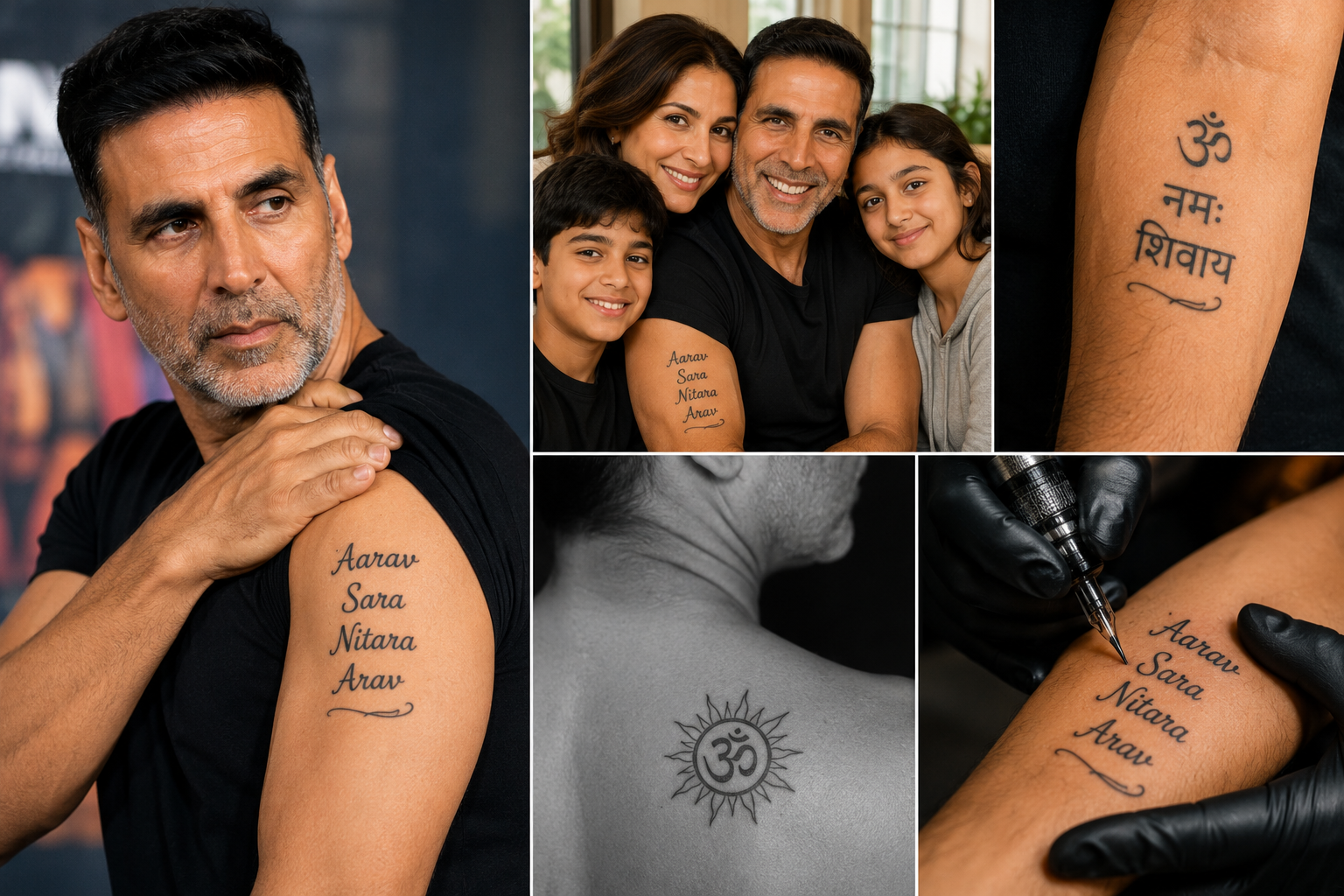
Akshay Kumar's tattoos are much less about spectacle than about family. He has inked the names of his children and his wife, using simple lettering rather than an elaborate visual concept. Vogue India has reported that he first got his son Aarav's name tattooed in 2007, later adding daughter Nitara's name and wife Twinkle Khanna's nickname, Tina.
That pattern mattered because it quietly expanded the social image of who gets tattooed. The tattoo was no longer framed only as a sign of rebellion, rock-and-roll attitude or counterculture. A mainstream family man could have his family's names on his body - and the meaning was the point.
This kind of celebrity ink helped move tattoos toward what they are for many Indian clients today: personal archives. A birth, a family member, a milestone, a belief or a memory can all become design material. The ink is visible, but the reason for it belongs to the person wearing it.
Hrithik Roshan and Sussanne Khan Helped Make Couple Tattoos a Mainstream Visual
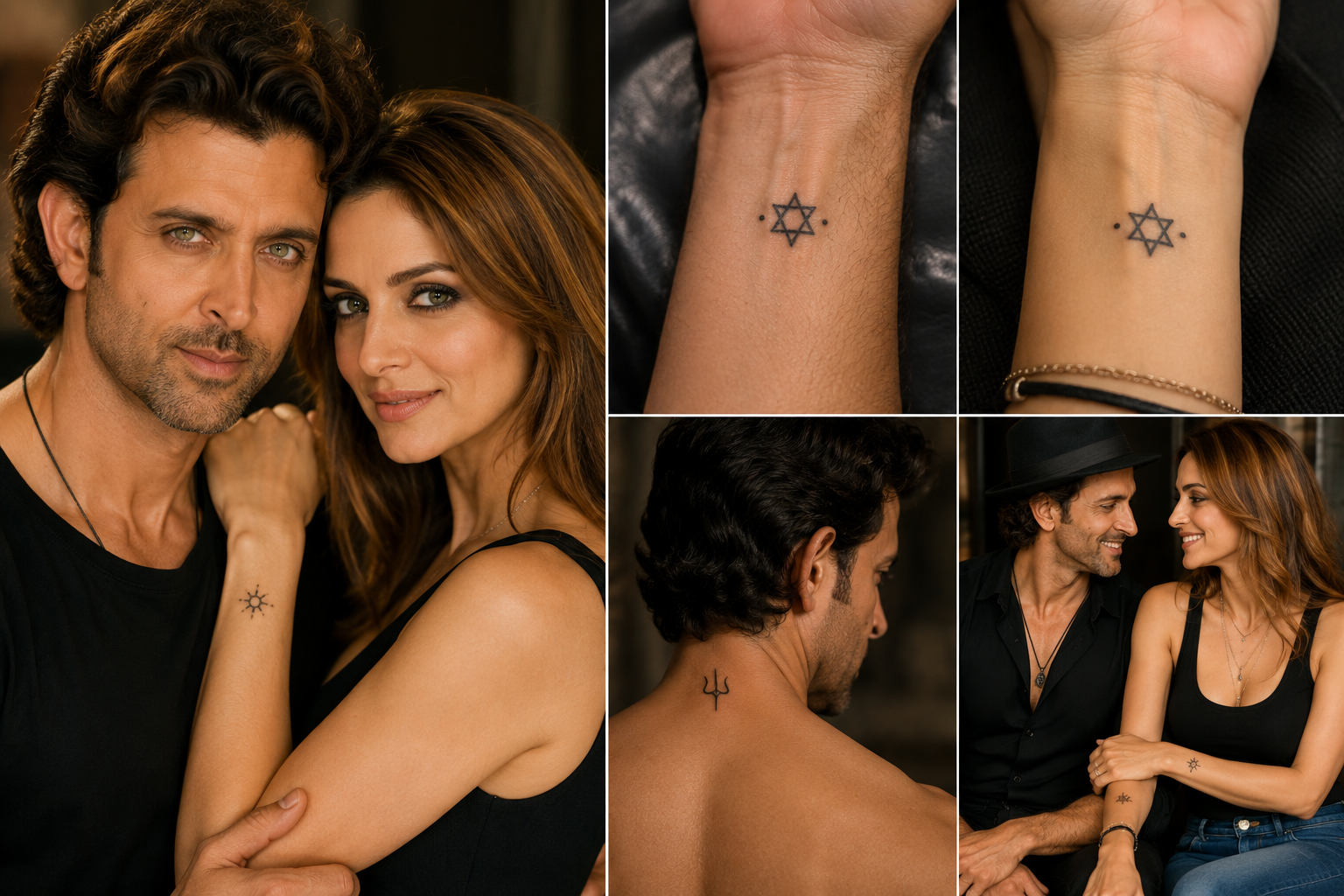
Hrithik Roshan and Sussanne Khan became widely associated with matching tattoos, including a six-point-star design, while Hrithik also had Sussanne's name tattooed on his wrist. In reporting on India's tattoo boom, NDTV quoted tattoo professionals who specifically linked growing demand to Indian celebrities, citing Hrithik and Sussanne among the high-profile figures who helped accelerate the trend.
Their importance was visual. Matching tattoos created a new template for couples: not just wearing the same outfit or sharing a photo, but choosing a permanent visual language together. The concept was easy to understand and easy to imagine. It also made tattoos feel social. People could get inked with a partner, friend or family member and turn the design itself into a shared story.
Even when relationships change, the cultural idea survives. Matching tattoos remain one of the most requested categories because the emotional concept is instantly legible: two people choosing a mark that means more when viewed together.
The Real Change: From Celebrity Copying to Personal Storytelling
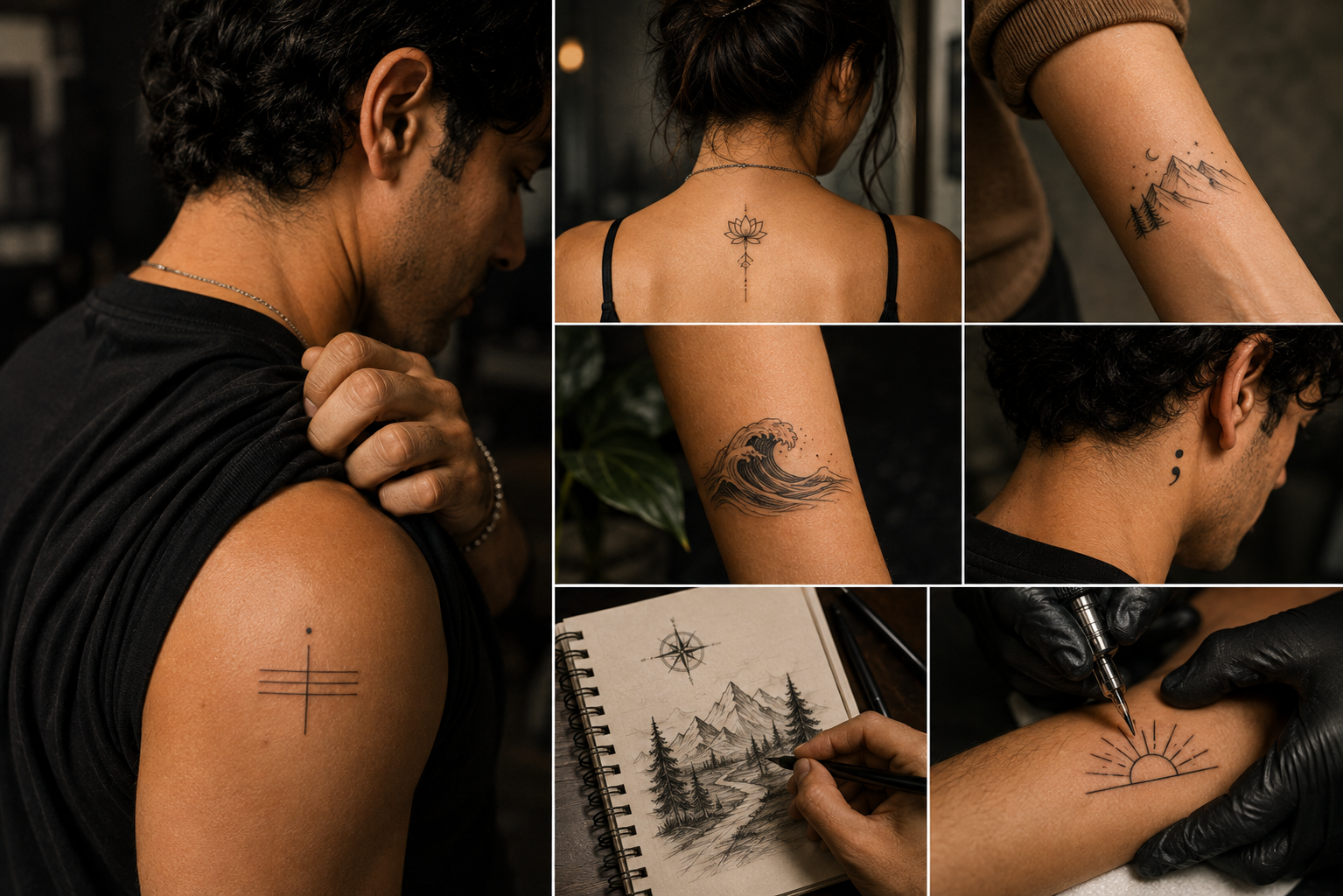
The biggest impact of celebrity tattoo culture is not that people copied exact designs. It is that celebrities expanded the range of reasons Indians felt comfortable getting tattooed. Love. Family. Grief. Identity. Friendship. Belief. Reinvention.
That shift is visible in the evolution of the tattoos themselves. Older celebrity stories often centred on names and initials. More recent celebrity ink is increasingly symbolic, custom and connected to life events. The influence moved from 'I want what they have' toward 'I want something that says what they said, but in my own language.'
And that is where tattoo culture becomes more interesting. A great tattoo is not a celebrity tattoo copied onto someone else's body. It is the lesson taken from the celebrity tattoo: use skin to tell a story that only makes complete sense when it belongs to you.
Final Takeaway
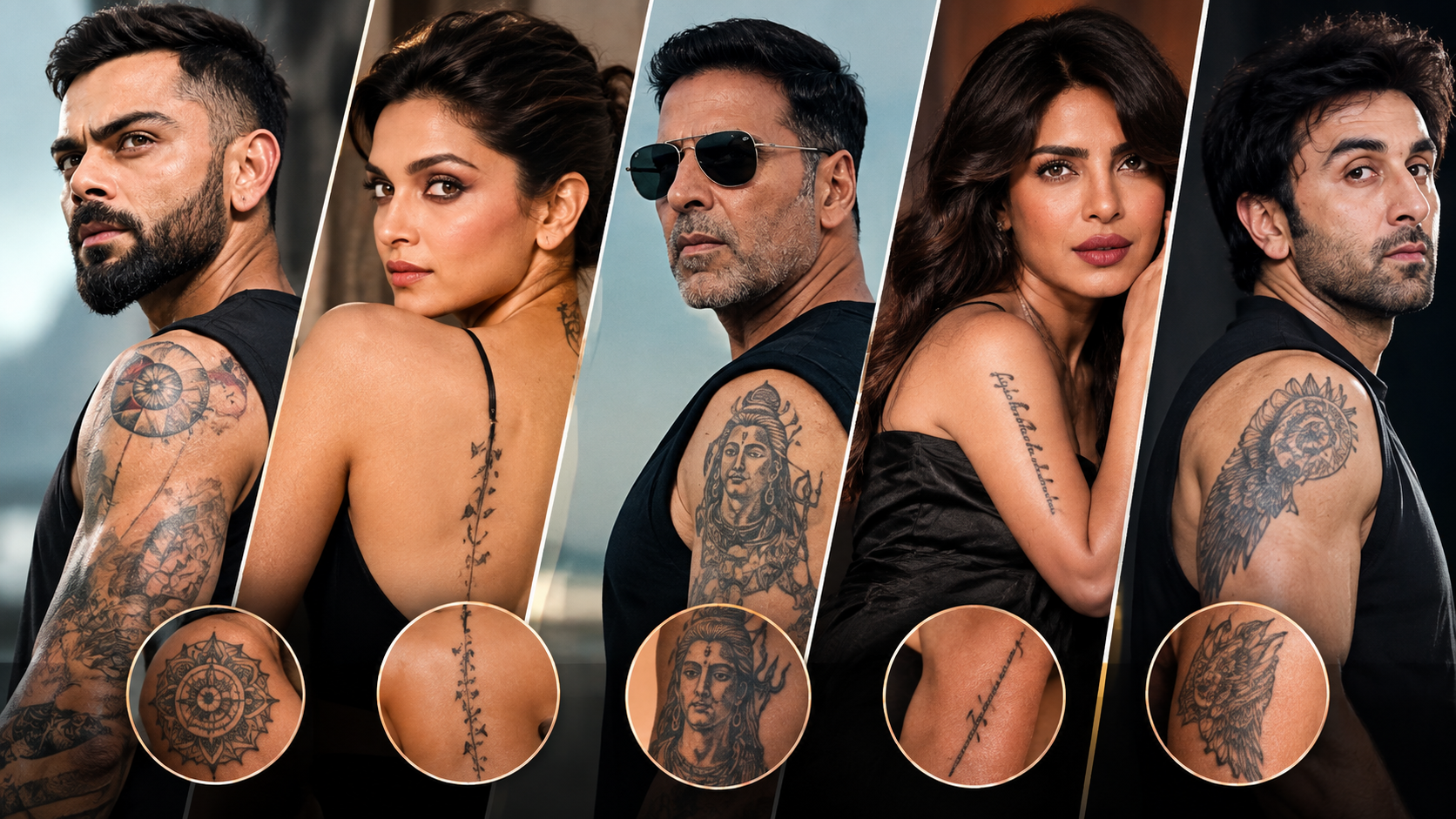
Indian celebrities did not invent tattoo culture, but they helped change who felt invited into it. Saif made romantic name tattoos part of mainstream conversation. Deepika showed how quickly a tattoo can become part of a public story - and how it can be reworked. Priyanka made personal remembrance look timeless. Akshay helped normalise family tattoos for a mainstream audience. Hrithik and Sussanne made matching ink feel like a shared language.
The result is bigger than any one celebrity: tattoos in India are now less about proving that you are rebellious and more about deciding what deserves to stay with you. The best tattoo is still not the one that belongs to the most famous person. It is the one that belongs unmistakably to you.
Artist Advice
“Celebrity tattoos can inspire people to walk into a studio, but the best tattoos are the ones that eventually become their own. A reference can give you the starting point, but the artist’s job is to help turn that inspiration into something that reflects the person wearing it.”
Frequently Asked Questions
Are celebrity tattoos really responsible for the growth of tattoo culture in India?
They are one influence among many. Media coverage, social media, changing attitudes toward body art and the growth of professional tattoo studios all played a role. Indian celebrities helped accelerate visibility by making tattoos mainstream, familiar and publicly discussable. NDTV has specifically reported tattoo professionals attributing part of the country's growing tattoo business to Bollywood celebrity influence.
Which Indian celebrity tattoo became the most iconic?
There is no objective single winner, but Deepika Padukone's former 'RK' tattoo and Saif Ali Khan's Kareena tattoo are two of the most recognisable because both became recurring parts of Indian pop-culture coverage. Priyanka Chopra's 'Daddy's lil girl' tattoo is arguably more memorable for its personal meaning than for controversy or romance.
Should I copy a celebrity's tattoo design?
Use celebrity tattoos as references, not templates. What looks meaningful on a celebrity can feel disconnected on someone else. A professional artist can take the underlying idea - a relationship, family bond, symbol or memory - and create a custom design with better personal meaning and suitable placement.
What makes a tattoo meaningful enough to keep for life?
Meaning is personal, but the strongest long-term tattoos usually connect to something that is genuinely yours: a person, milestone, belief, memory or part of your identity. Good design and good placement matter too. A meaningful idea still needs to be translated into a tattoo that can heal well, age well and suit your body.