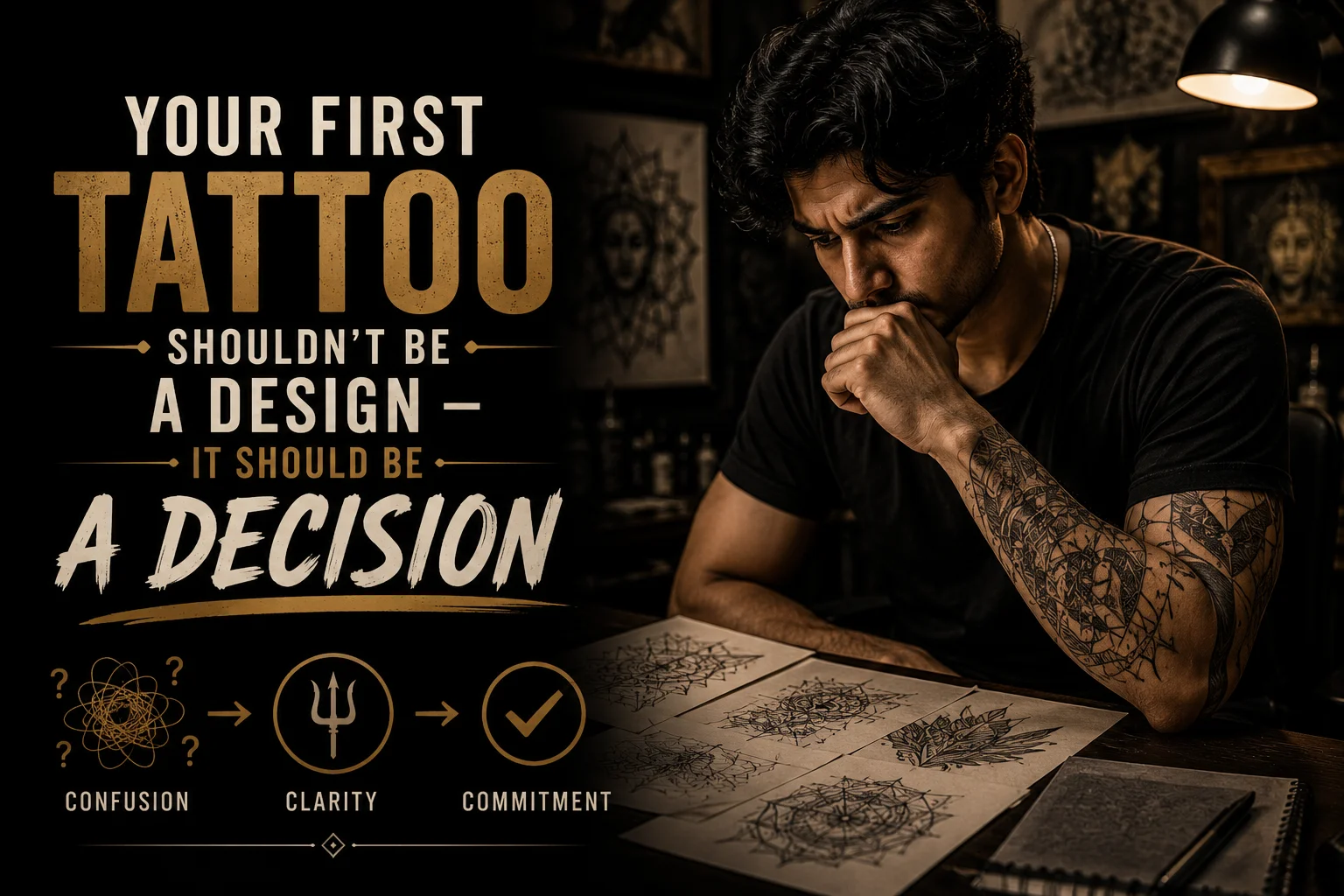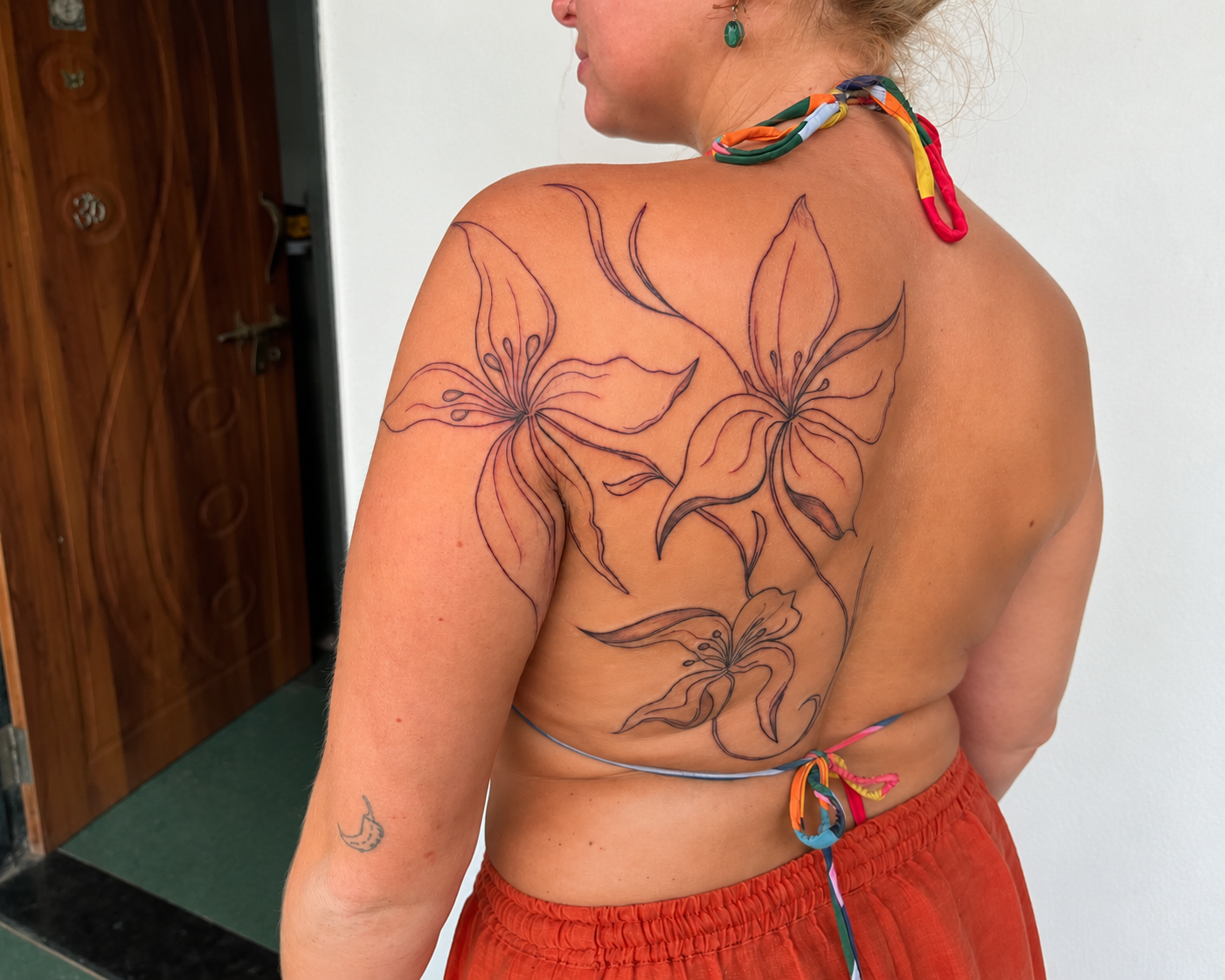
Someone asks about your tattoo. “What does it mean?” It is an almost automatic question. We see an image on someone's skin and assume there must be a story behind it: a person, a loss, a milestone, a belief, a place, a promise. Sometimes there is. And sometimes the honest answer is much simpler: “I just really liked it.” That answer can feel strangely inadequate because we have become used to talking about tattoos as if every one needs a biography. A flower has to represent someone. A date has to mark something. A symbol has to carry a private philosophy. Even a beautiful image can feel as though it needs a justification before it deserves a permanent place on your skin. But does it? Tattoo research shows that people give tattoos many different roles, including self-expression, identity, relationships, life events and remembrance. Research into tattoo aesthetics also shows that visual appeal itself is a real part of how tattooed art is experienced. There is no single universal test for whether a tattoo is worthwhile. The more useful question may be simpler: do you genuinely want to live with the artwork?
The question “What does it mean?” can put too much pressure on a tattoo.
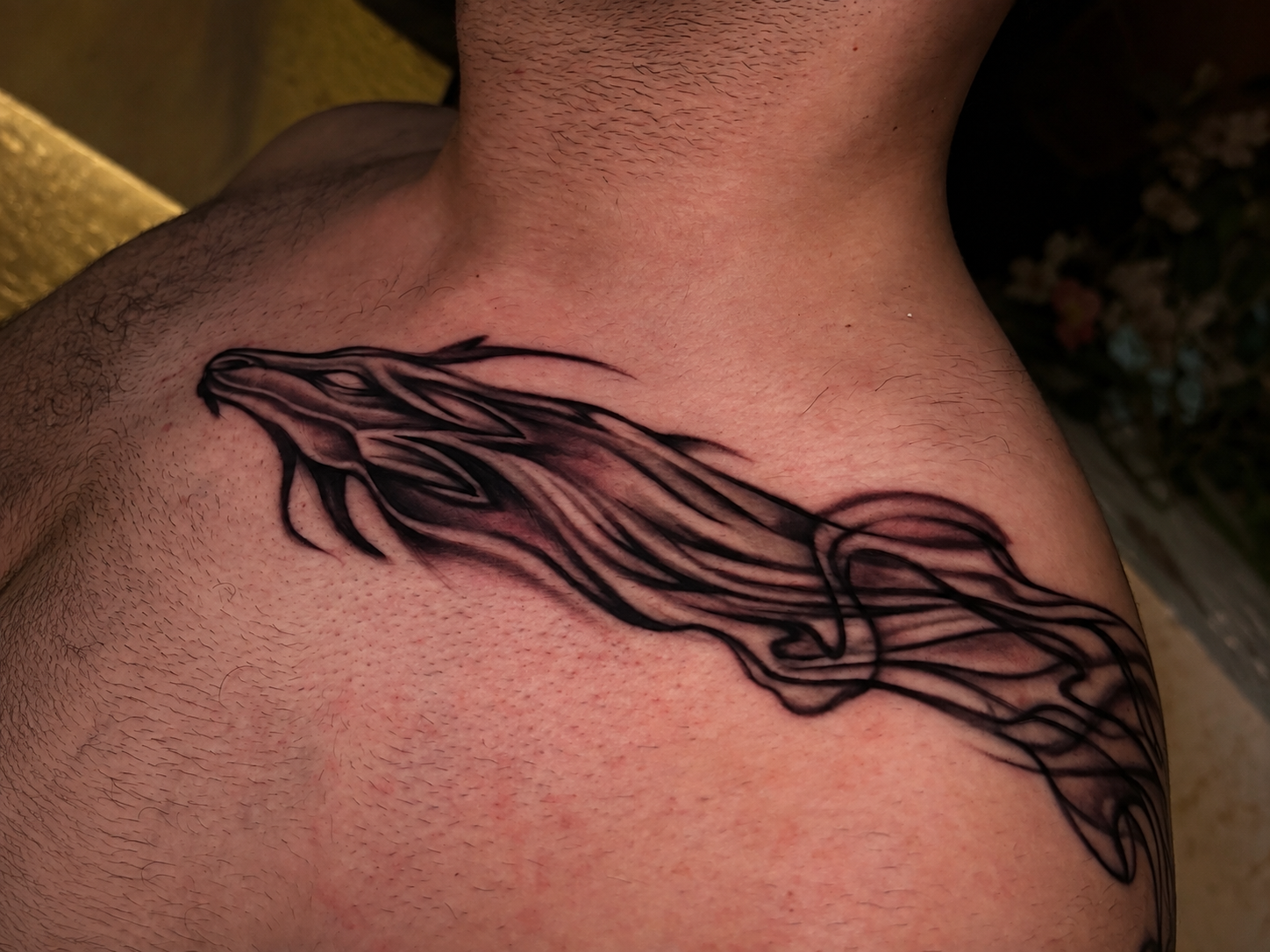
Imagine finding a design you genuinely love. You keep looking at it. You can picture it on your arm, shoulder, ribs or leg. You like the shape, balance and way the lines move. You have not attached a dramatic life story to it, but you keep coming back to it. Then someone asks what it means. Suddenly, a perfectly good reason can start to feel inadequate. There is a strange expectation that a permanent mark should come with a permanent explanation, as if committing something to your skin requires a statement about who you are. It does not. A tattoo can be a memorial. It can represent a relationship, belief, milestone or major change. It can also simply be something you find beautiful. Those reasons are not competing for legitimacy. The more useful question is not “Can I explain this tattoo to another person?” It is “Do I understand why I want this on my body?” You might have an answer that is deeply personal and difficult to explain. You might have an answer that is simply aesthetic. Or you might not have a neat answer at all. None of those automatically makes the decision less considered.
Meaning and beauty are not opposites
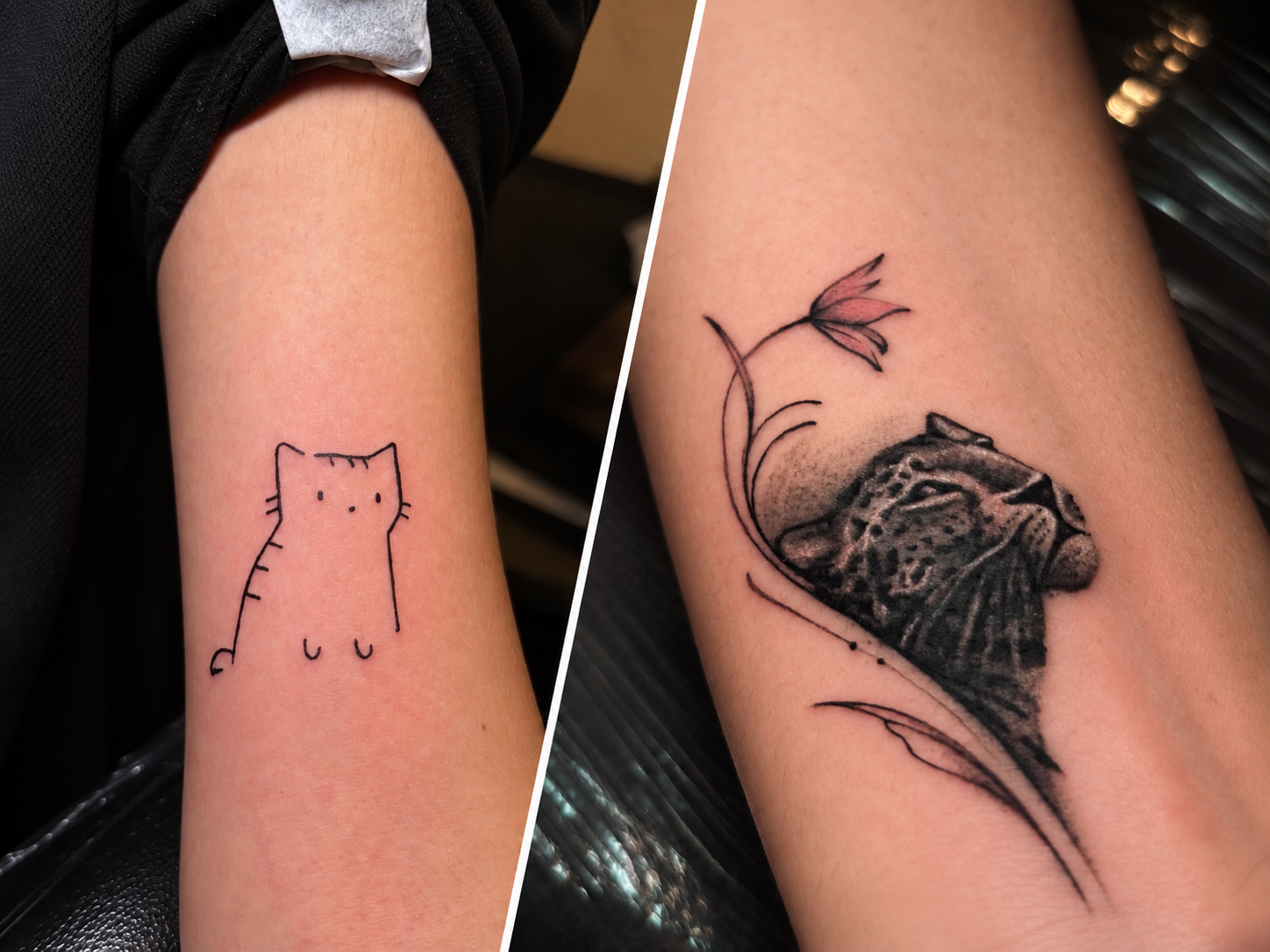
A tattoo does not have to choose between being meaningful and being beautiful. A design can appeal to you visually and acquire meaning because you chose it. A particular flower may not have represented anything before you saw it, but it can become associated with a period of your life after you wear it. An abstract piece may remind you of nothing specific and still become part of how you see yourself. Research into tattoo aesthetics has found that beauty is prominent in how people describe and evaluate tattoos, while also finding that there is no single universal definition of tattoo beauty. That matters because “I like it” is not necessarily a shallow reason. Taste is part of self-expression. Think about the things you choose to live with every day: the clothes you wear, the architecture you love, the photographs you keep, the objects you put in your home. You do not need a philosophical explanation for every aesthetic decision. A tattoo can work the same way. The fact that something looks beautiful to you is already information about you.
But “I like it” does not mean “I should get it immediately”
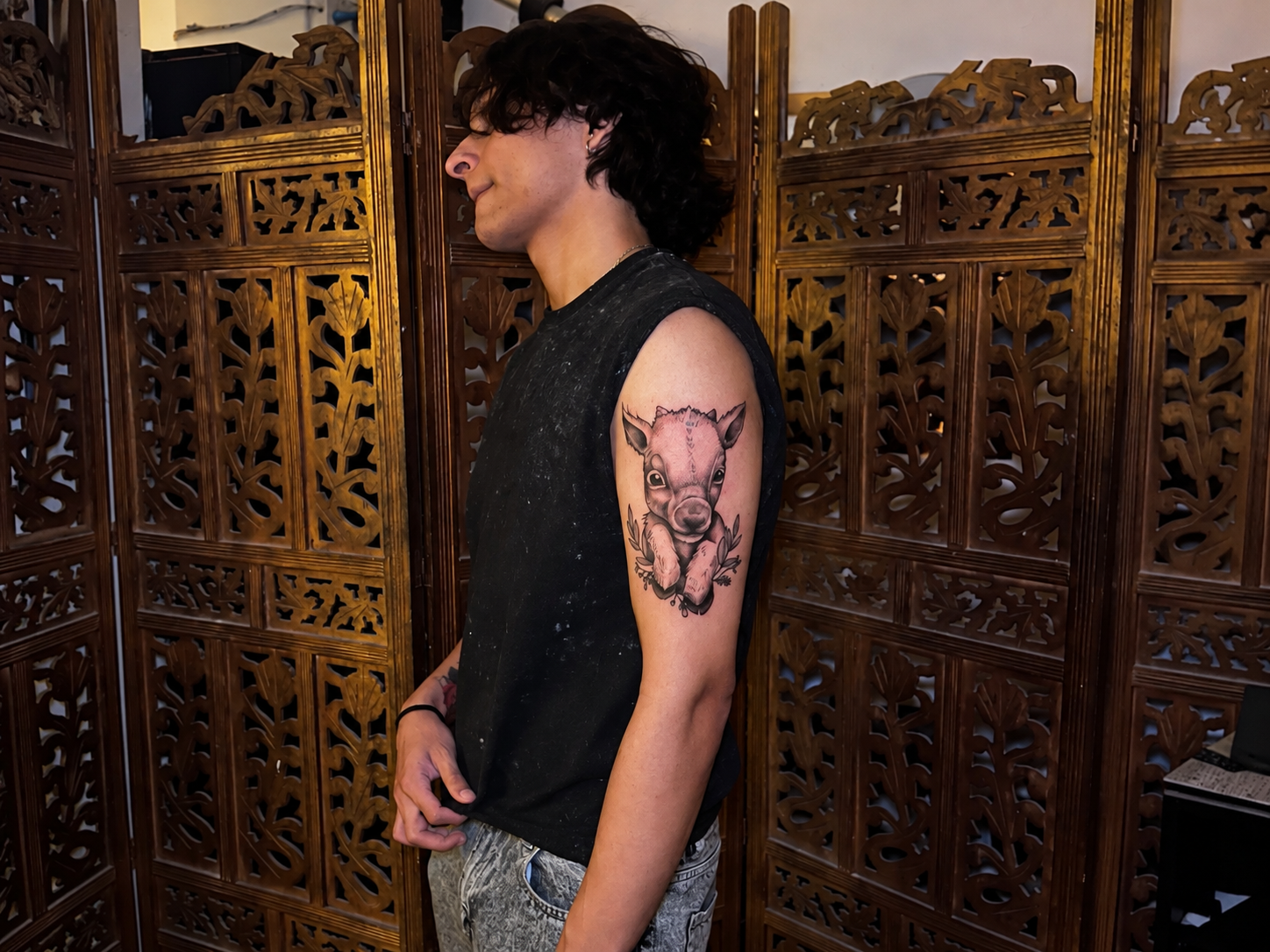
There is an important distinction here. A tattoo does not need a profound meaning. But because it is permanent, it does deserve a thoughtful decision. You can love a design and still ask yourself a few practical questions. Do you still like it after seeing it repeatedly rather than during a sudden burst of excitement? Do you like the design itself, or mainly the way it looked on somebody else's body? Does the size make sense for the amount of detail? Does the placement suit the artwork and your lifestyle? Have you chosen an artist whose actual work matches what you want? For example, you might love an intricate fine-line design on a phone screen, but the same amount of detail may need to be reconsidered when translated to a very small tattoo. A large botanical composition may look beautiful in isolation but need different proportions when it wraps around an arm. These are not arguments against the design. They are reasons to adapt it properly. A reference image is flat, perfectly lit and frozen at one moment. Your body is not. It moves, bends and changes shape. A good tattoo needs to be considered as artwork on a particular person, not simply reproduced from an image. That is where an artist's role becomes important. The reference can become the starting point for something designed around your body, placement, preferred style and the way you want the finished piece to feel.
There are different kinds of meaning — and they can change
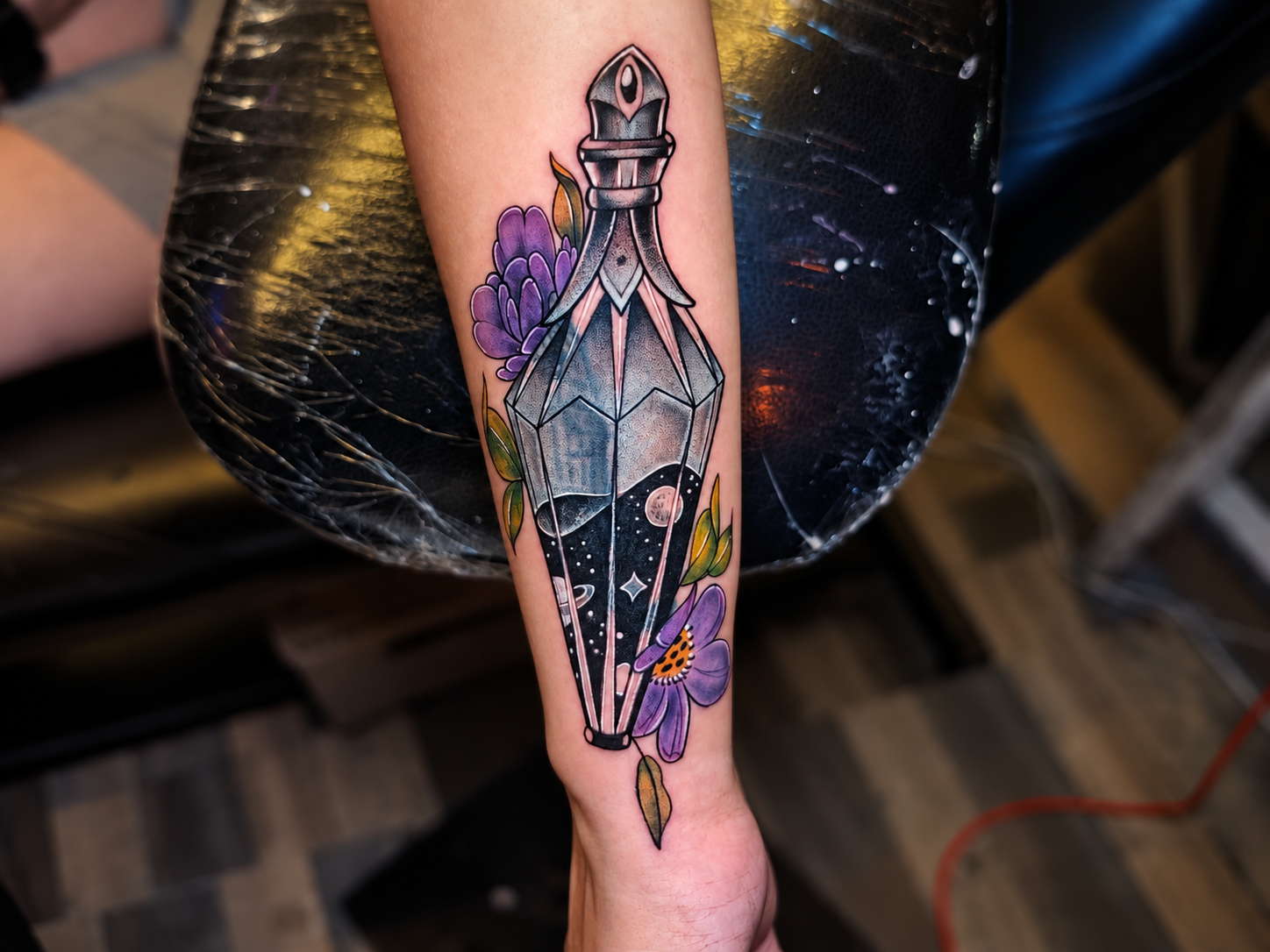
One reason the meaning debate becomes confusing is that “meaning” can describe several different things. There is the meaning you intend when you choose the tattoo. There is the meaning other people assign when they look at it. And there is the meaning the tattoo develops after you have lived with it. Those three things do not have to match. A tattoo might begin as a purely visual decision and later become connected to a particular period of your life. Another might be chosen to commemorate someone and eventually become less about that person and more about the version of yourself who existed at that time. Research on tattoos and identity has described meanings connected to self, relationships, life events and change. That supports a useful point: tattoo meaning does not have to remain frozen. You do not have to predict the next thirty years of your identity. You only need to be comfortable with the choice you are making now. A tattoo can record a moment without trapping you inside that moment. The person who gets the tattoo and the person who looks at it ten years later are allowed to be different people.
What if you want a tattoo purely because it looks good?
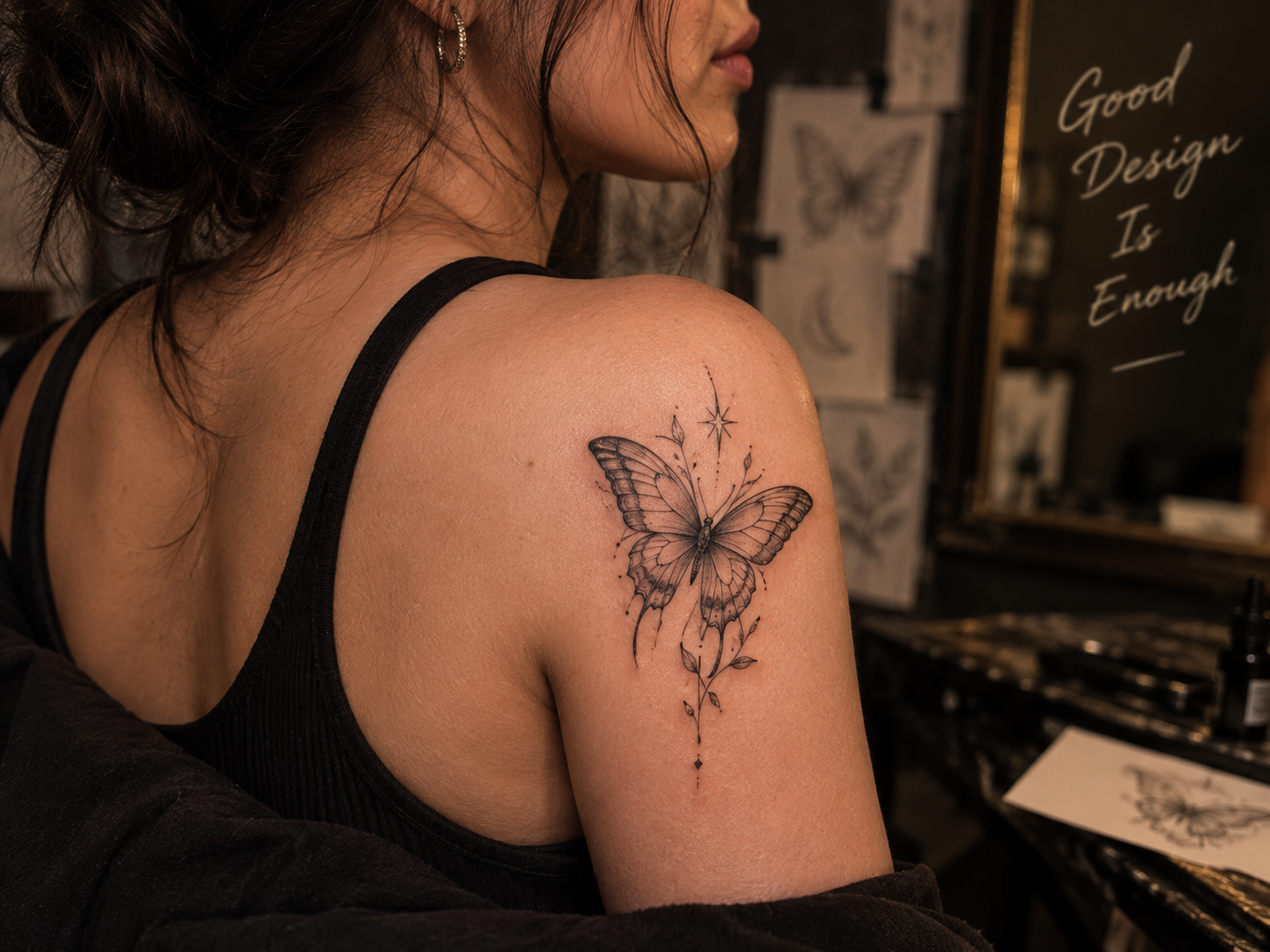
Then start there. You might love a particular style of lettering. You might be drawn to fine-line botanical work. You might like bold black shapes, realism, ornamental composition, geometric work or an unusual piece of abstract art. You do not have to turn that preference into a hidden message before an artist can take it seriously. For example, you might love a small moth because its wings have a beautiful shape. You might want a botanical tattoo because you like the way leaves move with the body. You might be drawn to a particular typeface simply because its proportions feel right. None of those choices needs a secret explanation. What does deserve thought is how the idea becomes a tattoo: how large it should be, how much detail suits that scale, where the design should sit, and which artist is genuinely suited to the style. That is where “I love this” becomes a considered tattoo decision. A useful consultation can begin with aesthetics: What do you like? What do you dislike? Which references keep catching your eye? How delicate or bold should the work feel? Where do you imagine wearing it? How visible should it be? From there, an artist can help develop the idea. Sometimes a purely visual preference becomes personal during that process. Sometimes it remains exactly what it started as: artwork you wanted on your skin. Both outcomes are legitimate. Do not invent a sentimental story because you think a tattoo is supposed to have one. If you love the design, say that. If it reminds you of something, explain that. If you are still figuring it out, say that too. A good consultation does not require you to perform a deeper meaning for the artist.
The tattoos that look “meaningless” to everyone else may be meaningful to you
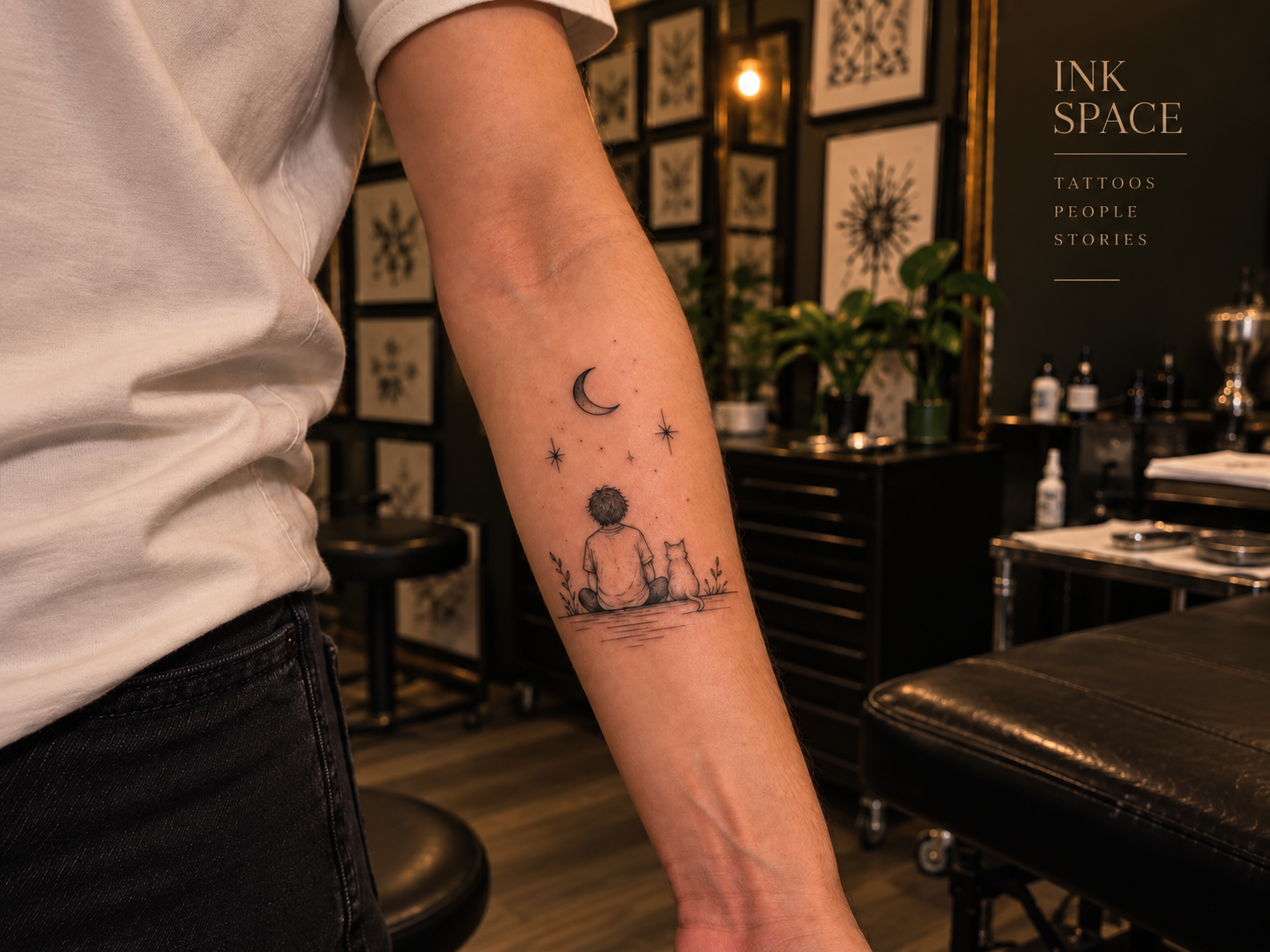
There is another problem with the idea that a tattoo needs meaning: meaning is often invisible. A tiny line drawing of a cup might look like a cup to everyone else. For the wearer, it might be the glass used every morning in a childhood kitchen. A small coordinate set might look like numbers. To the person wearing it, those numbers might point to the street where their life changed. Even a tattoo that appears completely decorative can have a private reason behind it. A line of handwriting may belong to someone important. An ordinary object may remind the wearer of a particular home, journey or period of life. A photograph may have no obvious symbolism at all, yet the person who lived the moment knows exactly why it matters. You do not owe strangers the explanation. Some of the strongest personal tattoos are the ones that do not announce their story. Tattoo scholarship has repeatedly treated tattooing as a form of self-expression and identity construction, but that does not mean every tattoo has to communicate a decipherable message to an observer. Meaning can exist between the wearer and the image without becoming public information. A tattoo can be personal without being explanatory. You can keep the story to yourself.
Where meaning really does matter: when the symbol carries meaning beyond you
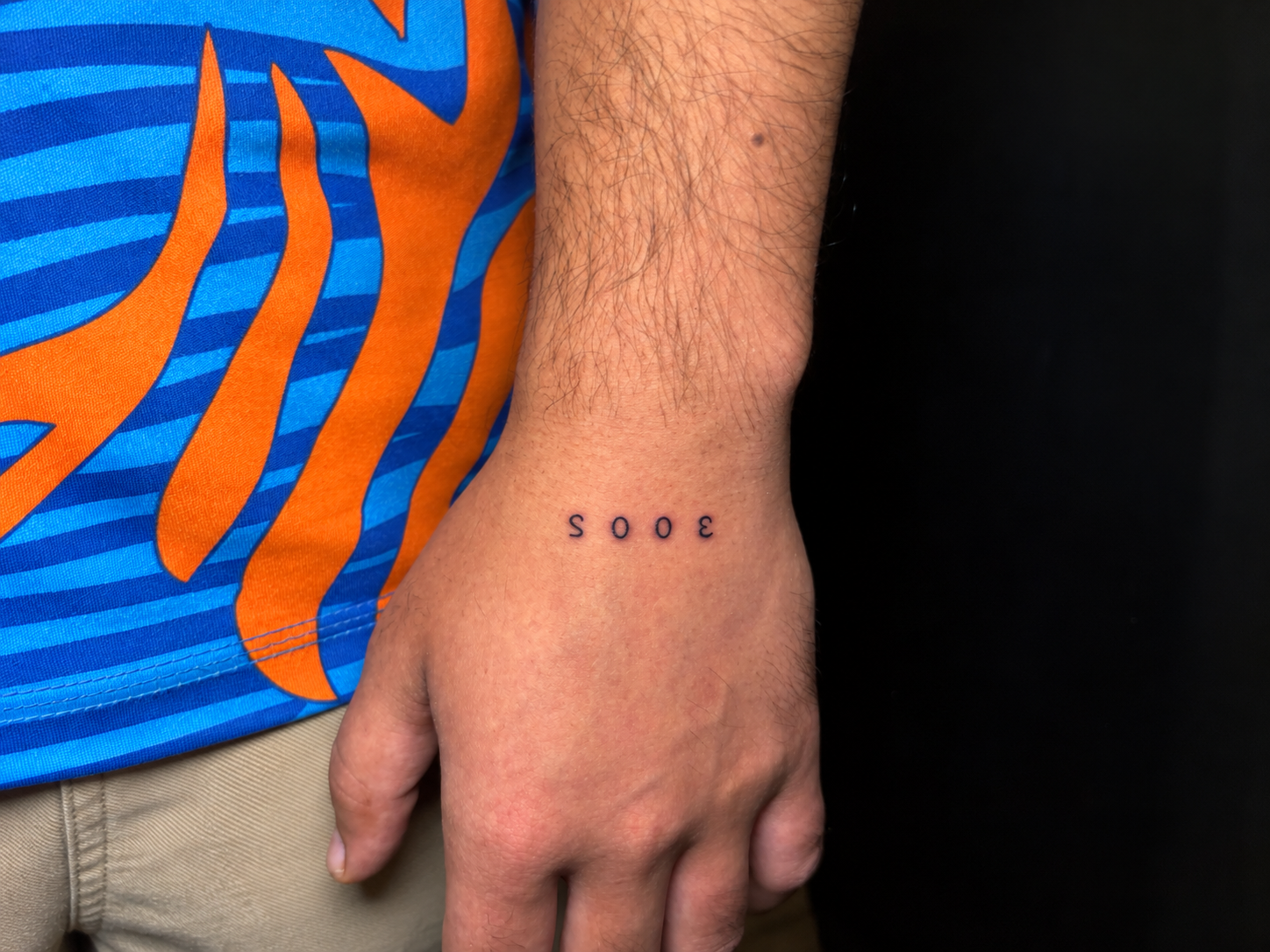
There is one area where “meaning” deserves more attention: when you are choosing imagery that already carries cultural, religious or community-specific significance. A symbol may mean something to you because you like its appearance while carrying a very different weight within the tradition it comes from. That is especially relevant when choosing religious imagery, sacred text, deities, traditional or community-specific motifs, or designs associated with particular cultural practices. In those cases, learning the context is part of making a respectful decision. The point is not that every person must avoid imagery from a culture that is not their own. It is that aesthetic attraction is not the whole story when an image already has a history. This is also where an experienced tattoo artist can be useful. A consultation can help separate “I like how this looks” from “I understand what this represents.” Sometimes the best solution is to keep the visual quality you were drawn to while developing an original design that does not casually borrow a sacred or culturally specific symbol. Personal taste is enough to begin a tattoo conversation. It is not an excuse to ignore context.
A better question than “What does it mean?”

If you are deciding whether to get a tattoo, try replacing one question with three. Do I genuinely like the artwork? Do I like the idea of living with it? And, if the design carries a specific cultural or symbolic meaning, do I understand what I am choosing? Those questions are more useful than trying to manufacture a profound story. They leave room for the many reasons people actually get tattooed. You might want to remember someone. You might want to mark a transition. You might want to celebrate something. You might want a piece of art simply because it looks incredible. Sometimes the reason is emotional. Sometimes it is aesthetic. Sometimes it is simply visual curiosity. Sometimes it is both. The goal is not to make every tattoo sound important. The goal is to make the decision honest. That honesty also makes the conversation with your artist better. Instead of arriving with a forced explanation, you can talk about what you actually respond to: linework, composition, subject, feeling, scale, placement, reference images and the things you definitely do not want. There is a quiet freedom in admitting that. Not every permanent decision needs a dramatic justification. A tattoo can carry a story. It can carry several stories. Its meaning can change. It can be private. It can be obvious. It can be beautiful for no reason beyond the fact that you find it beautiful. What matters is not whether the tattoo passes somebody else's test for significance. What matters is whether the choice feels right to the person who has to live with it. A meaningful tattoo is not automatically a good tattoo, and a beautiful tattoo is not automatically a careless one. The better standard is whether the idea, the artwork and the decision to live with it all make sense to you. That is also why the quality of the artwork matters. If meaning is not doing all the work, the design itself has to stand on its own. Proportion, placement, line quality, composition and execution become even more important. A tattoo does not become meaningful because an artist tells you that it is. And it does not become meaningless because you cannot explain it in one sentence. Sometimes you simply saw something, loved it, and decided you wanted to keep it.
Related reading
- Your Tattoo Artist Is Not Supposed to Copy Your Reference — Here's What You Should Actually Ask For
- Can You Get a Tattoo During Summer in India? Honest Guide by a Delhi Tattoo Artist
- From Consultation to Last Wipe: What Actually Happens in a Tattoo Session
Final Takeaway
A tattoo does not need a profound story to deserve a place on your skin. Meaning can be a wonderful reason to get tattooed. So can memory, identity, celebration, change or connection. But beauty is a reason too. Curiosity is a reason. Taste is a reason. The real question is not whether you can give your tattoo a meaningful explanation when someone asks about it. It is whether you have made a decision you are comfortable living with. If you love the artwork, understand the choice, respect the context when the imagery carries a deeper history, and have worked with an artist who can translate the idea properly onto your body, you do not need to invent a more impressive reason. Sometimes “I loved it” is not the absence of meaning. Sometimes that is the meaning.
Artist Advice
Professional advice: a client does not need to arrive with a dramatic story for a tattoo to be worth designing. A strong consultation can begin with visual references, style, placement, scale and the details the client responds to. If there is a personal story behind the idea, that can help shape the work, but it should not be forced. The more useful goal is clarity. Understand what you like about the reference, why you want it on your body, and what you want the finished tattoo to feel like. From there, an artist can develop artwork that works as a tattoo rather than simply reproducing an image from a screen. For imagery with religious, cultural or community-specific meaning, take the extra step of understanding the context. Good tattooing is not only about making an image look good; it is also about making thoughtful decisions about what that image represents.
Frequently Asked Questions
Does every tattoo need to have a deep meaning?
No. A tattoo can commemorate a person or experience, express identity, or simply be an artwork you genuinely love. Aesthetic appreciation is a valid reason to choose a tattoo, provided you have thought carefully about the permanence of the decision.
Is it okay to get a tattoo just because I like the design?
Yes. Liking the design is a legitimate starting point. Because tattoos are permanent, it is still worth considering whether you like the artwork itself rather than only the reference photo, and whether the size, placement, style and artist are right for you.
Can a tattoo's meaning change over time?
Yes. A tattoo can take on new associations as your life changes. Research on tattoos and identity has described meanings connected to self, relationships, life events and change, so the meaning you give a tattoo does not have to remain fixed forever.
Should I consider the meaning of a tattoo if it uses cultural or religious imagery?
Yes. If an image has established religious, sacred, cultural or community-specific significance, learn its context before choosing it. You can still be inspired by an aesthetic or idea, but understanding what the imagery represents helps you make a more respectful and informed decision.