In the first few days after getting a tattoo, your skin will show redness, swelling, and some oozing. This is a normal part of the healing process. At Inkspace Tattoo Studio, we observe that Delhi's humidity can prolong the initial healing stage, often affecting how quickly these symptoms subside. Typically, redness and swelling last 1-3 days, with oozing peaking on day 2.
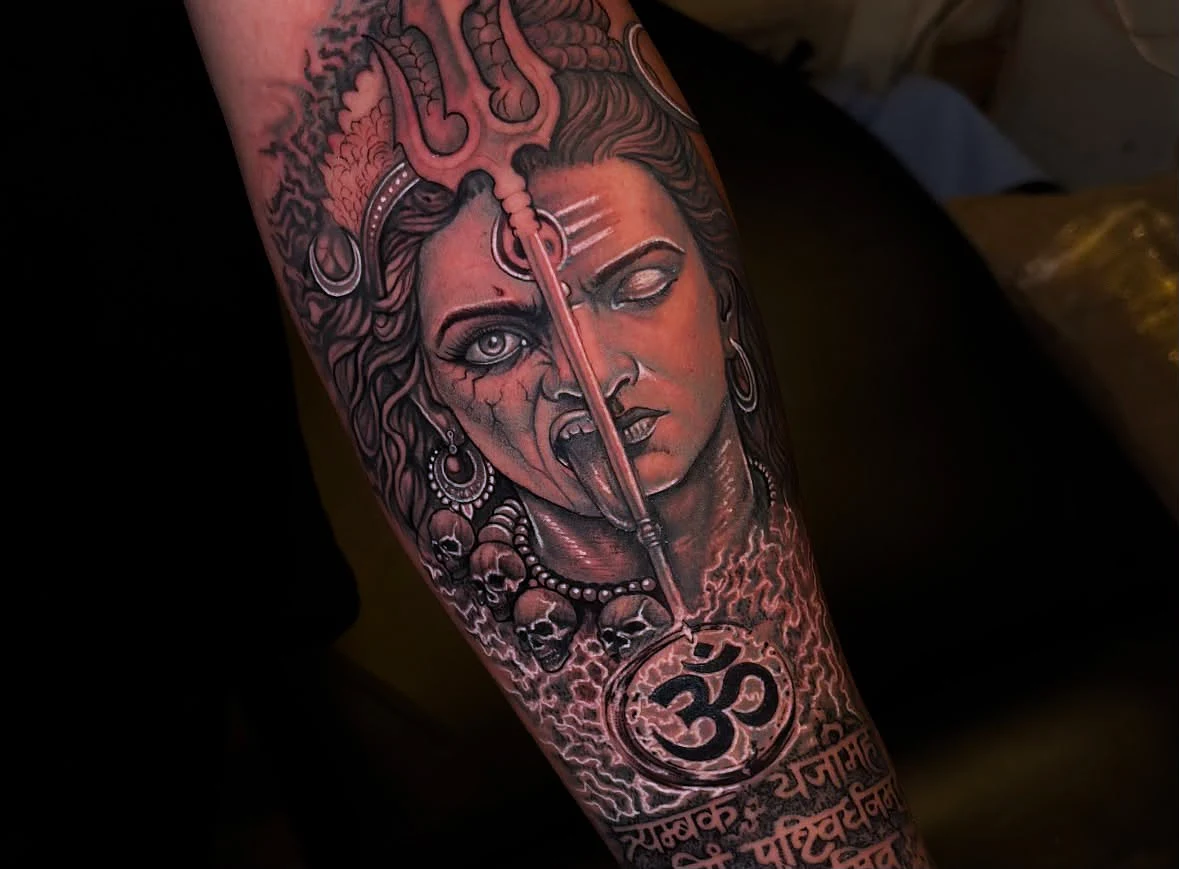
During consultations, we usually explain to clients that maintaining a clean environment is crucial. Use a gentle, unscented soap to clean the area and avoid direct exposure to sunlight and water. Keeping the tattoo moisturized with a recommended product will aid in the healing process.
The [first](/blog/how-to-choose-your-first-tattoo) few days set the foundation for how well your tattoo will look in the future. In a city like Delhi, where air quality can fluctuate, it's important to protect your skin from pollutants. Avoid crowded places where your fresh tattoo might rub against surfaces or clothing.
Adapting Tattoo Aftercare to Delhi's Climate
Delhi's weather, particularly its humidity, can impact how a tattoo heals. During humid months, tattoos may take longer to dry, which can increase the risk of infection. It's vital to ensure the tattoo stays clean and dry. In contrast, during drier seasons, you may need to moisturize more frequently to prevent excessive drying and cracking. Skin type also plays a role; those with oily skin might find their tattoos less dry, while individuals with dry skin should be more vigilant about moisturizing.
Understanding the healing process is crucial. A tattoo is a controlled wound. The ink goes into the dermis, but the epidermis above it is disturbed. The outer skin layer sheds like a sunburn as it repairs, while the tattooed skin heals normally underneath. This is why [aftercare](/blog?cluster=tattoo-aftercare) is essential, especially in Delhi's varying climate conditions.
For a step-by-step guide: 1. Clean the tattoo gently twice daily with unscented soap and water. 2. During humid months, allow extra time for the tattoo to air dry after cleaning. 3. In dry seasons, apply a thin layer of moisturizer more frequently to prevent cracking. 4. Always keep the tattoo out of direct sunlight and avoid tight clothing that might irritate the area.
As your tattoo progresses to the scabbing period, which often starts around days 3-7, you'll notice scabs forming. This can be alarming, but it's a natural part of the tattoo healing process. Many first-time clients at Inkspace worry about scabbing, fearing it might damage the artwork.
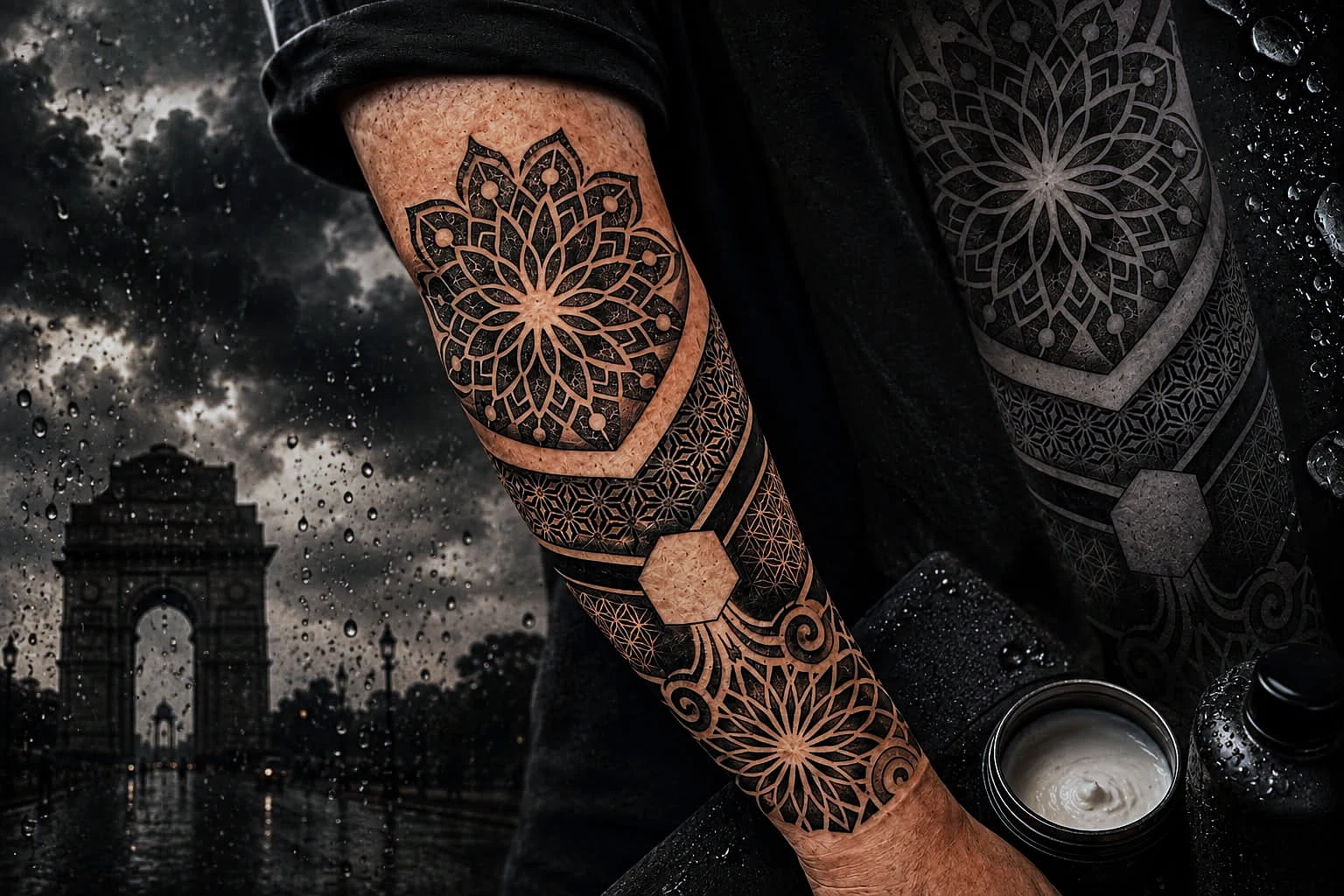
It's crucial not to pick at the scabs, as doing so can lead to scarring or color loss. Let them fall off naturally. This stage requires patience and gentle care. Keeping the tattoo moisturized helps prevent the scabs from drying out too much, which can be uncomfortable.
Clients often ask about signs of infection during this stage, which leads us to the next important topic. The scabbing period is also when the tattoo may look less vibrant, causing concern. Rest assured, this is temporary. As the scabs fall off, the colors will slowly return to their intended vibrancy.
Recognizing Signs of Infection Early
Recognizing signs of infection early can prevent more serious issues. Infections can occur if aftercare isn't followed properly, and Delhi's climate can exacerbate these problems. Look out for excessive redness, pus, and prolonged swelling.
Many clients are unsure about differentiating between normal healing symptoms and infection. At Inkspace, we emphasize that while some redness is typical, it should gradually decrease. If it worsens or is accompanied by severe pain or fever, seek medical advice.
Different skin types react differently to infections. Oily skin may mask redness, while dry skin might show more flaking. Tattoos on joints or areas prone to movement may take longer to heal. Delhi's heat can cause more sweating, increasing infection risks, so extra care is needed to keep the tattoo dry and clean.
Step-by-step care for early infection signs: 1. Clean the tattoo gently with mild soap and water twice a day. 2. Pat dry with a clean towel. 3. Apply a thin layer of antibacterial ointment. 4. Avoid tight clothing and let the tattoo breathe. 5. Seek medical advice if symptoms persist after 48 hours.
Keeping the tattoo clean and dry is your best defense against infection. In a bustling area like Hauz Khas Village, it's easy to get caught up in daily activities, but remember that rest is a crucial part of healing.
By the two-week mark, most tattoos enter the peeling stage, which reveals new skin beneath the scabs. This is a critical stage in the tattoo healing process. Many clients at Inkspace report anxiety during this time due to the changing appearance of their tattoo.
Peeling typically starts around day 7 and can last until day 14. It's important to continue moisturizing and to avoid scratching the area. The new skin will gradually improve the tattoo's appearance, making it look more vibrant as it heals.
This phase is a sign that you're nearing the end of the healing process. As the tattoo peels, you might experience itching, which is a sign of healing. Resist the urge to scratch, as this can cause damage.
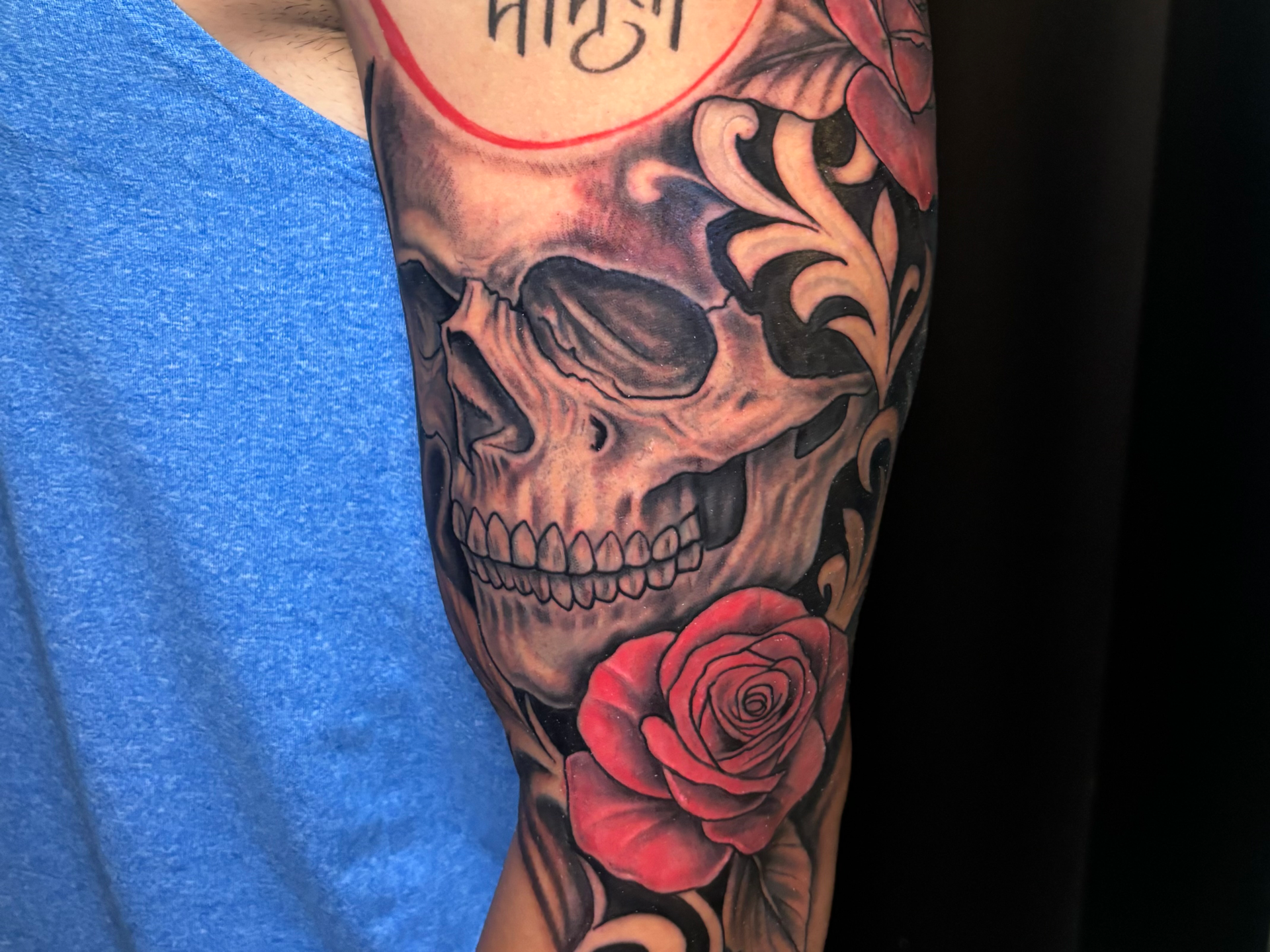
After 30 days, a well-healed tattoo should have settled colors and no irritation. At Inkspace, we find that the final result depends significantly on skin type and [aftercare](/encyclopedia/tattoo-aftercare).
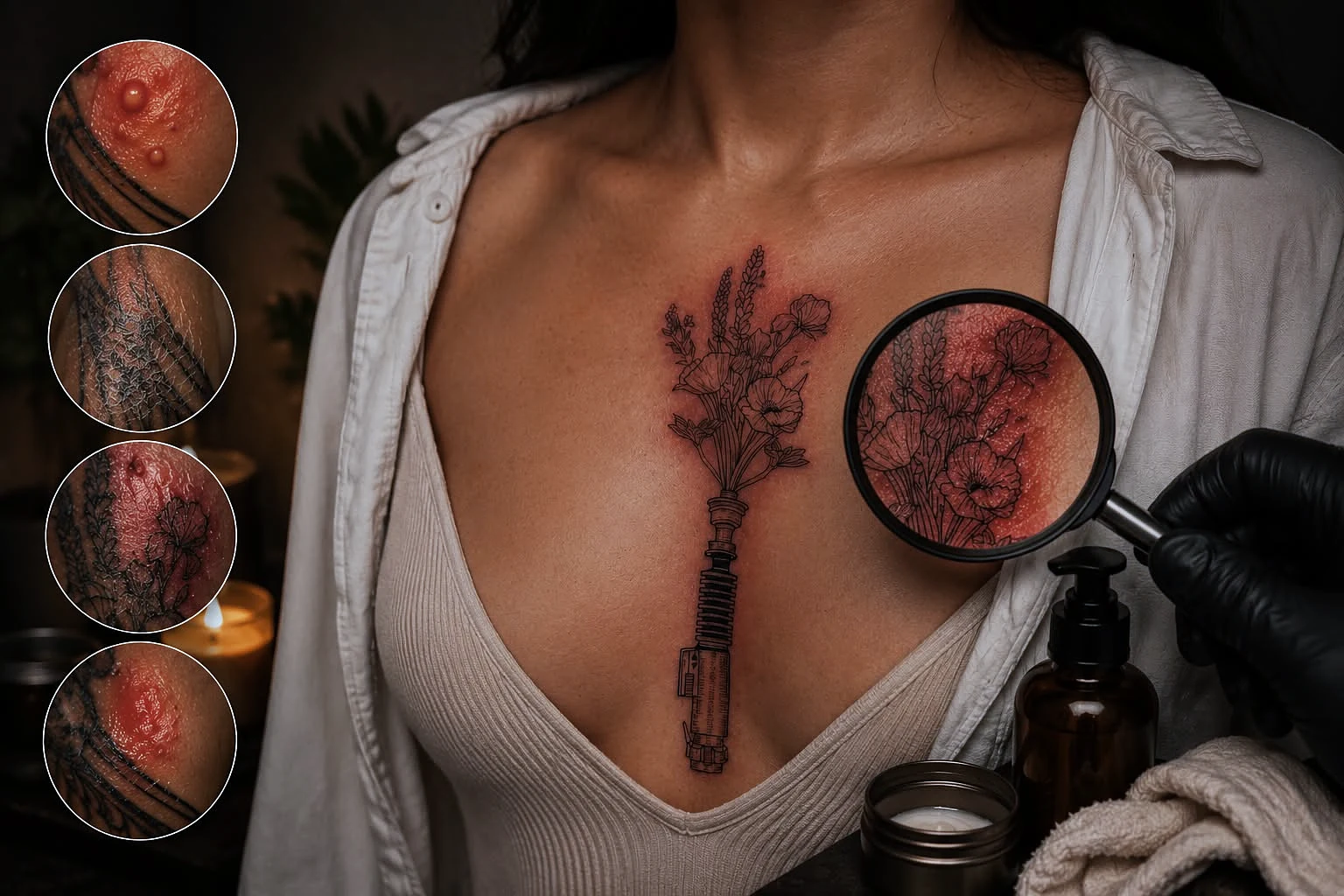
A fully healed tattoo will have a smooth texture and consistent color. It's crucial to continue protecting it from sun exposure to maintain its vibrancy. For those interested in seeing more examples of healed tattoos, you can view our portfolio. Over time, tattoos can fade due to sun exposure and other environmental factors.
Using sunscreen on your tattooed skin can significantly extend the life of your tattoo's vibrancy.
Frequently Asked Questions
How long does tattoo healing typically take?
The tattoo healing process generally takes about 4-6 weeks. However, this can vary based on the tattoo's size, location, and your skin type. Proper aftercare is key to a smooth healing process.
What products should I use during the healing process?
Use a gentle, unscented soap and a recommended tattoo moisturizer. Avoid products with alcohol or fragrances, as they can irritate the skin. Inkspace artists' insights often suggest products specifically designed for tattoo aftercare.
Is it normal for my tattoo to itch during healing?
Yes, itching is a normal part of the healing process, especially during the peeling stage. Resist the urge to scratch, as this can damage the tattoo. Moisturizing can help reduce itchiness.
When can I start exercising after getting a tattoo?
It's best to avoid strenuous exercise that causes excessive sweating for at least a week. This helps prevent infection and ensures the tattoo doesn't get irritated while it's healing.
How do I know if my tattoo is infected?
Signs of infection include excessive redness, pus, severe pain, and prolonged swelling. If you notice these symptoms, contact a professional immediately to address the issue.
Can I swim or shower with a new tattoo?
Avoid swimming and soaking in baths until your tattoo is fully healed. It's okay to shower, but keep your tattoo out of direct water flow and avoid using harsh soaps.
What should I do if my tattoo scab falls off prematurely?
If a scab falls off prematurely, keep the area clean and moisturized. Avoid picking at other scabs, and monitor the area for signs of infection. If you're concerned, book a consultation for personalized advice.
How does Delhi's pollution affect tattoo healing?
Delhi's air pollution can slow tattoo healing by introducing more irritants to the skin. To protect your tattoo, keep it covered when outdoors, and clean it gently after exposure to polluted areas. This helps prevent clogging of pores and potential infections.
How should tattoo care differ for various skin types during different Delhi seasons?
For oily skin, ensure the tattoo is cleaned regularly to prevent excess oil buildup, especially during humid months. For dry skin, increase moisturizing in dry seasons to prevent cracking. Adjust your aftercare routine based on the season to ensure optimal healing.