Choosing a tattoo artist is strange when you have never had a tattoo before. You can spend hours scrolling through Instagram and still have no idea what you are actually supposed to be looking for. One artist has beautiful photographs. Another has thousands of followers. A third is charging less. Someone else tells you their friend is really good. Then there is the bigger problem: the tattoo is permanent. You do not need to become a tattoo expert before booking your first appointment. You need to know how to judge the things that actually matter: whether the artist suits your style, whether their work holds up beyond the fresh photograph, whether the studio takes hygiene seriously, and whether the consultation feels like a genuine conversation about your tattoo rather than a quick transaction. Once you know what to look for, choosing an artist becomes much less mysterious.
Start With the Artist, Not the Tattoo
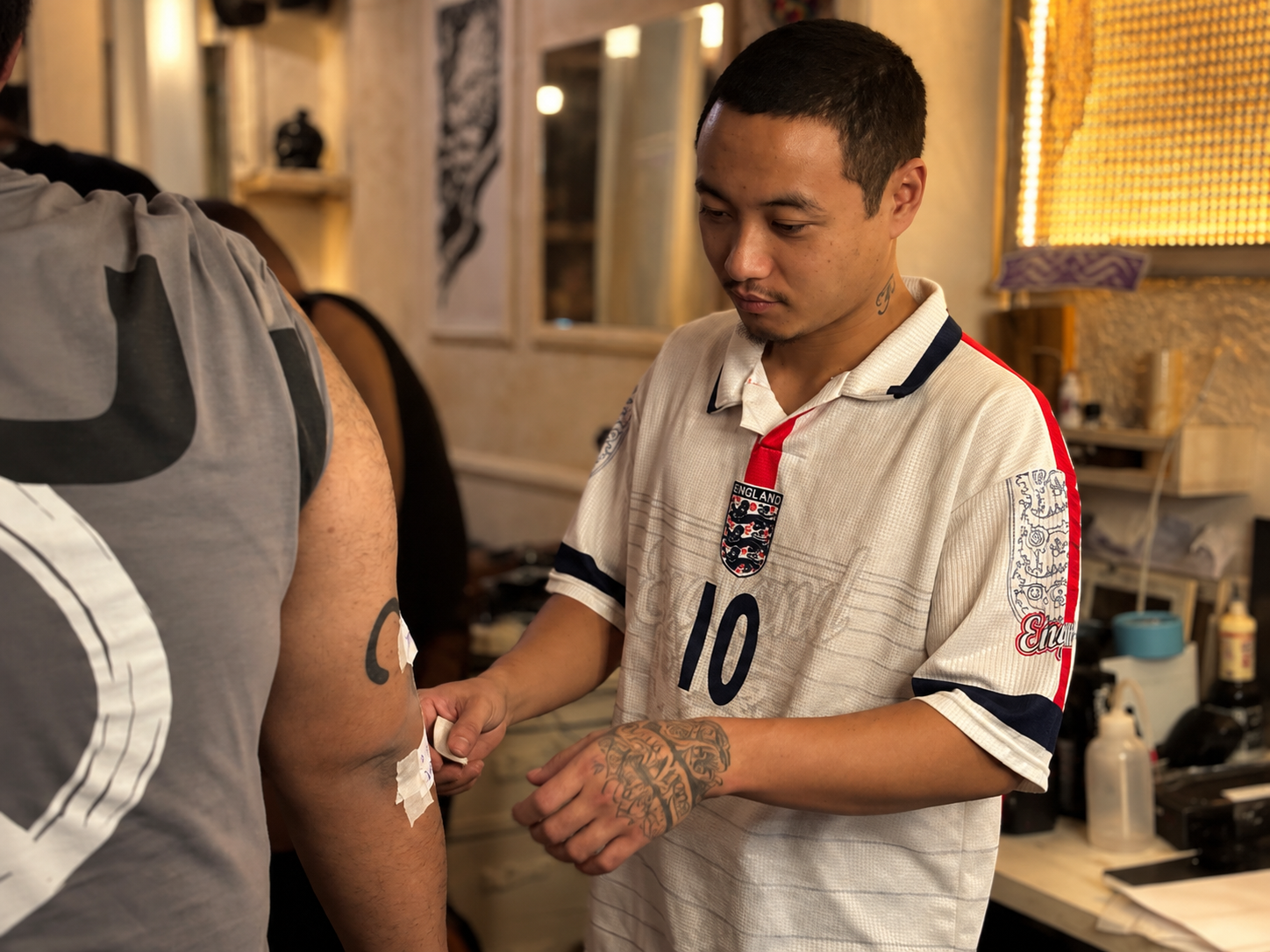
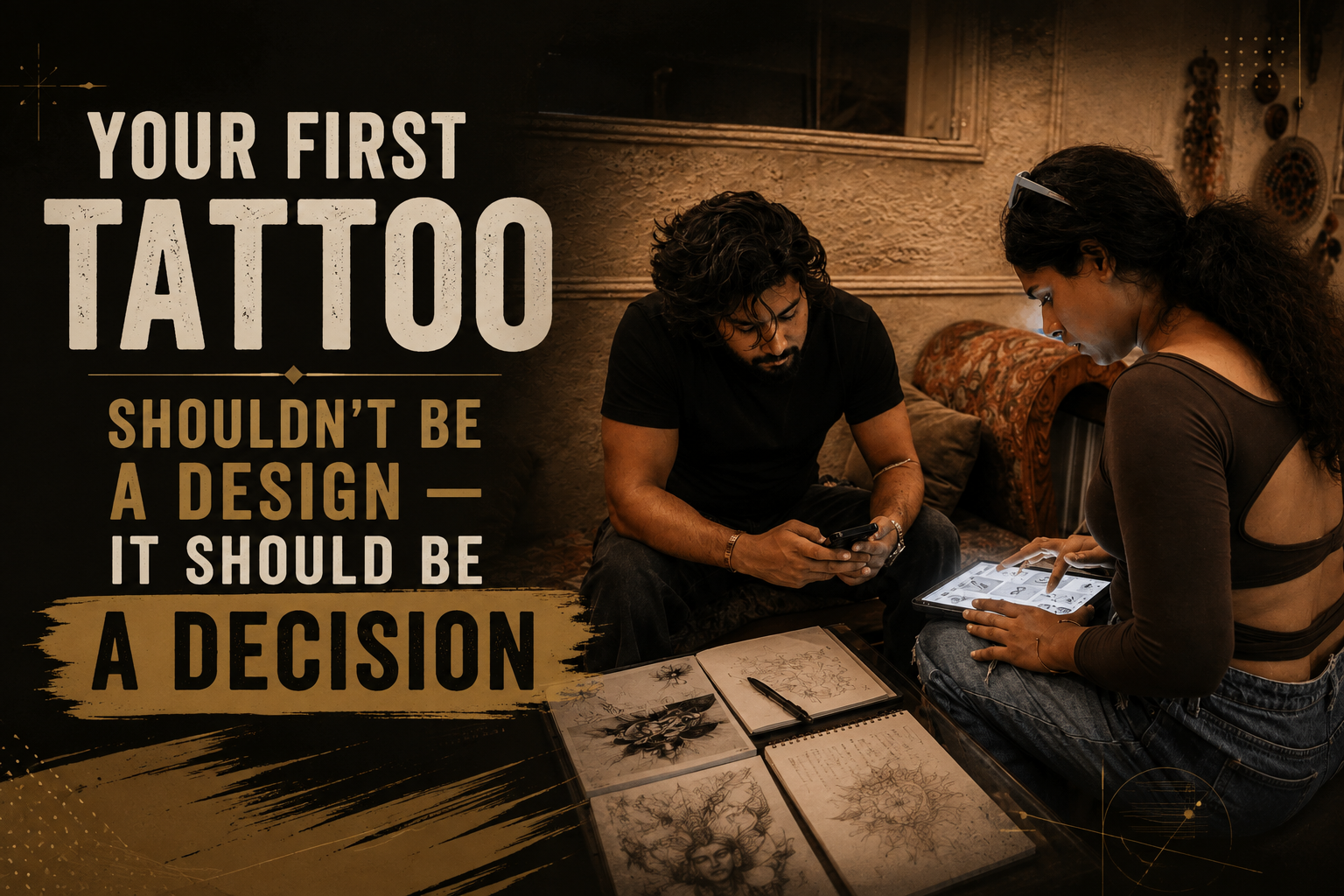
A first tattoo often begins with an image. You save a reference, screenshot a design, send it to a friend, and start imagining it on your arm. It is tempting to think the next step is simply finding someone who can copy it. That is usually the wrong starting point. A tattoo artist is not just the person holding the machine. They are the person translating an idea onto a moving, living surface, making decisions about scale, line weight, placement, contrast and detail along the way. Two artists can receive the same reference and produce tattoos that look completely different. So if you know almost nothing about tattooing, your first job is not to become an expert overnight. It is to learn how to recognize the right artist for the tattoo you want. You can do that without knowing tattoo jargon or being able to judge needle technique. Look carefully, ask sensible questions and pay attention to how the artist approaches your idea.
Choose an Artist for Their Style
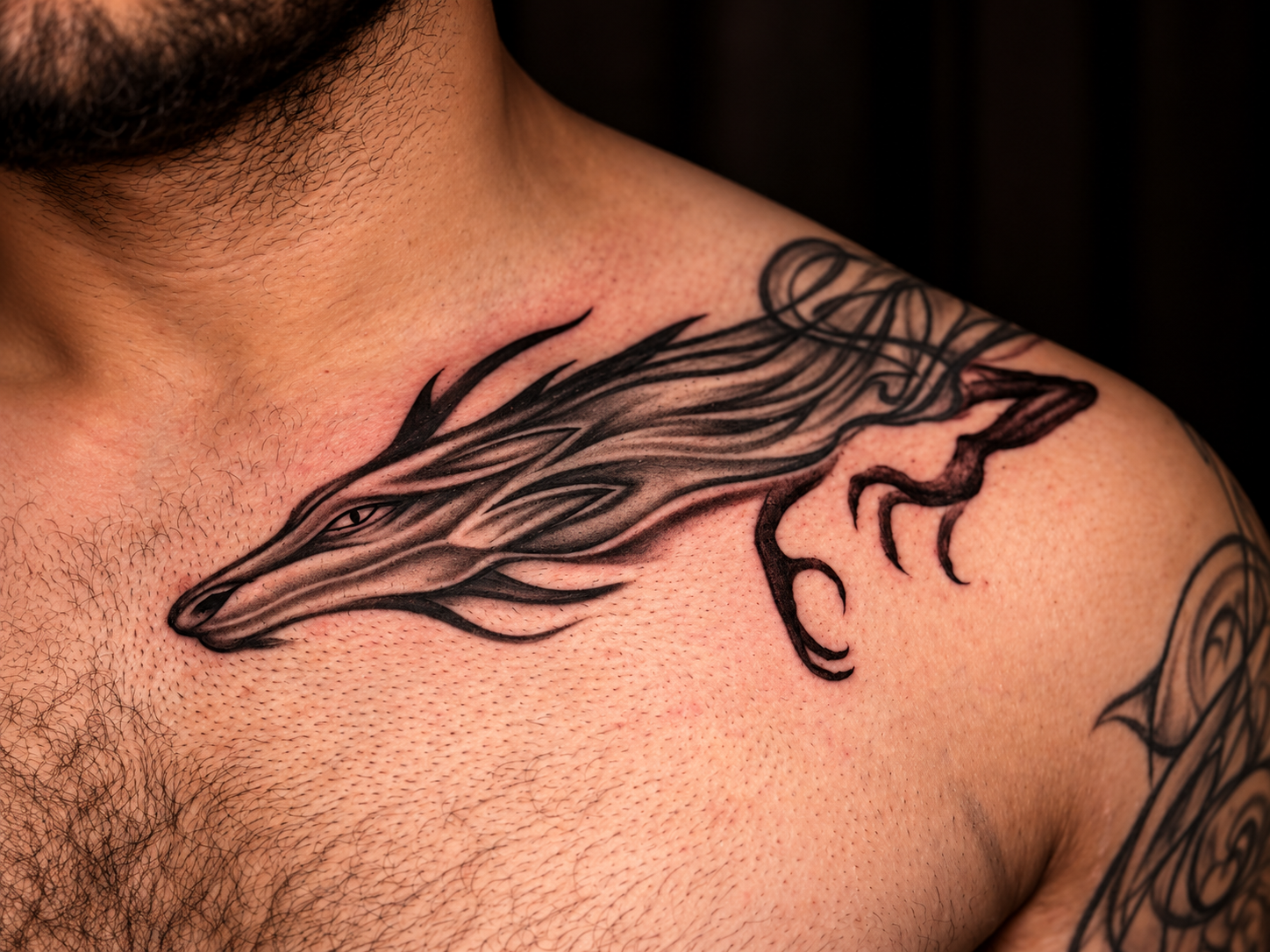
One of the easiest mistakes for a first-timer is choosing a studio first and an artist second. A studio may have several artists with very different strengths. Start with the kind of tattoo you want. Fine-line, realism, blackwork, ornamental, lettering, traditional and illustrative approaches all demand different design decisions. An artist who is excellent at one may not be the right person for another. Then study the portfolio. Do not only ask, “Are these tattoos good?” Ask, “Do I like the way this particular artist sees tattoos?” Look for consistency. If you want a delicate botanical tattoo, an artist whose portfolio repeatedly shows controlled linework, thoughtful spacing and convincing botanical forms is giving you more relevant evidence than an artist who has one fine-line piece mixed into a completely different portfolio. A strong portfolio should make you understand the artist’s visual language. You should be able to imagine your idea being interpreted through that language rather than hoping they can suddenly reproduce any style you send them. Your reference image is inspiration. The artist’s portfolio is evidence of what they can actually make.
Look Beyond the Fresh Tattoo Photos
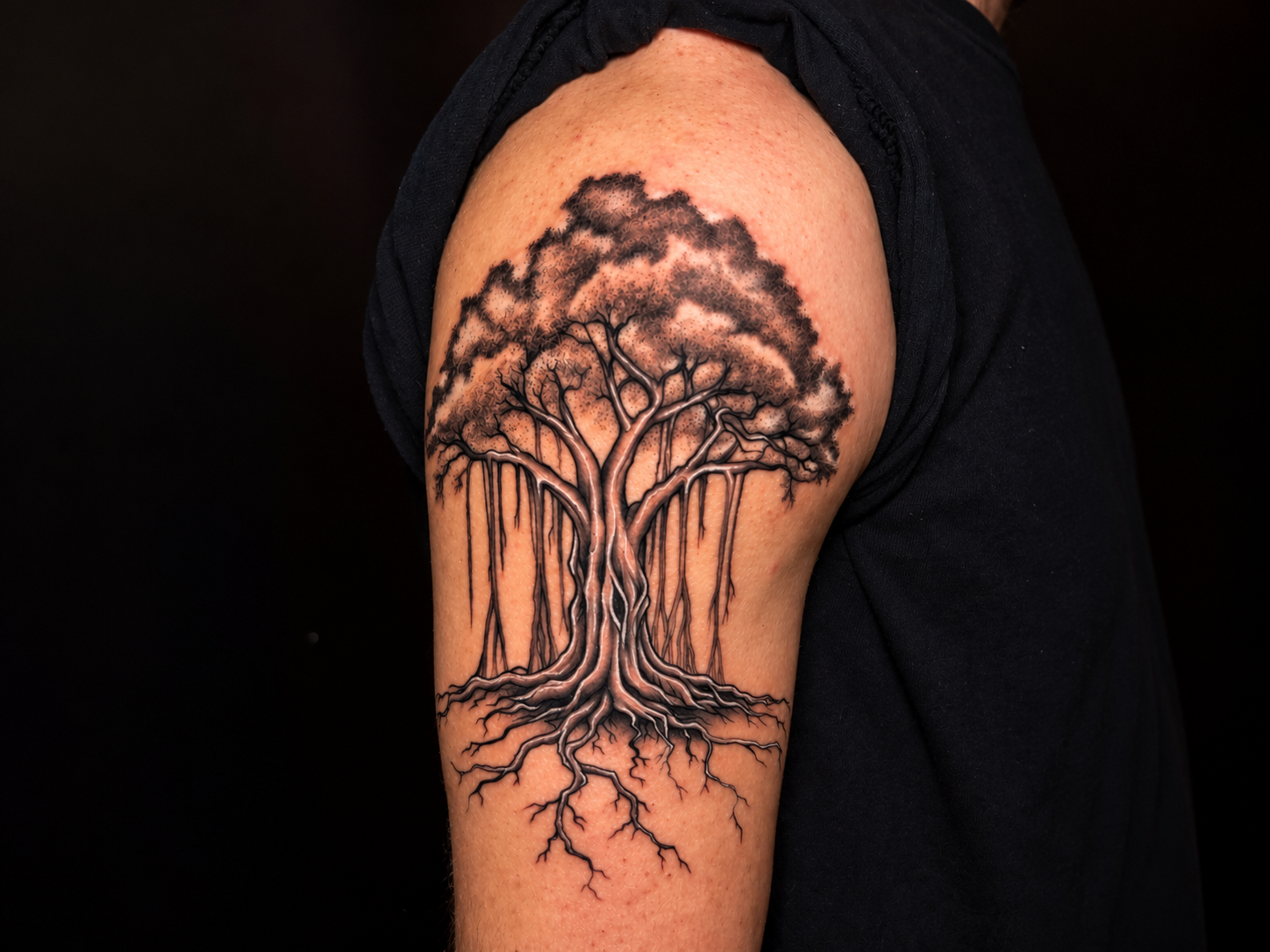
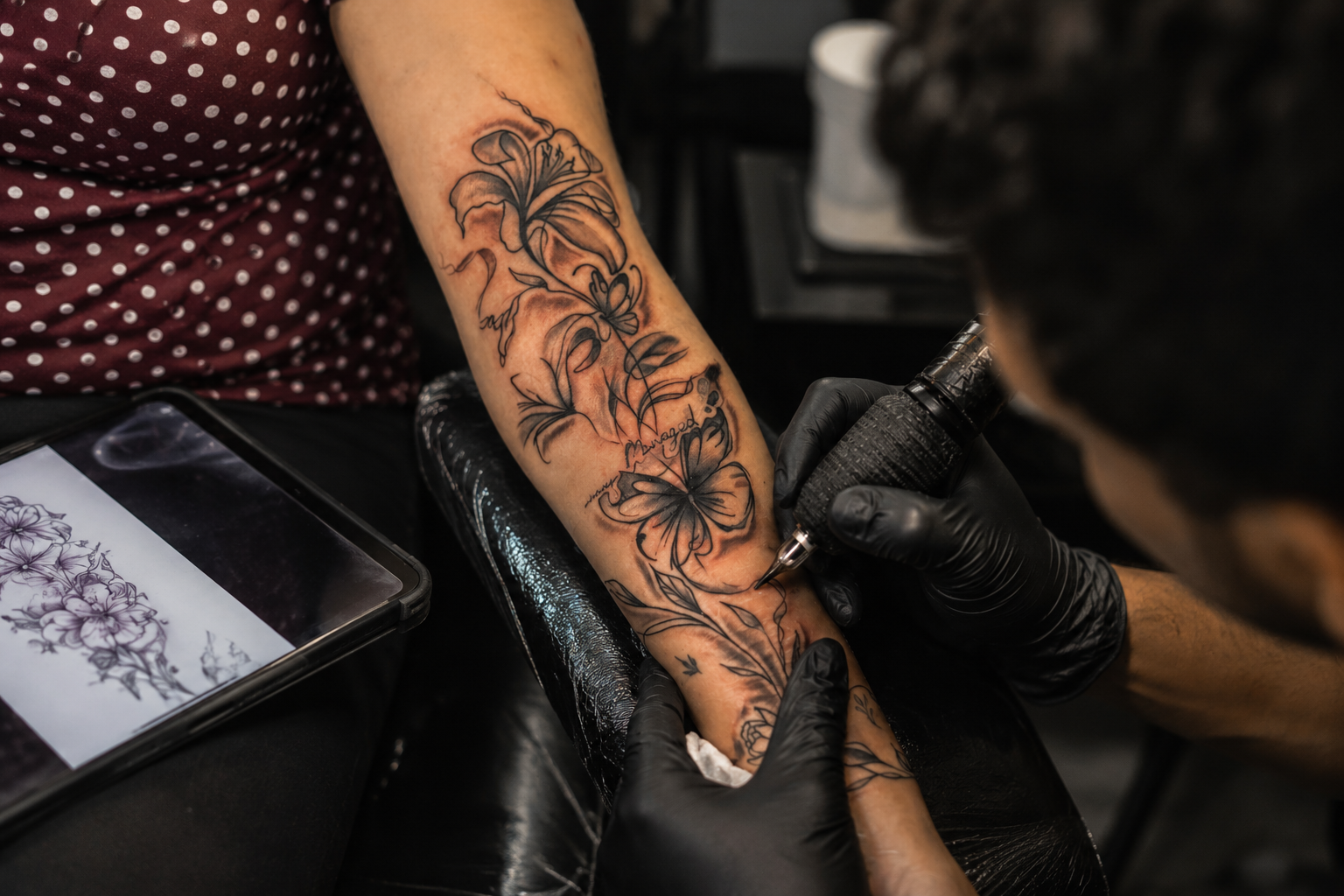
Fresh tattoos are exciting because they are designed to look their sharpest at that moment. The skin is clean, contrast is high and the photograph is usually taken immediately after the session. That is useful, but it is only part of the story. When choosing an artist, look for healed work when it is available. Healed photographs give you a better sense of how lines, shading, colour and detail settle into real skin. First-tattoo guidance also recommends examining healed work rather than judging an artist entirely from fresh photographs. This matters particularly if you are considering fine detail, small lettering or delicate work. The tattoo you love on Instagram is a fresh photograph; the tattoo you live with is the healed one. Also pay attention to whether portfolio images look heavily edited. Dramatic lighting, filters and extreme contrast can make tattoo photographs look very different from normal life. You are trying to understand the work, not the photography. If an artist can show a range of healed results, that gives you another useful piece of information before making your decision.
Look at the Shop as Carefully as the Portfolio
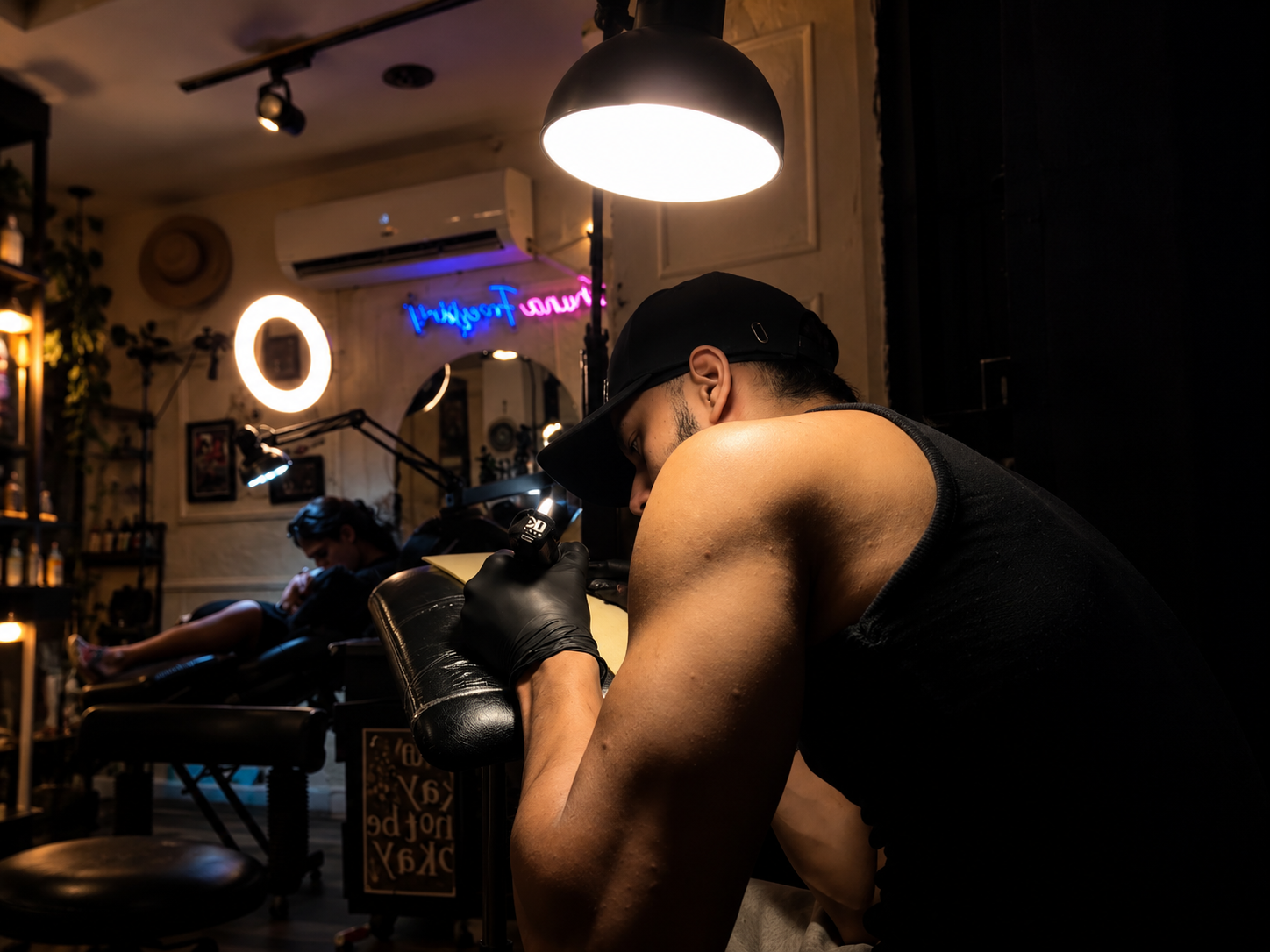
You are trusting someone with your skin, so the environment matters. A clean-looking workspace is not the whole definition of safe tattooing, but hygiene should never be treated as a minor detail. Professional dermatology guidance emphasizes appropriate infection-control practices, including suitable gloves, sterilization procedures and precautions around blood-borne exposure. As a client, you do not need to understand every sterilization process. You can still notice whether the artist works in an organized, clean environment and whether disposable items are handled appropriately. It is reasonable to ask how needles and other single-use items are handled. It is also reasonable to ask what aftercare information you will receive. A professional should be able to answer ordinary safety questions without making you feel difficult for asking. The same applies to the atmosphere. You are going to sit close to this person, sometimes for hours, while they permanently alter your skin. Feeling comfortable asking questions, taking a break when necessary and discussing changes to the design is part of the experience. A beautiful portfolio does not cancel out poor professionalism. Look at both.
Pay Attention to the Consultation
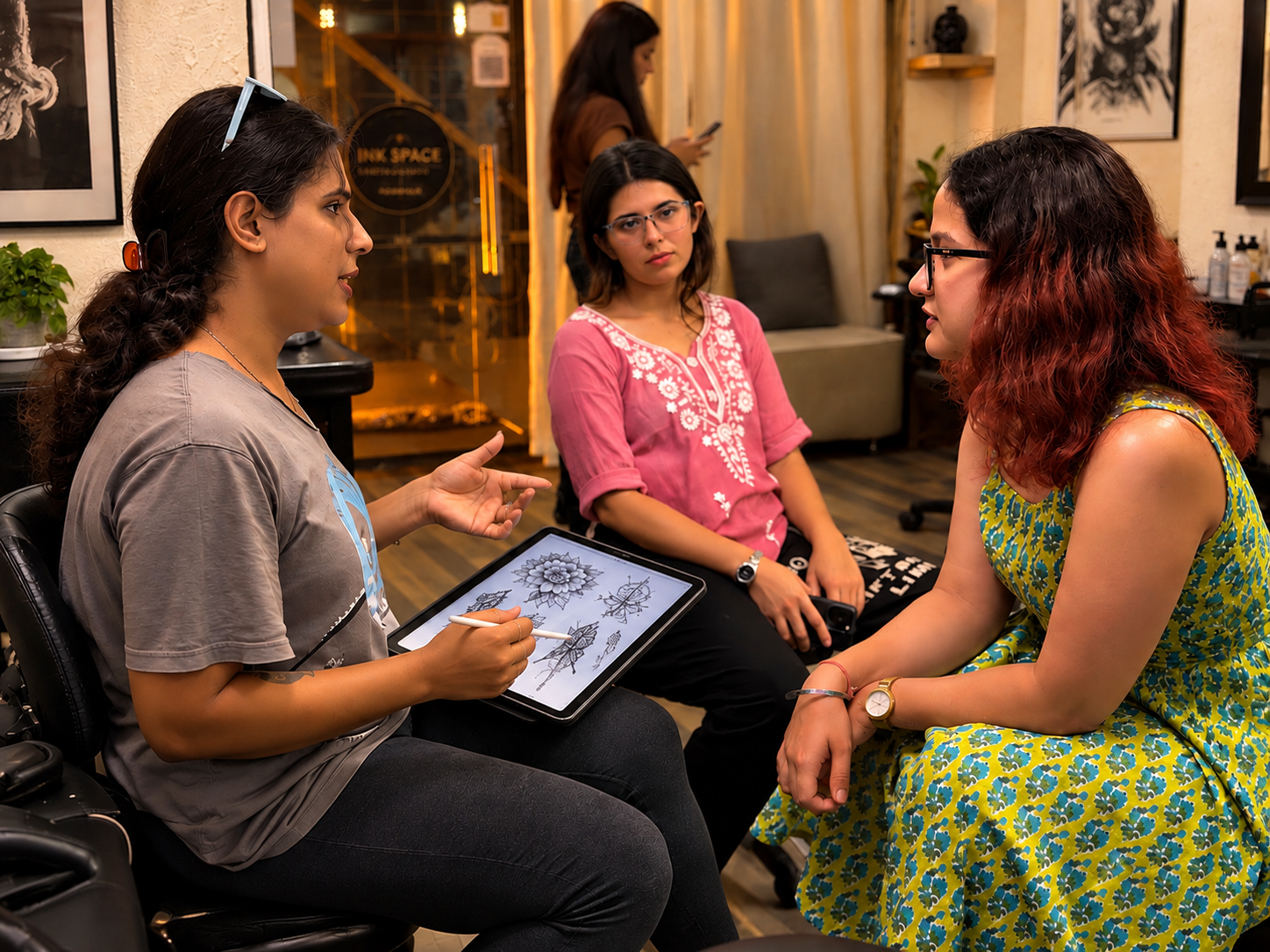
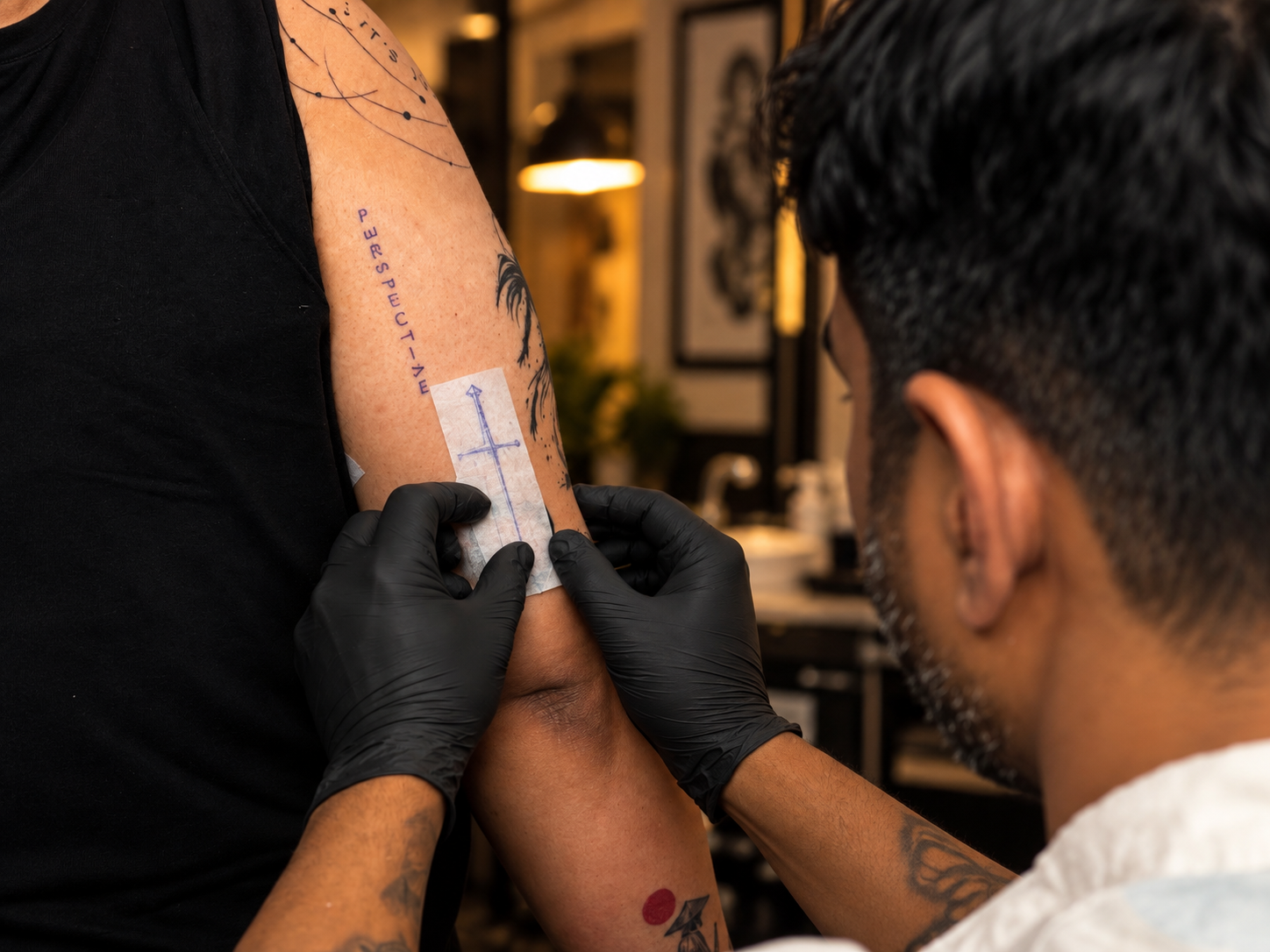
You can learn a surprising amount about an artist before a needle ever touches your skin. Tell them what you want, show them your references and explain what you like about them. Then listen to how they respond. A useful consultation should move beyond “Yes, we can do that.” The artist may ask about placement, size, visibility, existing tattoos, the amount of detail you want or how the design should sit with the shape of your body. That conversation matters because a tattoo is not a flat piece of artwork. Placement and size can affect how a design reads, and first-tattoo guidance commonly recommends discussing these decisions with the artist rather than treating them as fixed before the consultation. Do not be alarmed if the artist suggests changing part of your reference. Sometimes a better tattoo comes from changing proportions, simplifying a tiny detail, opening up negative space or adjusting placement. The useful question is not, “Will this artist copy my screenshot exactly?” It is, “Does this artist understand what I like, and can they turn that into something that works on my body?”
Do Not Choose Only by Price
Price is a real part of the decision. But for a first tattoo, comparing artists only by the number attached to a quote can hide the things you are actually paying for. Tattoo pricing can vary with the artist, design complexity, size, placement, session length and other factors. There is no single universal price that makes a tattoo good or bad. Instead of asking only, “How cheap can I get this?”, ask what the quote covers and how the artist arrived at it. Be cautious of treating a dramatically cheaper quote as automatically better value. A tattoo is unusually difficult to separate from its final result: if the work is poorly executed, changing it later may mean living with it, reworking it or pursuing removal. That does not mean the most expensive artist is automatically the right artist either. The useful comparison is between the tattoo you want, the artist’s relevant portfolio, the proposed design and the overall professional experience. For a first tattoo, clarity is more useful than chasing the lowest number.
Ask Questions Without Feeling Like a Beginner
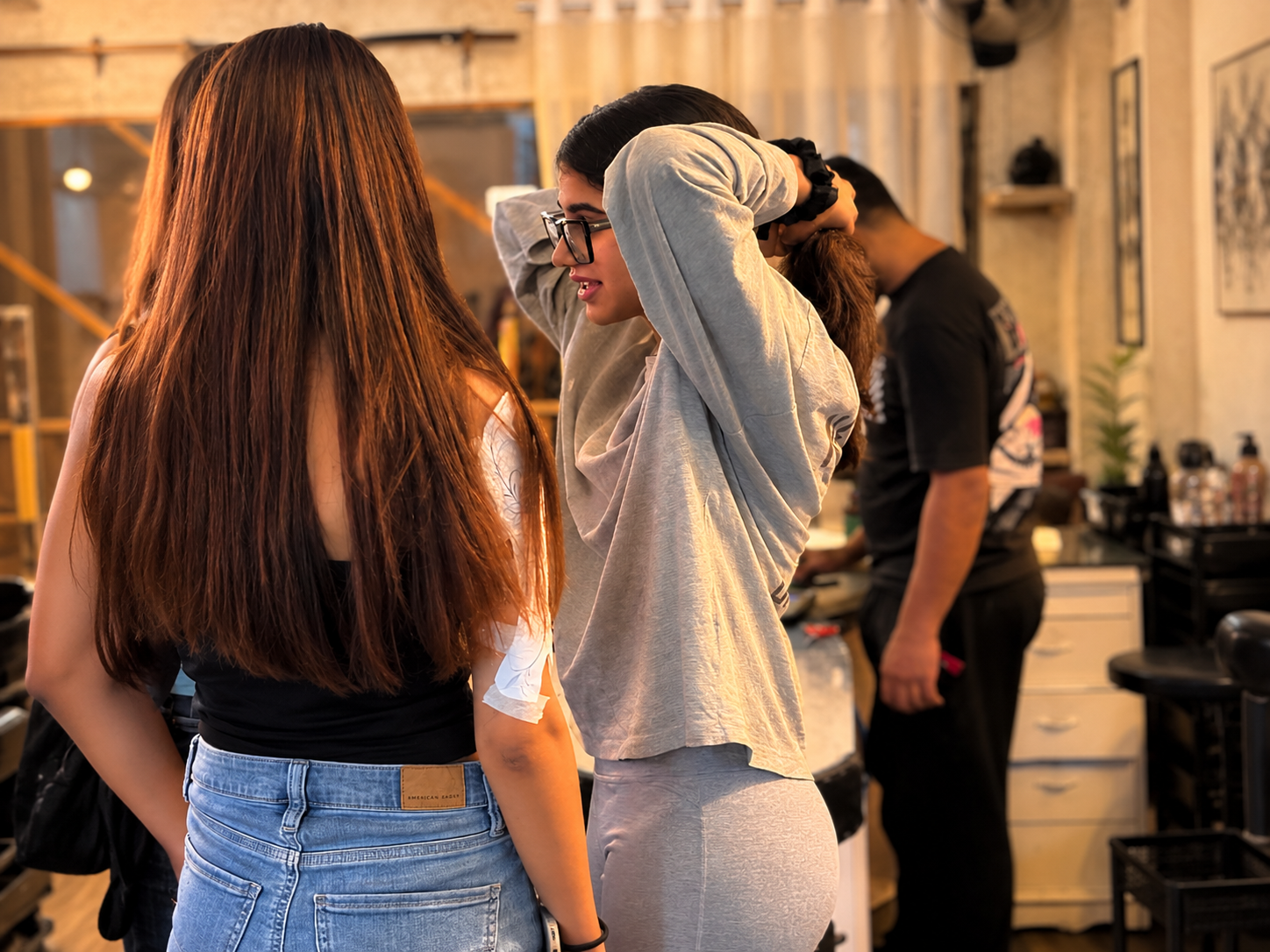
You are allowed to ask basic questions. In fact, if this is your first tattoo, you should. Ask how the artist approaches your design. Ask whether they recommend changing the size or placement. Ask what the expected session involves. Ask what aftercare they provide. If you are unsure about hygiene practices, ask about them. You can also ask to see healed examples of work similar to what you want. A good artist does not need you to arrive speaking like a tattooer. You are the client. Your responsibility is to communicate what you want and make an informed decision; the artist’s responsibility is to explain the artistic and practical decisions you need to understand. You should also feel comfortable saying that you need time to think. A permanent decision does not become better because you made it quickly. The right consultation often leaves you with fewer questions, not more confusion.
The Right Artist May Change Your Original Idea
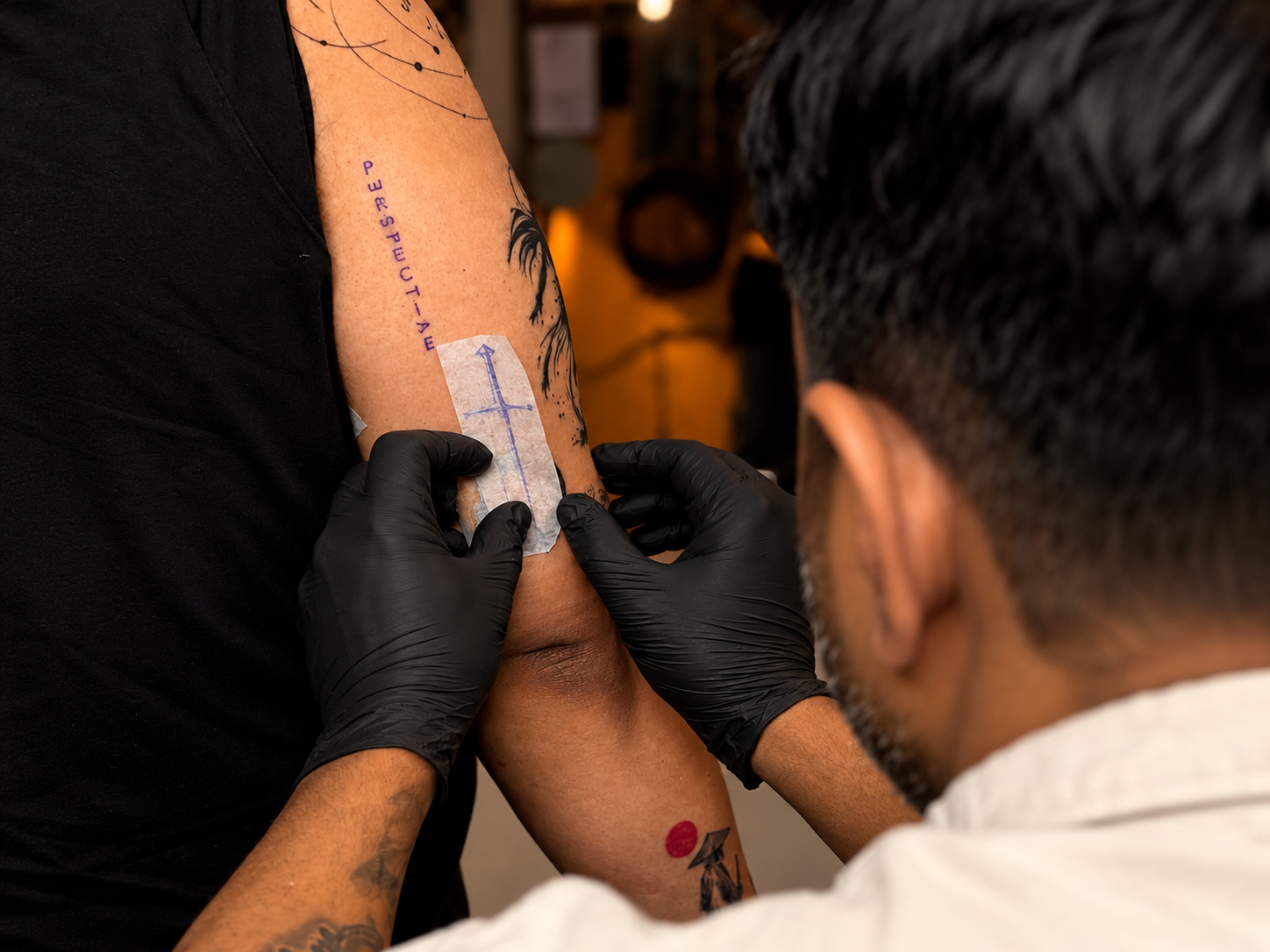
This is one of the hardest things for a first-timer to understand. You may arrive with a design that looks perfect on your phone. Then the artist tells you it needs to be larger, the placement should move slightly, a detail needs to be simplified, or the composition should be reshaped. That is not necessarily the artist ignoring your idea. It can be part of turning a reference into a tattoo. Skin has contours. Arms rotate. Shoulders curve. Knees bend. A design can stretch across movement and needs enough space for its important elements to remain readable. Some tiny details also become harder to distinguish as a tattoo changes with time. This is why strong tattoo consultations are collaborative rather than transactional. You bring the idea and visual direction. The artist brings knowledge of tattoo construction and how that idea can live on your body. If you chose an artist because you genuinely trust their work, their input should be part of what you are paying for.
A Simple Checklist Before You Book
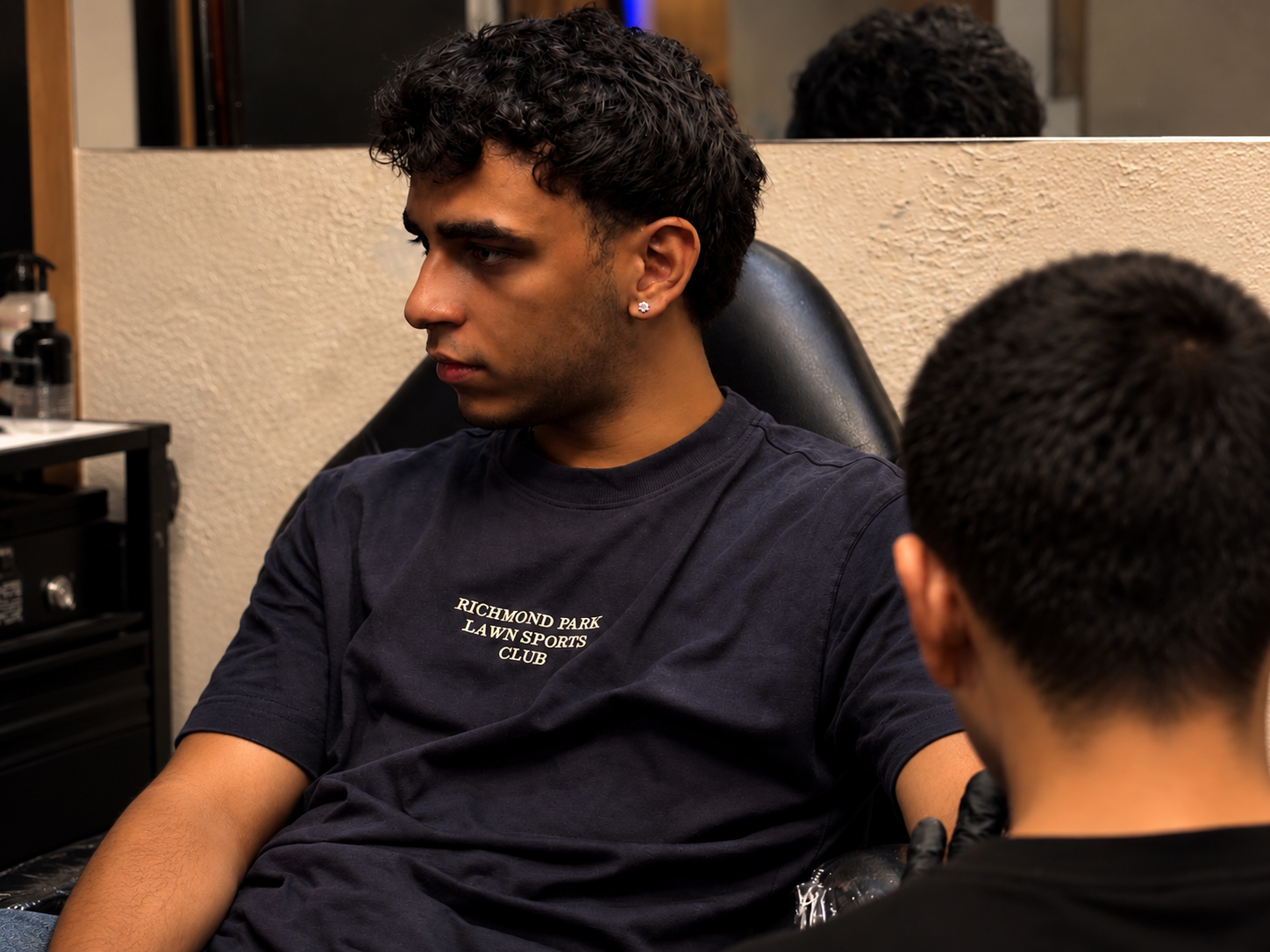
You do not need a complicated formula. Before committing, make sure you can answer a few straightforward questions. Do you genuinely like this artist’s work, rather than simply liking one photograph? Does their portfolio contain tattoos similar in style and complexity to what you want? Have you looked for healed examples? Have you discussed size and placement rather than deciding everything from a screen? Does the studio appear professional and hygienic, and are you comfortable asking about safety practices? Did the consultation leave you feeling heard and informed? Do you understand the quoted price and what is included? And perhaps most importantly: if the artist recommends changing something, do you understand why? If most of those answers are clear, you are no longer choosing an artist blindly. You are choosing based on evidence, communication and fit. That is really all a first-timer needs to begin.
Related reading
- Your Tattoo Artist Is Not a Mind Reader — Here's How to Explain What You Actually Want
- Your Tattoo Artist Is Not Supposed to Copy Your Reference — Here's What You Should Actually Ask For
- How to Design Your First Tattoo
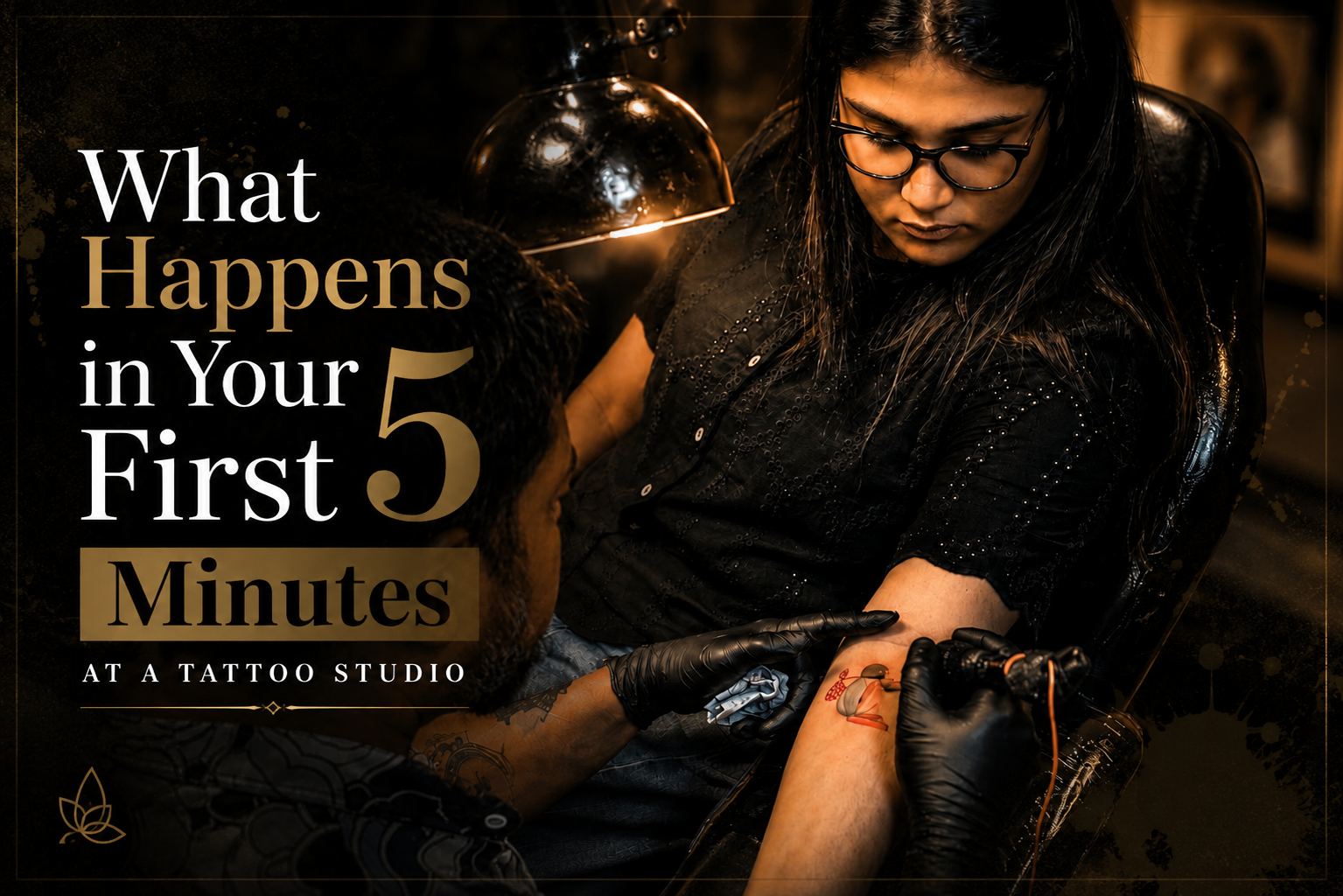
- What Happens in Your First 5 Minutes at a Tattoo Studio
Final Takeaway
One more thing is worth remembering: you are not only hiring a person to make a picture. You are choosing someone whose decisions will affect how that design sits, heals and fits into the rest of your life. The right tattoo artist is not simply the person who can reproduce the picture you saved. It is the person whose work you consistently trust, whose approach fits the tattoo you want, and who can explain how that idea should be adapted to your body. For a first tattoo, you do not need perfect knowledge. You need good questions, a careful look at the portfolio and enough patience to choose deliberately. The image may be what makes you want the tattoo. The artist is what turns that image into something you can actually live with.
Artist Advice
For a first tattoo, spend more time choosing the artist than choosing the reference image. Bring references that show what you like, but stay open to changes in scale, placement and detail. A good consultation should make the tattoo clearer, not make you feel pressured. If you trust an artist’s portfolio and they can explain why an adjustment will make the tattoo work better on your body, that conversation is valuable.
Frequently Asked Questions
How do I know if a tattoo artist is good?
Look for consistent work in the style you want, examples similar in scale and complexity, healed photographs when available, and a professional consultation. A large social following or a single impressive tattoo is not enough evidence on its own.
Should I choose a tattoo artist based on Instagram?
Instagram can be a useful starting point for finding artists and studying portfolios, but do not judge only from fresh or heavily edited photographs. Look for relevant work, healed results where available, and information about the studio and consultation process.
Should I show my tattoo artist a reference picture?
Yes. Reference images are useful for communicating the visual direction you like. Be clear about what you like in each reference, then allow the artist to adapt the idea to your anatomy, placement, scale and tattoo style.
What should I ask a tattoo artist before booking?
Ask about their experience with the style you want, how they approach your design and placement, the expected size and session, pricing, hygiene practices, and aftercare. You can also ask to see healed examples of similar work.