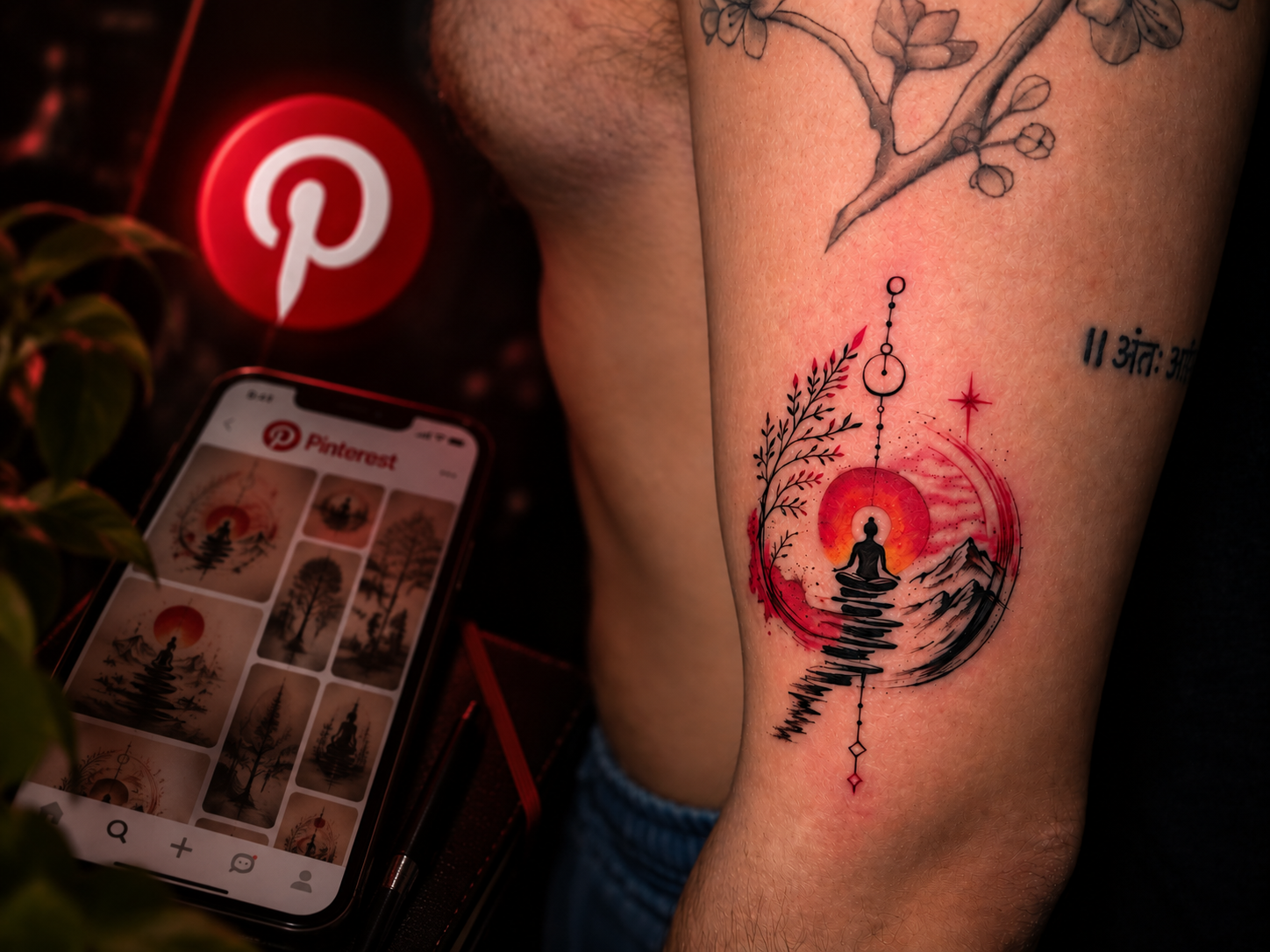
You found the perfect tattoo on Instagram. You saved it, cropped it, zoomed in, and you're ready to show it to your artist. But there's one problem: the tattoo you love was designed for someone else's body, story, proportions, and skin. The best reference isn't the one your artist can copy most accurately; it's the one that helps them understand what you actually want. In the world of professional tattooing, there is a fundamental difference between "reference" and "template." When you walk into a studio, your goal is to walk out with a piece of art that fits you—not a photocopy of someone else's experience. This guide breaks down how to bridge the gap between your vision and your artist's craft, ensuring you get the best possible tattoo for your body.
Why Your Favourite Reference Shouldn't Become Your Exact Tattoo
Copying a tattoo directly from an image is often a recipe for disappointment. A tattoo that looks stunning on a model's forearm might look distorted or cluttered on your bicep because the underlying muscle structure and bone anchors are different. Furthermore, tattoos age. A design that relies on extremely fine lines or tight clustering might look great today, but could blur into an illegible shape in a few years. When an artist "copies" a reference, they are often forced to disregard the unique flow of your specific anatomy, leading to a tattoo that sits "on top" of your body rather than working with it.
What You Should Actually Tell Your Tattoo Artist
Instead of saying, "I want this exact image," start by treating the image as a conversation starter. Tell your artist, "I love the energy of this piece, but I want something custom for my own placement." The goal is to provide the artist with the "vibe" or the "technical requirement" rather than the final blueprint. Your artist is an expert in how ink behaves in skin; give them the context of your story, and let them use their training to design the execution.
Explain What You Like About the Reference
Be specific. Do you love the bold line weight? The specific shading technique? Is it the placement, or the subject matter itself? If you provide a reference, break it down: "I love the way the smoke flows in this design, but the central character doesn't resonate with me." This helps your artist identify the elements worth keeping and the ones that need to be rebuilt from scratch.
Tell Your Artist What You Don't Like
Knowing what you dislike is just as important as knowing what you love. If a reference has a great composition but the linework feels too "sketchy," tell your artist that. Clear negative feedback prevents your artist from wasting time on design directions that don't align with your taste.
Your Body Changes the Design
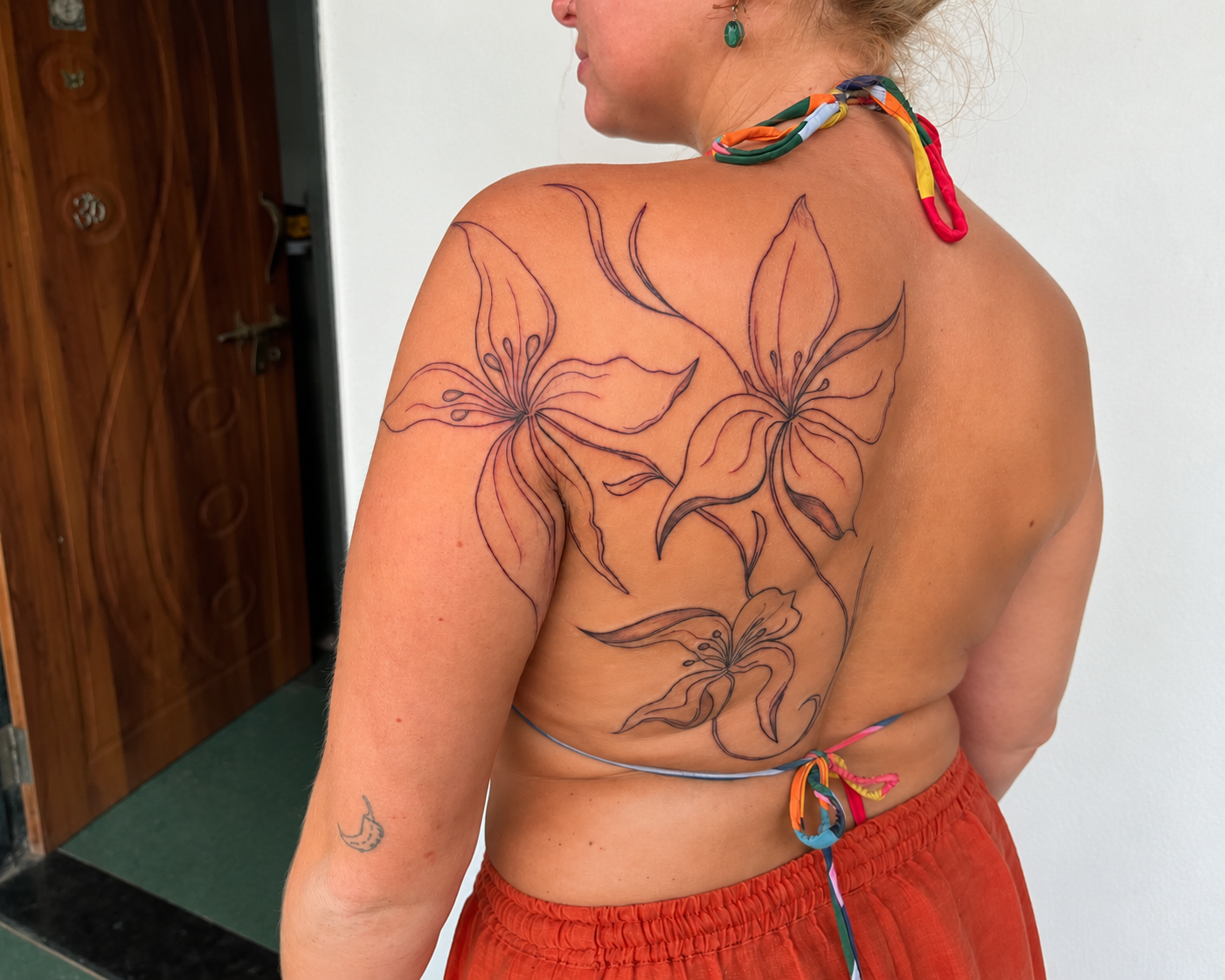
The human body is a three-dimensional landscape, not a flat piece of paper. When you wrap a design around an arm, a leg, or a ribcage, it moves and stretches. An artist needs to consider your anatomy—your joints, your muscle groups, and how your skin moves—when placing a design. A rigid design that works on a flat screen will often look "broken" when applied to a curved limb unless the design is specifically adapted by an artist who understands flow.
Placement and Scale Matter More Than You Think
A small, intricate design will not hold detail as well as a larger version of the same design. If you want a portrait or a highly detailed geometric piece, the size is non-negotiable. If you try to force a complex design into a space that is too small, you compromise the longevity of the tattoo. Trust your artist when they tell you a design needs to be a certain size to remain readable for years to come.
Give Your Artist the Right Amount of Creative Freedom
The best tattoos are a collaboration. If you have a strict idea, bring it to the table, but leave room for your artist to apply their professional judgment. When you give an artist creative freedom, you are essentially saying, "I trust you to make this look as good as possible on my body." This allows the artist to focus on composition, flow, and technical longevity, which invariably results in a higher-quality outcome.
How to Build a Useful Tattoo Reference Brief
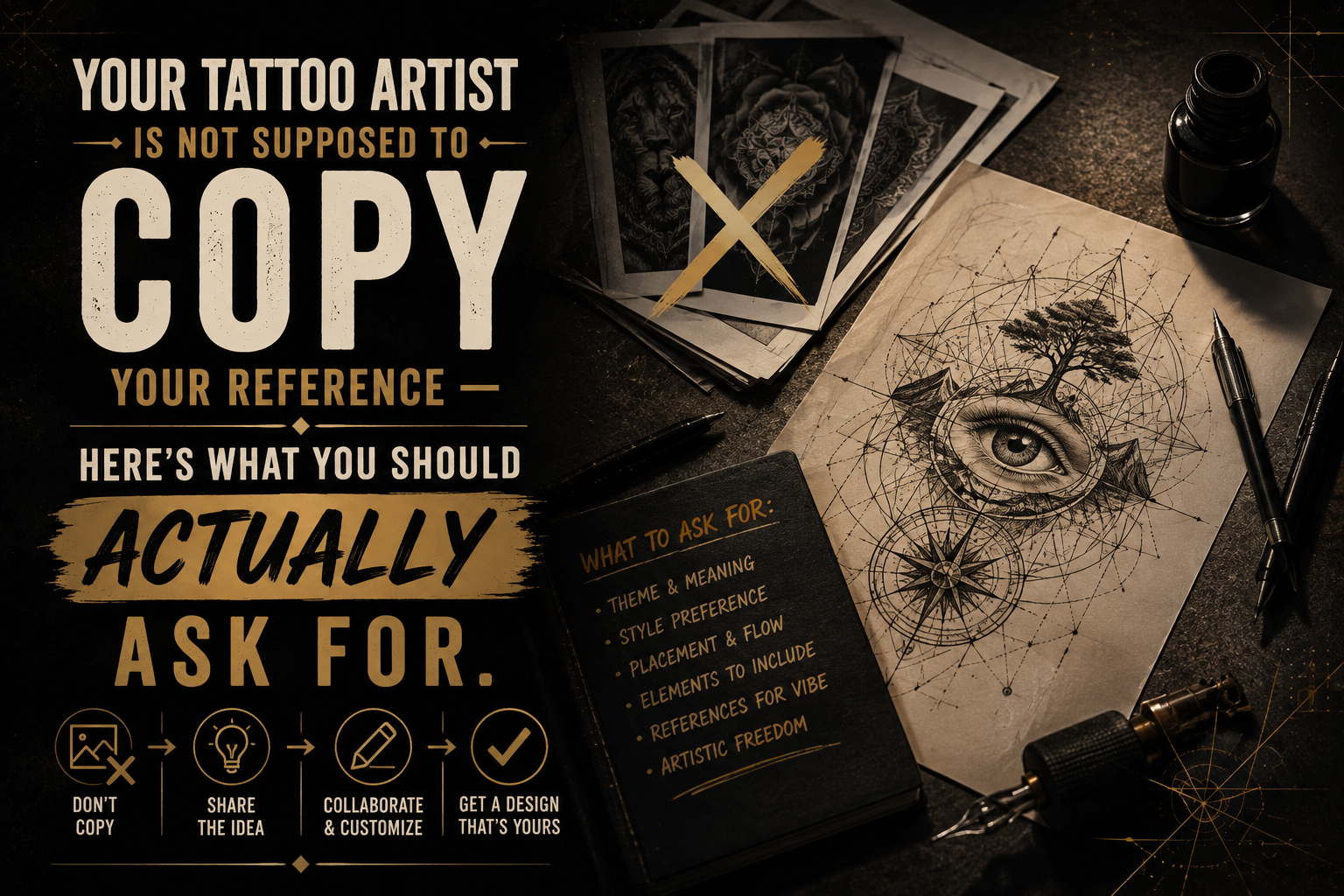
Before your consultation, prepare a "brief" rather than just a folder of photos. Include: 1. A clear photo of the area of your body where you want the tattoo. 2. 2-3 reference images, with specific notes on what you like/dislike in each. 3. A brief description of the mood (e.g., dark, minimal, organic, aggressive). 4. Your "must-have" elements versus your "nice-to-have" elements. Having this ready shows your artist that you are serious and helps them hit the mark on the first design attempt.
GBP DESCRIPTION
Planning your next tattoo? Stop searching for designs to copy and start building a better vision. Learn how to provide the right references to your tattoo artist to ensure a custom, professional, and long-lasting result. Read our latest guide on the Inkspace blog.
Related reading
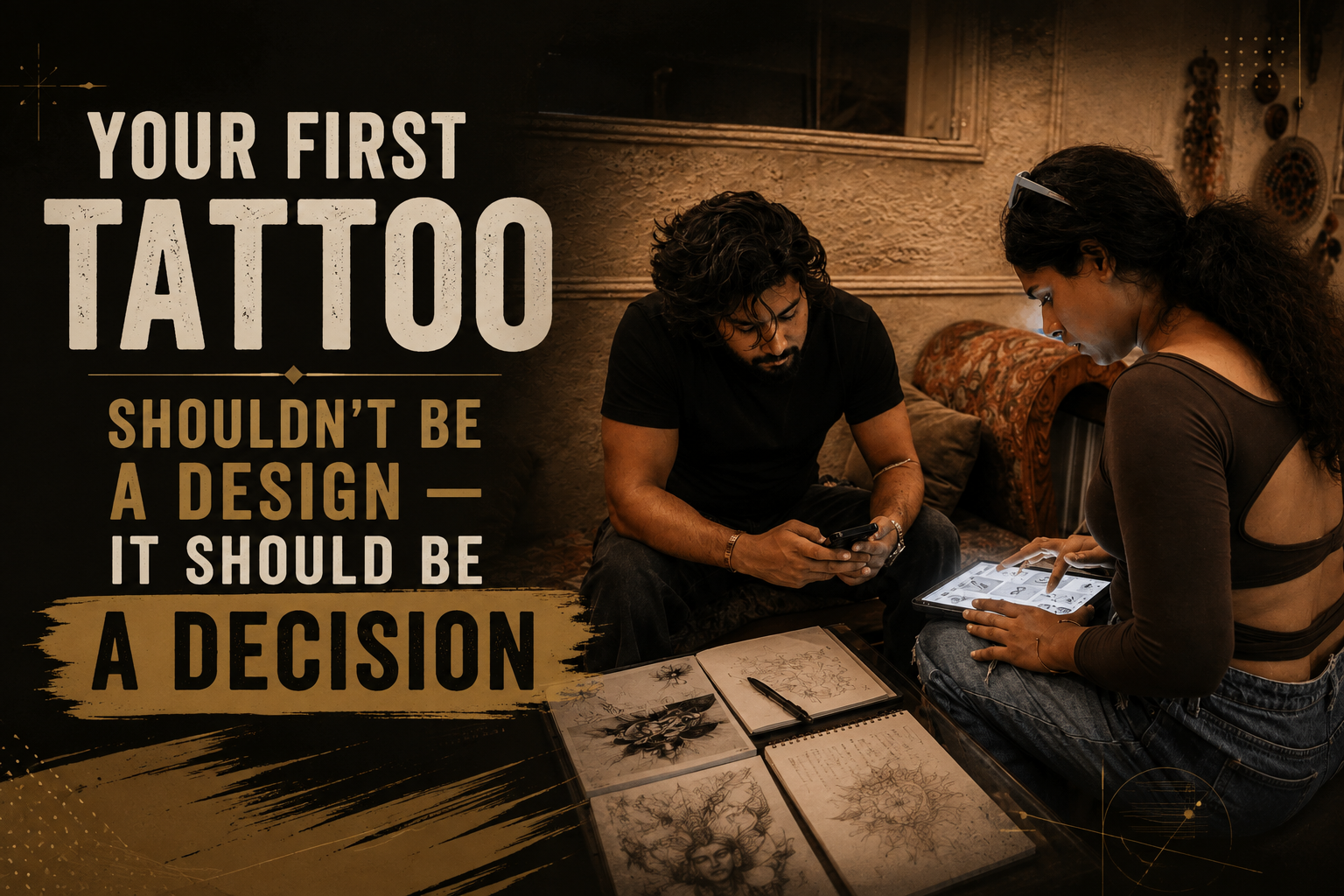
- Your First Tattoo Shouldn’t Be a Design — It Should Be a Decision
- Your Tattoo Artist Is Not a Mind Reader — Here's How to Explain What You Actually Want
Final Takeaway
Your tattoo is a permanent piece of art that lives on your skin. By treating your reference as inspiration rather than a blueprint, you shift your role from a consumer to a collaborator. Trust your artist to adapt your vision to your unique anatomy, and you will walk away with a piece that feels uniquely yours—not just a copy of someone else’s.
Artist Advice
Artist perspective:
When a client brings me a reference, I don't look for what I can trace. I look for the underlying logic—the balance of black and grey, the line weight, and the way the design fills the space. A professional artist's job isn't to be a photocopier; it's to be a translator. My goal is to translate your idea into a design that will not only look great the day it heals but will stay clear and bold for the rest of your life.
Frequently Asked Questions
Should I bring multiple reference photos?
Yes, absolutely. Multiple references help your artist identify patterns in what you like. Just be sure to tell them which part of each photo you prefer so they aren't left guessing.
Is it rude to ask an artist to change a design I don't like?
Not at all. It is much better to communicate your concerns during the design process than to be unhappy with the finished tattoo. A good artist will appreciate the clear feedback.
Can I ask for a tattoo that is "exactly like this" photo?
You can ask, but a professional artist will usually advise against a direct copy for both aesthetic and ethical reasons. Instead, ask for a design "in the same style" or "with similar elements."
How much creative input should I give?
Give as much information as possible regarding the subject, mood, and placement, then allow the artist the professional freedom to figure out the composition and technical execution. The best tattoos happen when your vision meets their experience.