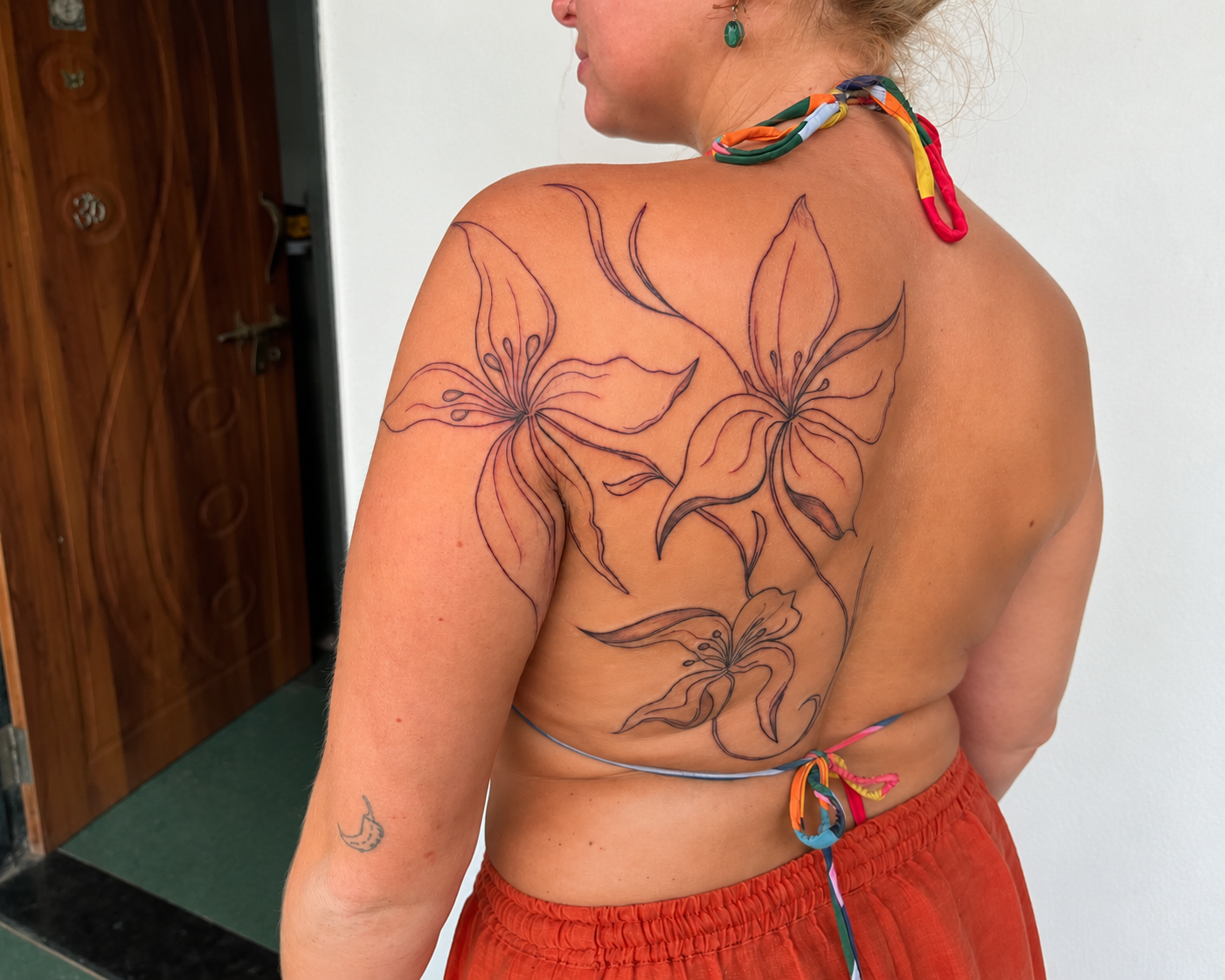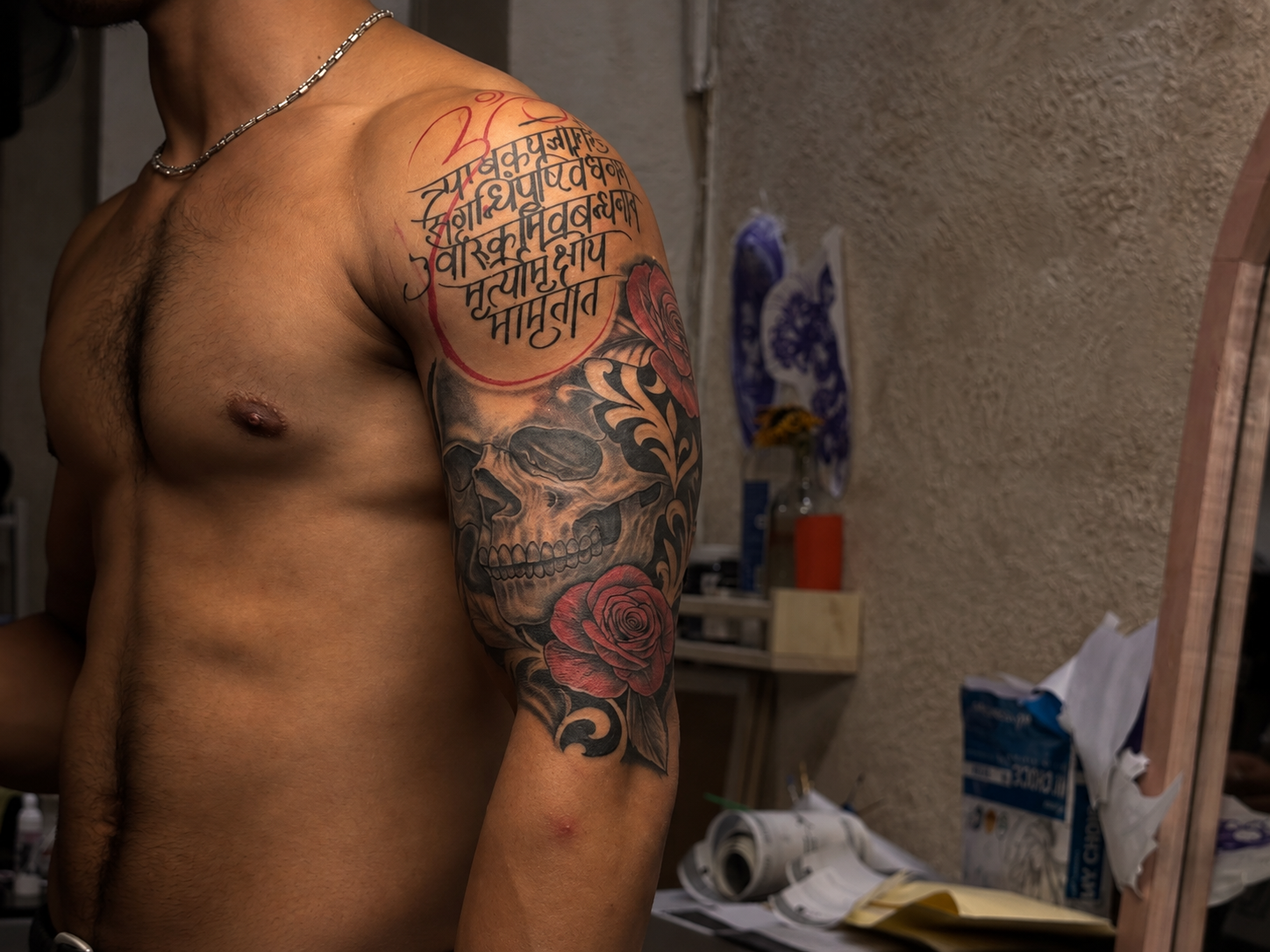
You can get so used to seeing your own body that you stop really looking at it. A shoulder becomes just a shoulder. A forearm becomes the place where you check the time. Then one day, a new image is there. A tattoo can change that relationship in a surprisingly simple way. You may catch your reflection and notice a part of yourself differently. You may become more aware of the shape of your arm, the movement of your shoulder or the way a design follows your body. Sometimes the change is aesthetic. Sometimes it feels more personal. But does getting tattooed actually change how you see yourself? There is some evidence that it can. Research following people around their first tattoo has found short-term changes in appearance-related attitudes, including greater body appreciation and self-esteem in the group studied. Other research has linked tattooing with uniqueness, identity and the way people mentally experience their bodies. But those findings do not mean a tattoo is a guaranteed confidence boost, or that everyone will feel better after getting one. The more interesting question is what happens when you stop thinking of a tattoo as something placed on your body and start thinking of it as something that becomes part of the way you experience yourself.
A tattoo can turn a familiar part of your body into something you notice again
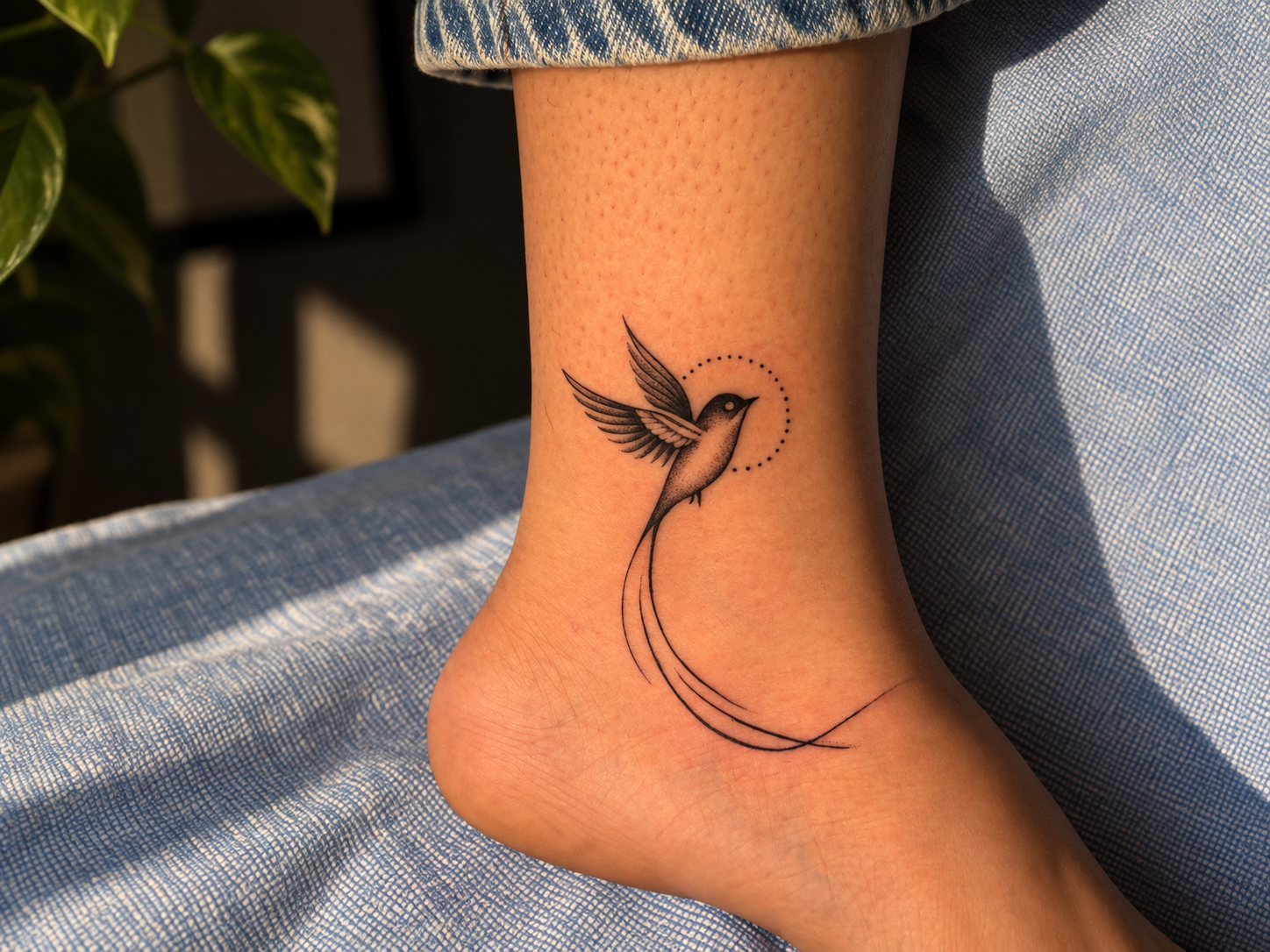
Most of us do not spend much time consciously looking at our own bodies. We see ourselves in fragments: a hand reaching for a door, a reflection in a shop window, a shoulder in the mirror while getting dressed. A tattoo can interrupt that familiarity. Imagine someone who has always thought of their forearm as unremarkable. They choose a fine-line botanical piece that follows the natural length of the arm. Once it is healed, the arm has not physically changed in any dramatic way, but the person may start noticing its shape differently. The artwork gives the eye somewhere to go. That can be part of the appeal of body art. The tattoo is not simply an image sitting on skin. It interacts with the body underneath it. Placement, scale and composition therefore matter emotionally as well as visually. A design that feels right on the shoulder may feel completely different on the ribs. A small piece can make a particular area feel intentional without dominating it. A larger composition can make the movement of a limb part of the artwork. This is one reason a good tattoo should be designed for the body rather than treated as a picture that happens to be printed onto it.
Sometimes the change is less about confidence and more about recognition
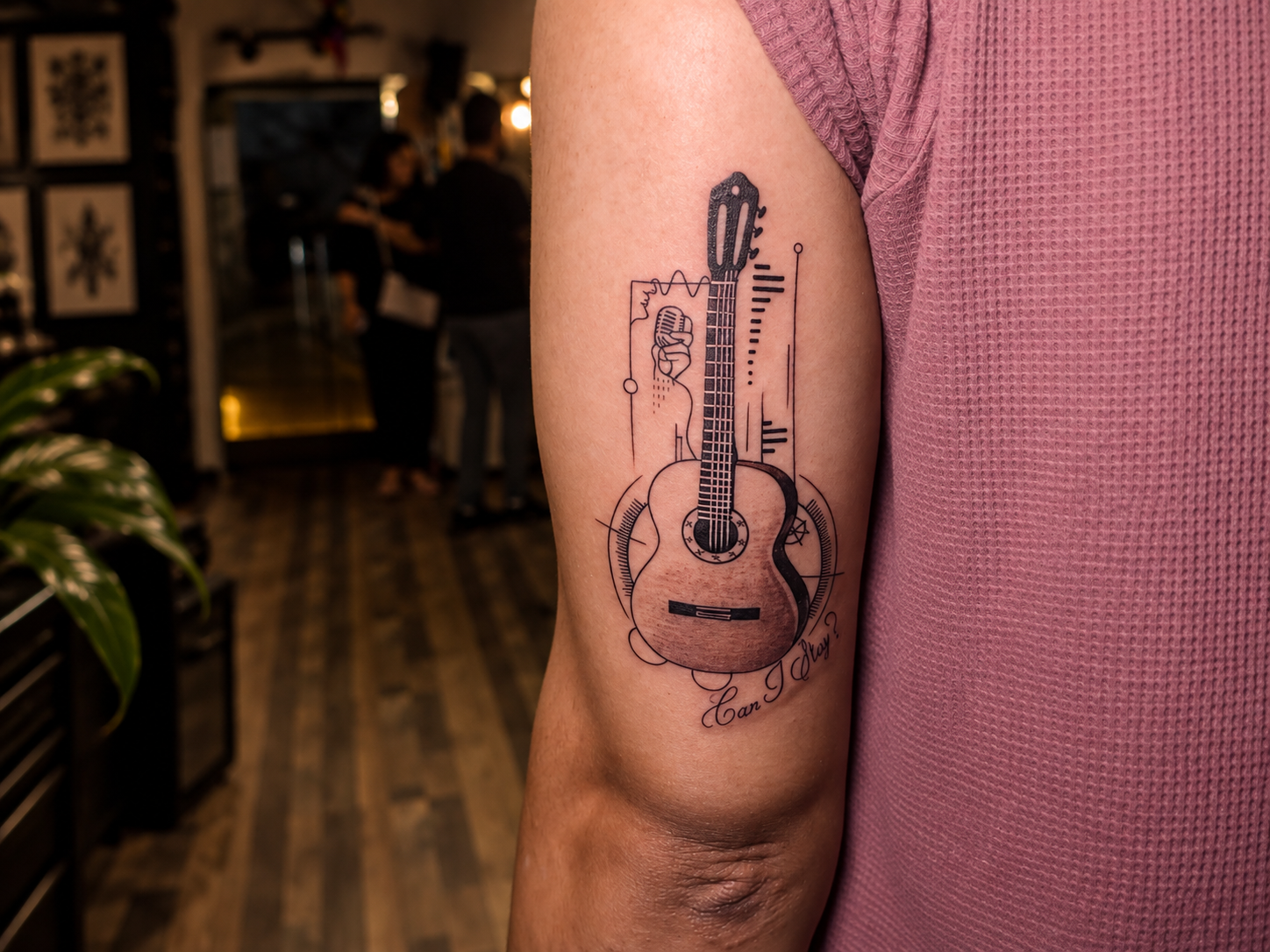
“Confidence” is an easy word to use when talking about tattoos, but it can be too broad. For some people, the change may be closer to recognition: the tattoo makes their external appearance feel more connected to the person they believe themselves to be. A quiet person may choose something visually bold. Someone drawn to delicate artwork may finally have a design that feels like their taste made visible. Someone who has always collected images, photographs or sketches may begin to see their skin as another place where their visual identity can exist. Research on tattooing has explored this relationship between body modification and uniqueness. Studies have found links between tattooing and a desire to express distinctiveness through appearance. That does not mean every tattoo is an attempt to stand out. It means that for some people, changing the visible body can become part of expressing who they are. A tattoo does not have to make you feel more attractive to change how you see yourself. It may simply make your appearance feel more like yours. There is a difference between “I look better now” and “I recognise myself more now.” For some tattoo wearers, the second feeling may be the more important one.
The artwork can become part of your identity without becoming your whole identity
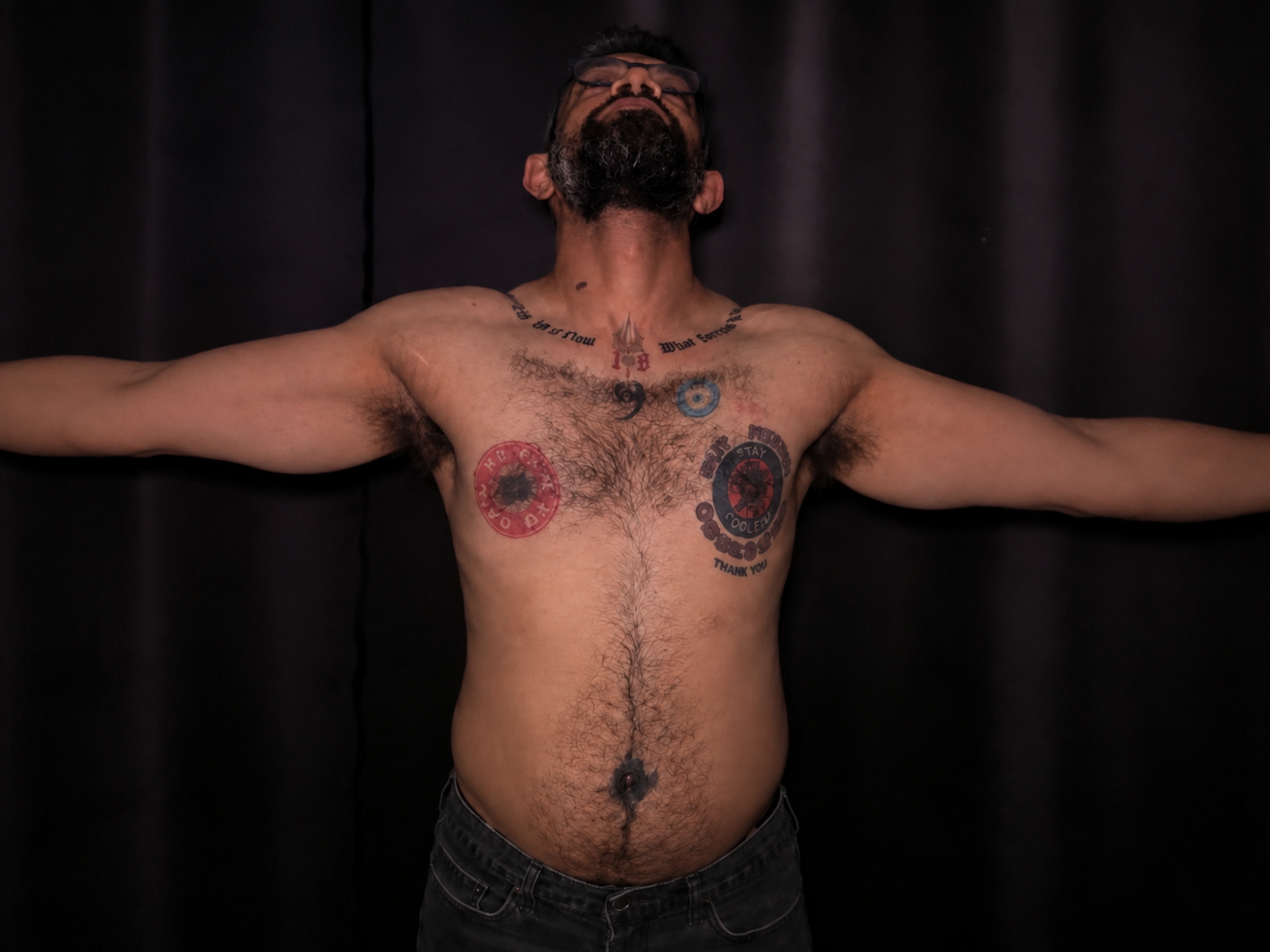
There is a point at which a tattoo stops feeling like a new object and starts feeling like part of the person wearing it. Think about a favourite jacket that has become associated with you, a ring you rarely take off, or a hairstyle you have had for years. None defines your entire identity, but each can become woven into the way you present yourself and recognise yourself. Tattoos can work in a similar way. A design may represent a relationship, a place, a period of growth or simply a visual language you have always liked. Over time, you may stop thinking about the original decision every time you see it. It becomes part of the normal picture. That can also explain why tattoos sometimes feel different as people change. A tattoo chosen at twenty-five does not have to mean exactly the same thing at thirty-five. You are allowed to outgrow the story attached to an image without needing to regret the image itself. The tattoo records something about a version of you, but it does not freeze the rest of your life. You do not need to find a symbol capable of representing your entire personality forever. You need artwork you can comfortably live with and, ideally, a design that leaves enough room for your identity to keep developing.
A tattoo can change where your attention goes
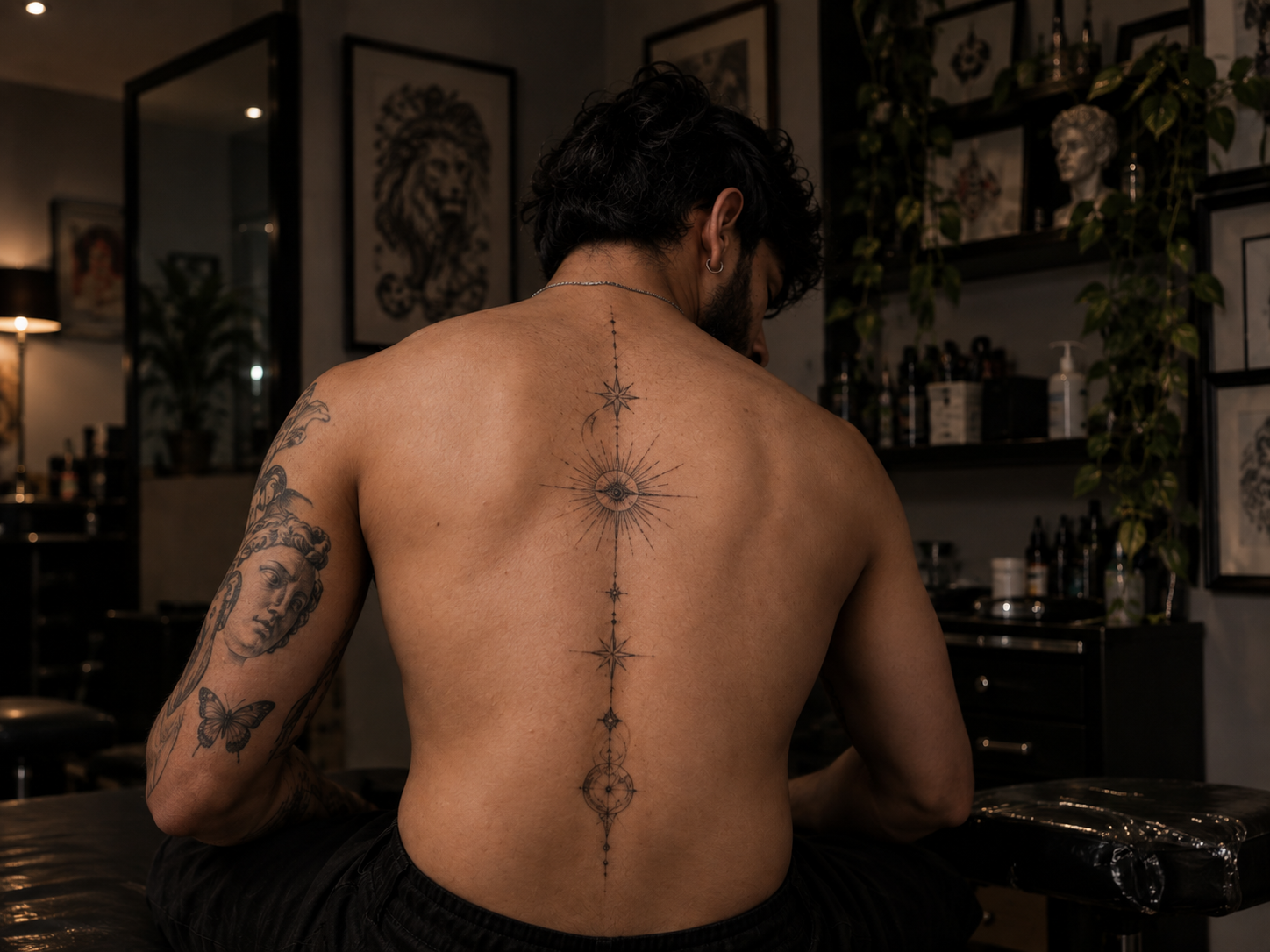
Some people choose tattoos because they want to draw attention toward an area they like, create visual balance, or make a part of their body feel more intentional. Others may find that artwork gives them a new way of looking at an area they previously focused on critically. Recent qualitative research involving people with lived experience of eating-disorder recovery has described tattooing as a possible way of experiencing embodiment, empowerment and a more positive relationship with the body. That research is specific to its participants and should not be turned into a universal claim about tattoos. It does, however, show why the emotional experience of tattooing can be more complicated than decoration. There is also evidence that some people interested in tattoos report using them to shift attention away from aspects of their appearance they are uncomfortable with. But a tattoo should not be treated as a guaranteed solution for deep body dissatisfaction or a substitute for appropriate mental-health support. A healthier starting point is often: “I want to add something to my body that feels like me,” rather than “I need this tattoo to fix how I feel about my body.”
The way you choose the tattoo can affect the way you feel about the result
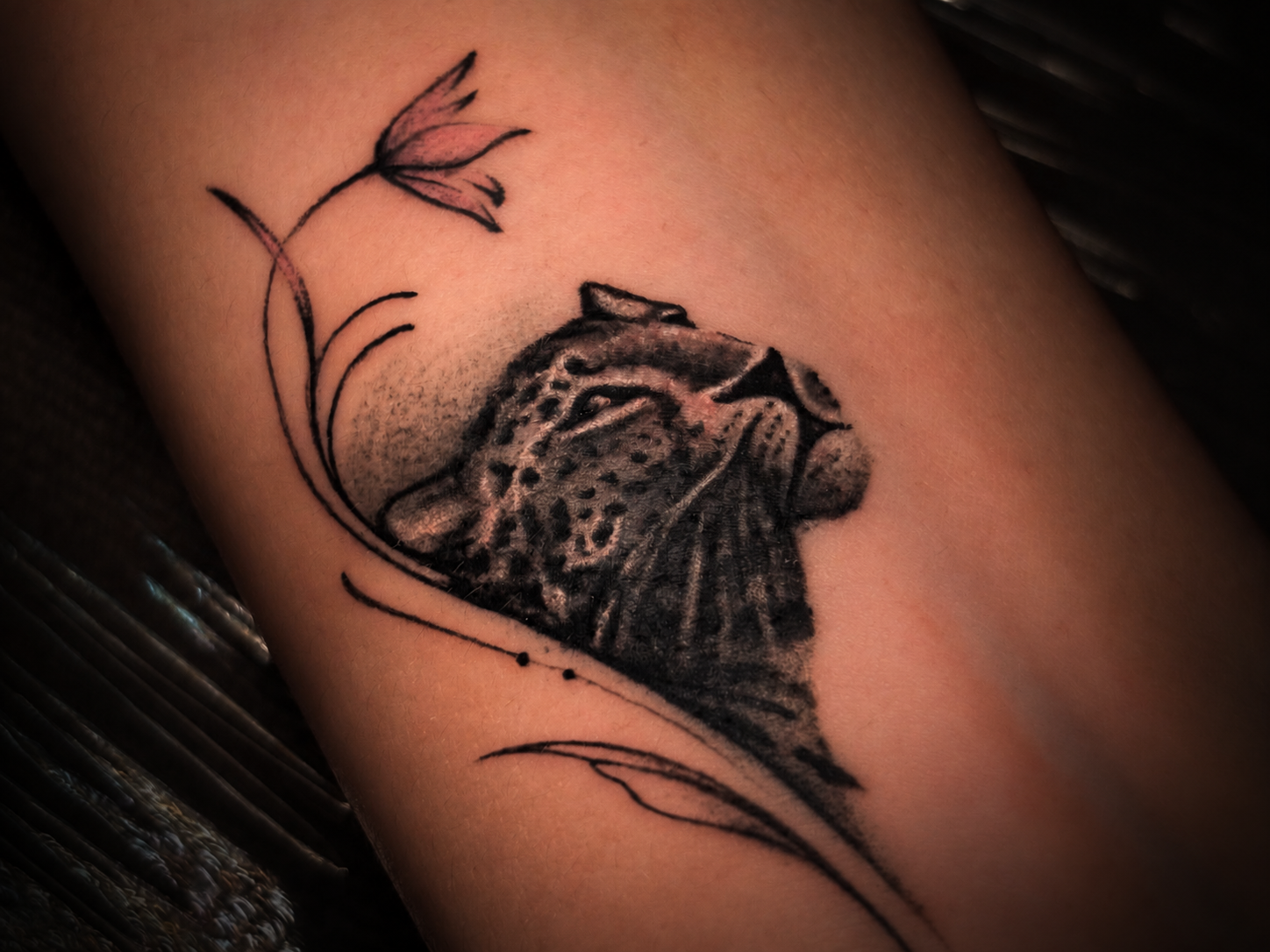
The emotional impact of a tattoo is not separate from the quality of the tattoo itself. If you have a design that feels personal but the proportions are wrong for the placement, you may notice the mismatch every time you see it. If the tattoo is technically strong but does not resemble the style you actually wanted, the permanence can make that disappointment harder to ignore. This is why consultation matters. Before tattooing, think beyond the reference image. Ask yourself what exactly attracts you to it. Is it the subject? The linework? The amount of negative space? The softness? The contrast? The way the design sits on the body? The mood? Then consider whether those qualities can be translated into the size and placement you have chosen. A tattoo artist may suggest changing proportions, simplifying detail or adjusting the composition. That is not necessarily the artist moving away from your idea. It can be the process of making the idea work as a tattoo. This is particularly important with detailed fine-line or realism references. An image can look beautiful on a bright screen because every tiny detail is visible. Skin is three-dimensional and the tattoo has to remain readable at its actual size. When the finished work feels deliberately designed for you rather than copied from somewhere else, it can strengthen the feeling that the tattoo belongs to you.
What you see in the mirror is not the same as what everyone else sees
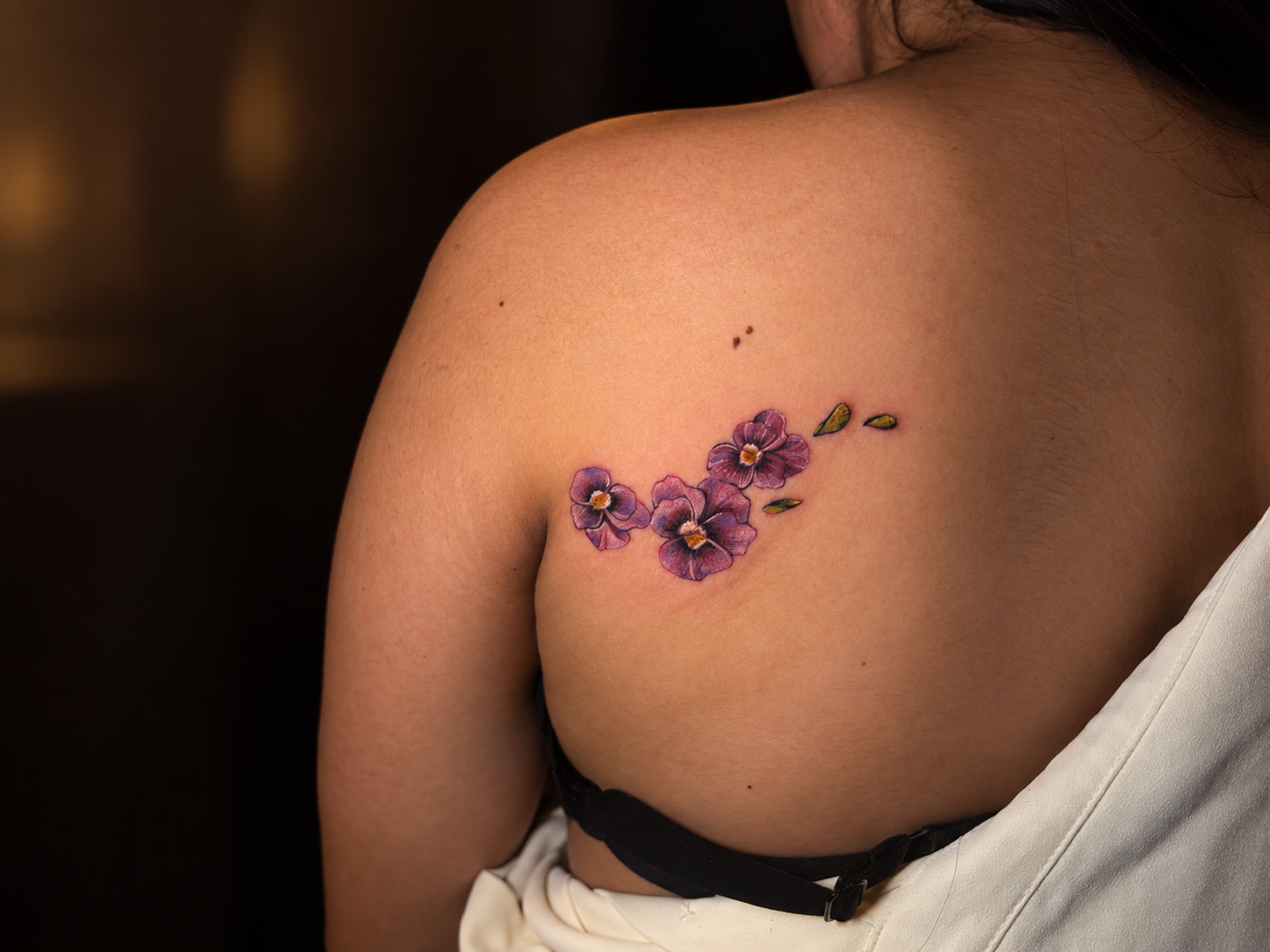
Other people may see a tattoo once. You see it when you wake up, while getting dressed, in changing light, in photographs and sometimes only as a glimpse from the corner of your eye. That repeated private exposure can make the tattoo part of your self-image in a way a stranger cannot fully understand. Social reactions are not the whole story. A compliment can feel good, but a tattoo does not have to receive universal approval to become meaningful to its wearer. Tattoos can challenge the idea that there is one correct way a body should look. A person may choose an unusual subject, a highly visible placement or a style that is intentionally bold. The point is not necessarily to reject appearance standards altogether. It can simply be to participate in deciding what their own appearance means to them. In that sense, tattooing can be a form of visual authorship. You are not only being looked at. You are making a deliberate choice about part of what is there to be seen.
A tattoo cannot guarantee a better relationship with your body
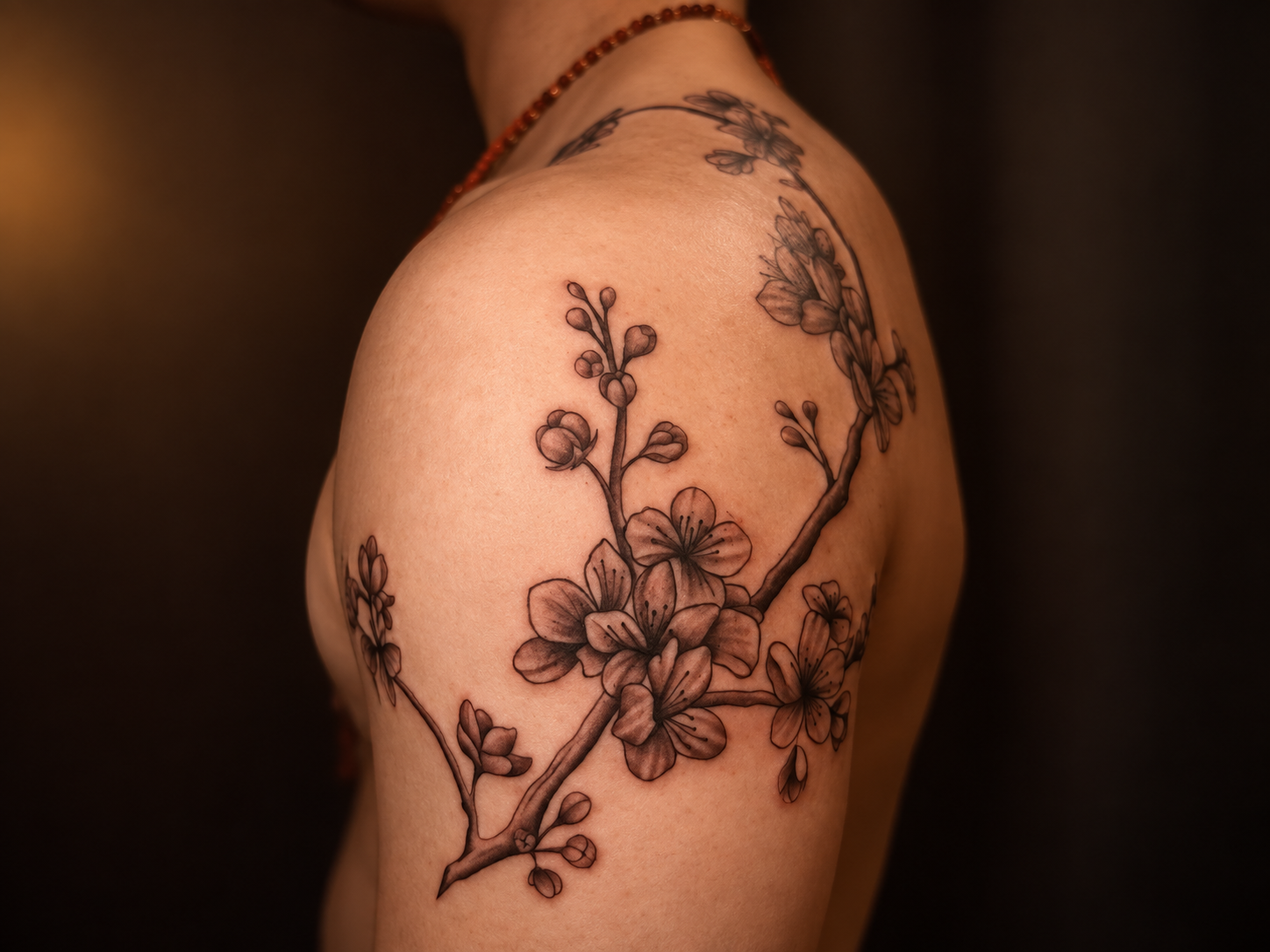
This is where the answer needs some restraint. The evidence does not support the idea that tattoos automatically increase self-esteem or body satisfaction for everyone. Research is mixed, and some studies have found different relationships between tattooing, body image and self-esteem depending on the group being studied. One prospective study followed 82 British residents getting their first tattoo and measured several body-related attitudes before, immediately after and three weeks later. The researchers found improvements in several measures, but also differences between men and women and a decline in satisfaction with the new tattoo over the three-week period. That is a useful reminder: human reactions are rarely as simple as “tattoo equals confidence.” You can love your tattoo and still have insecure days. You can feel more connected to your appearance without suddenly loving every part of your body. You can also get a tattoo for purely aesthetic reasons and experience no major psychological transformation at all. The healthiest expectation is not that the tattoo will repair your relationship with yourself. It is that the artwork can become one part of that relationship—sometimes a meaningful part, sometimes a beautiful part, and sometimes simply something you enjoy seeing there.
The best tattoo may be the one that makes your body feel more like your own
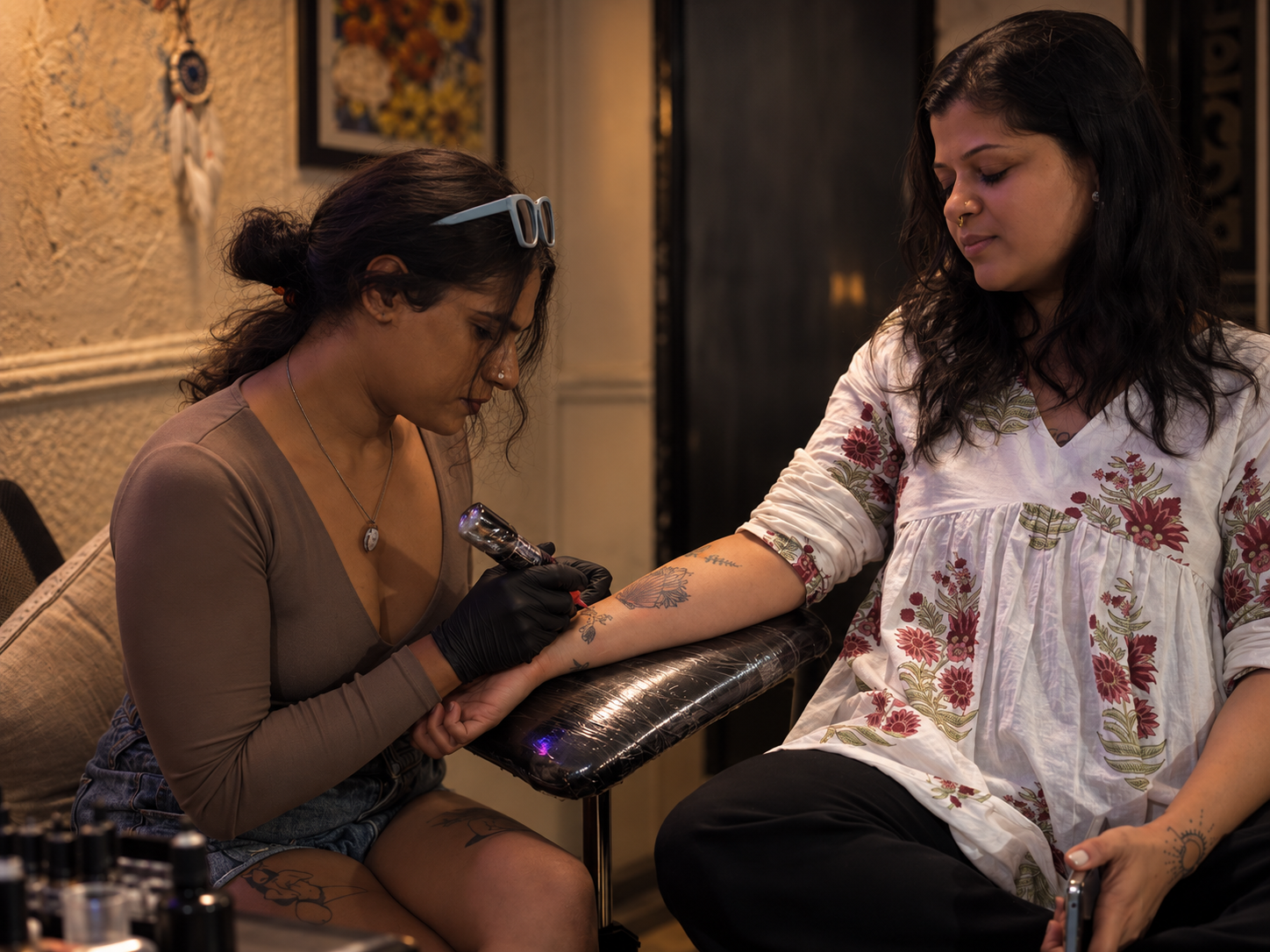
So, can a tattoo change the way you see yourself? Yes, it can. But the change is not one-size-fits-all. For one person, it might be the confidence of finally wearing something they have wanted for years. For another, it might be the feeling that a scarred or overlooked area has become part of an intentional composition. Someone else may simply look down at a piece of artwork and think, “That feels like me.” Sometimes the change is quieter. You notice your body more. You become more comfortable with a particular feature. You stop seeing your skin as something that merely carries you around and start seeing it as a surface you can participate in designing. That does not make tattooing therapy, and it does not make every tattoo psychologically significant. It simply recognises something tattoo artists see every day: the artwork and the person are not separate. The strongest decisions usually begin with curiosity rather than pressure. You do not need to tattoo over an insecurity. You do not need to prove confidence. You do not need to find an image that explains your entire identity. You can choose something because it reflects you, because it marks a moment, because you love the visual language, or because you want to see your own body differently. Sometimes changing the picture changes the way you look at the picture. And sometimes, unexpectedly, it changes the way you look at yourself.
Related reading
- Does a Tattoo Really Need to Have Meaning? Or Is Loving
- How to Choose Your First Tattoo? A Guide for Flash Tattoo Day Enthusiasts
- Your Tattoo Artist Is Not Supposed to Copy Your Reference — Here's What You Should Actually Ask For
- Your First Tattoo Shouldn’t Be a Design — It Should Be a Decision
Final Takeaway
A tattoo can change the way you see yourself, but there is no single emotional outcome that every tattoo wearer should expect. For some people, artwork becomes a way of recognising themselves more clearly. For others, it can make a familiar part of the body feel newly visible, intentional or personal. Research suggests that tattooing can be associated with changes in body appreciation, self-esteem and perceived uniqueness, but those findings are not universal and should not be treated as a promise. The most useful approach is simpler: choose a tattoo because you want the artwork and the decision to live with it—not because you are demanding that it fix the way you feel about yourself. A good tattoo can become part of your identity without having to carry your entire identity. Sometimes it does not change who you are. It simply changes what you notice when you look at yourself.
Artist Advice
Professional advice: when a client tells an artist that they want a tattoo because they want to feel differently about a part of their body, the conversation should begin with the artwork rather than a promise about confidence. Look at what the client is drawn to, how the design can follow the body’s anatomy, what scale will preserve the intended detail, and how the placement will feel in everyday life. It is also worth separating two goals: adding something you genuinely want from trying to correct something you believe is wrong with your body. A tattoo can be empowering and deeply personal, but it cannot guarantee a permanent solution to body dissatisfaction. From a tattooing perspective, the best outcome is often a design that feels intentionally chosen rather than emotionally forced. When the artwork, placement and execution all make sense together, the tattoo has a better chance of becoming something the wearer recognises as part of themselves.
Frequently Asked Questions
Can a tattoo really change how you see your body?
It can. Some research has found changes in body appreciation, appearance-related attitudes and self-esteem after tattooing, while other research shows that the relationship between tattoos, body image and self-esteem is more complicated. A tattoo may change how you notice or relate to a part of your body without automatically making you feel better about everything.
Can getting a tattoo make you more confident?
It may contribute to confidence for some people, particularly when the tattoo feels like an authentic expression of identity or gives them a stronger sense of ownership over their appearance. It is not guaranteed, however, and a tattoo should not be treated as a universal solution for low self-esteem or body dissatisfaction.
Can a tattoo help me feel better about a part of my body I dislike?
It can change where your attention goes and may help some people experience an area of their body differently. But it is better to think of the tattoo as something you are adding because you genuinely want it, rather than as something that must fix an insecurity. If body dissatisfaction is severe or distressing, professional support may be more appropriate than relying on a tattoo to solve it.
Should I choose a tattoo based on how I want to feel in the future?
Future feelings are worth considering, but you cannot predict exactly how your identity will change. Focus on choosing artwork, placement and scale that you genuinely like now and can imagine living with. A good tattoo can remain part of your story even if the meaning you attach to it changes over time.